
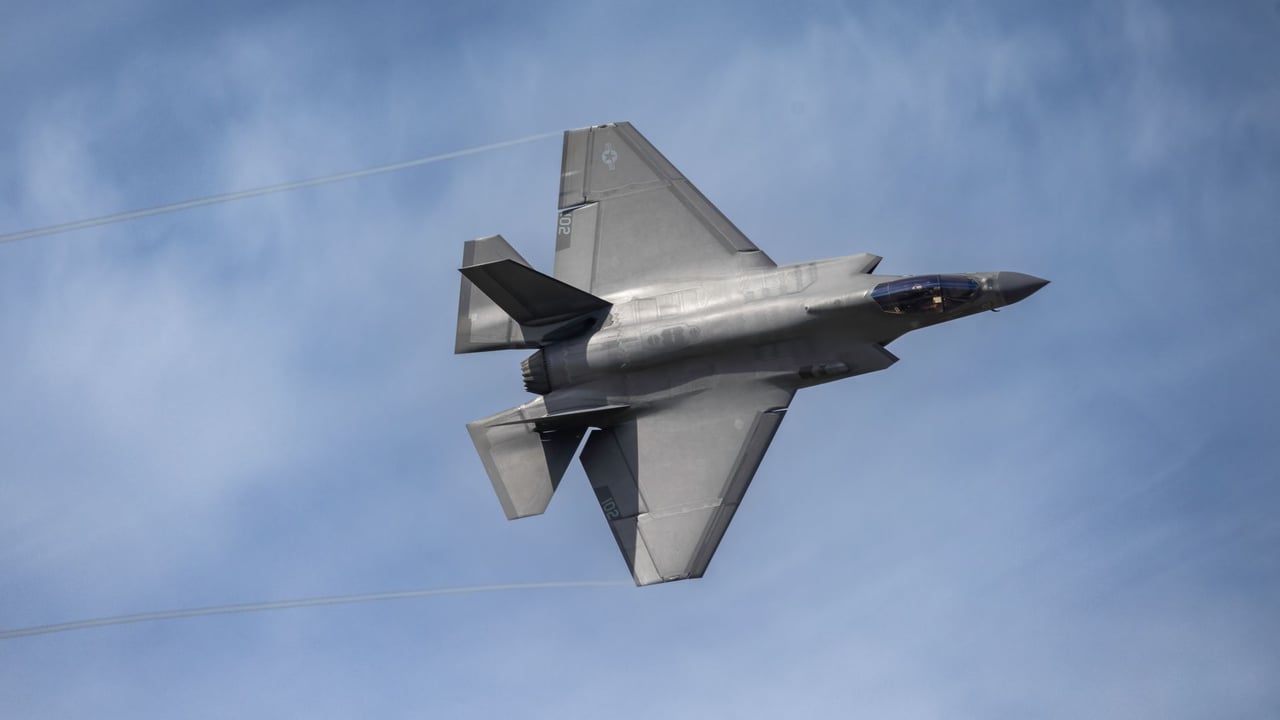

On June 5, the aerospace world witnessed a quiet revolution as the X-59 experimental aircraft successfully completed its first supersonic flight. Developed through a high-stakes partnership between NASA and Lockheed Martin’s legendary Skunk Works, the aircraft represents the most significant attempt to solve the 'sonic boom' paradox in half a century. By achieving speeds faster than sound without the window-rattling thunder typical of supersonic jets, the X-59 is designed to prove that high-speed travel and residential peace are no longer mutually exclusive.
The historical significance of this flight cannot be overstated. Since 1973, the Federal Aviation Administration has prohibited commercial supersonic flight over land due to the disruptive nature of sonic booms, a regulation that effectively doomed the Concorde to trans-oceanic routes and ultimately led to its retirement. The X-59’s unique, elongated geometry is engineered to prevent shockwaves from coalescing, transforming the traditional explosive boom into a dull 'thump' comparable to a car door closing nearby.
This successful flight serves as a critical validation of the Quiet SuperSonic Technology (QueSST) mission. Engineers have spent years fine-tuning the aerodynamic profile of the aircraft, which features a 30-foot long nose that prevents the pilot from having a forward-facing window, necessitating an advanced external vision system. This milestone confirms that the physical design can indeed handle the stresses of supersonic speeds while maintaining the specific wave-shaping required for acoustic mitigation.
The next phase of the mission will be the most decisive. Later this year, NASA plans to fly the X-59 over several U.S. communities to gather data on human perception of the sound. This data will be submitted to international regulators in hopes of overturning current bans on overland supersonic flight. If successful, the X-59 will provide the regulatory and technological blueprint for a new generation of commercial aircraft that could cut cross-country travel times in half.
While military aviation has long enjoyed supersonic capabilities, the civilian sector has remained stagnant at subsonic speeds for decades. The X-59 is not intended to be a commercial prototype itself, but rather a proof of concept to catalyze private investment in the sector. As global competition for aerospace dominance intensifies, the United States is betting that acoustic innovation, rather than raw speed alone, will be the key to reclaiming leadership in the next era of aviation.