
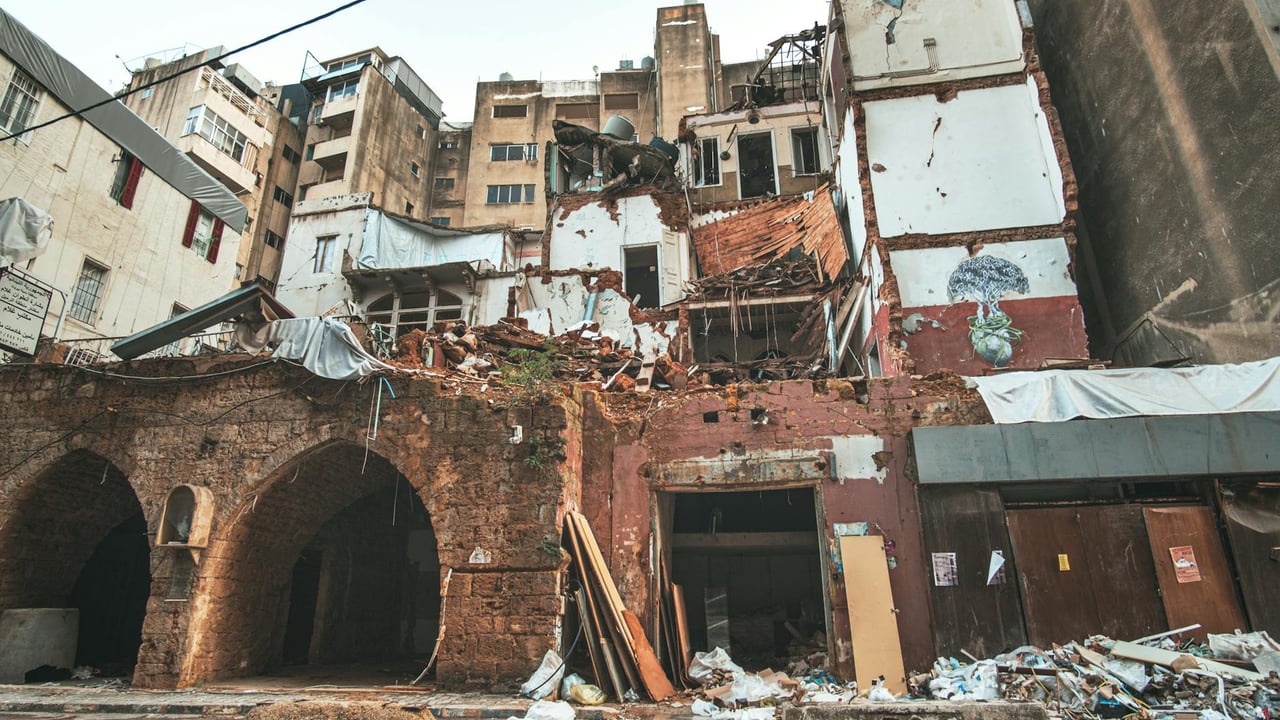

Despite a high-stakes diplomatic intervention by the United States, the border between Israel and Lebanon remains a theater of escalating violence. On June 4, Israeli airstrikes pounded the Beqaa Valley and southern Lebanon, claiming at least nine lives and wounding dozens. These strikes followed a lethal Hezbollah ambush that killed an Israeli soldier, underscoring the extreme volatility of the current security landscape.
The human cost of this renewed campaign, which flared up in March 2026, has reached staggering proportions. Data from the Lebanese Ministry of Health indicates that over 3,500 people have been killed and nearly 11,000 wounded in just over three months. This level of attrition suggests that the conflict has evolved far beyond the localized skirmishes of previous years into a systemic regional war.
A joint statement released by Lebanon, Israel, and the United States on June 3 offered a flicker of hope by outlining a conditional ceasefire. The agreement is predicated on Hezbollah’s total cessation of hostilities and a full withdrawal of its forces north of the Litani River. This geographical buffer is a long-standing Israeli demand, aimed at removing the threat of direct cross-border incursions and short-range rocket fire.
However, the rhetoric from Hezbollah’s leadership suggests that the path to peace is blocked by fundamental ideological differences. Leader Naim Qassem stated that any cessation of hostilities must apply to all of Lebanon and that resistance will persist as long as Israeli "occupation" remains. This stance complicates the implementation of the US-brokered deal, as Hezbollah views its presence in the south as a core tenet of its political and military identity.
As the Israel Defense Forces continue to strike Hezbollah’s infrastructure in response to anti-tank missile attacks, the prospects for the June 3 agreement look increasingly dim. The international community now faces a grim reality where diplomatic signatures carry little weight on a battlefield defined by zero-sum calculations. Without a fundamental shift in the security architecture of the region, the Litani River remains less of a buffer and more of a frontline.