
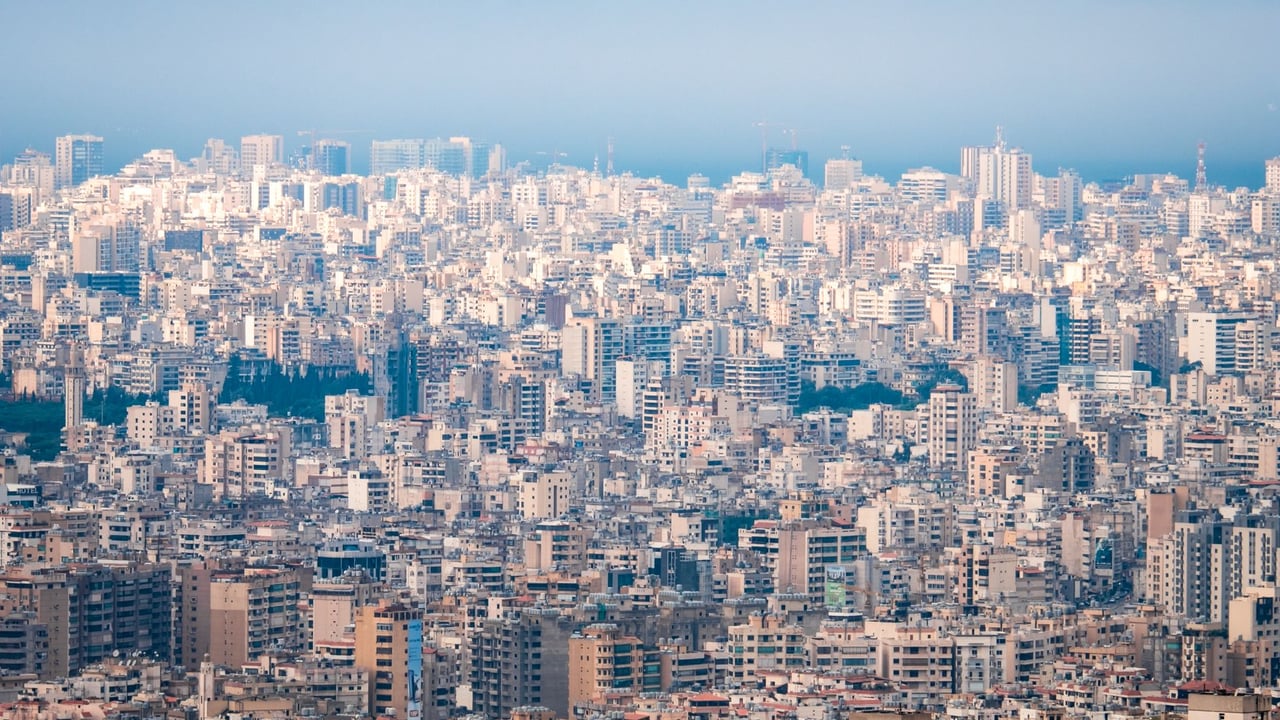

The shadow war between Iran and Israel is threatening to erupt into a direct, state-on-state confrontation as Tehran issues its most explicit warning yet regarding the fate of the Lebanese capital. Iranian Foreign Minister Abbas Araghchi has declared that any continued Israeli aggression against Beirut will be met with direct strikes by Iranian armed forces against targets within Israel. This shift in rhetoric suggests that Tehran is increasingly viewing the conflict in Lebanon not merely as a proxy struggle, but as an existential component of its own national security architecture.
In a series of high-stakes diplomatic maneuvers, Tehran has reportedly utilized backchannels to inform Washington that an assault on Beirut would constitute a total collapse of any existing regional understandings. Araghchi emphasized that Iran will 'never tolerate' such a breach, framing the defense of Lebanon’s capital as a non-negotiable threshold for the Islamic Republic. This message has also been broadcast to regional partners, signaling that Iran is preparing for the possibility of a wider regional war if its red lines are crossed.
While communication lines between Tehran and Washington remain technically open, the diplomatic progress appears to be in a state of paralysis. Araghchi noted that while the two sides are talking, there has been no substantive progress toward a broader settlement. Iran’s conditions for returning to the negotiating table remain firm: the protection of Iranian national interests, an immediate cessation of hostilities in Lebanon, and a comprehensive de-escalation of regional tensions. Tehran believes that recent conflicts have sufficiently demonstrated its 'capabilities and influence' to the Western powers.
Supporting this hardline stance, Mohammad Bagher Ghalibaf, the Speaker of the Iranian Parliament and a key figure in negotiations, echoed these sentiments during a call with Lebanese officials. Ghalibaf warned that if Israeli military operations persist, Iran will not only withdraw from the current negotiation process but will actively 'stand up' to confront Israel. This unified front among Iran’s executive and legislative branches highlights a strategic pivot toward direct deterrence as the efficacy of its regional proxies faces increasing pressure.