
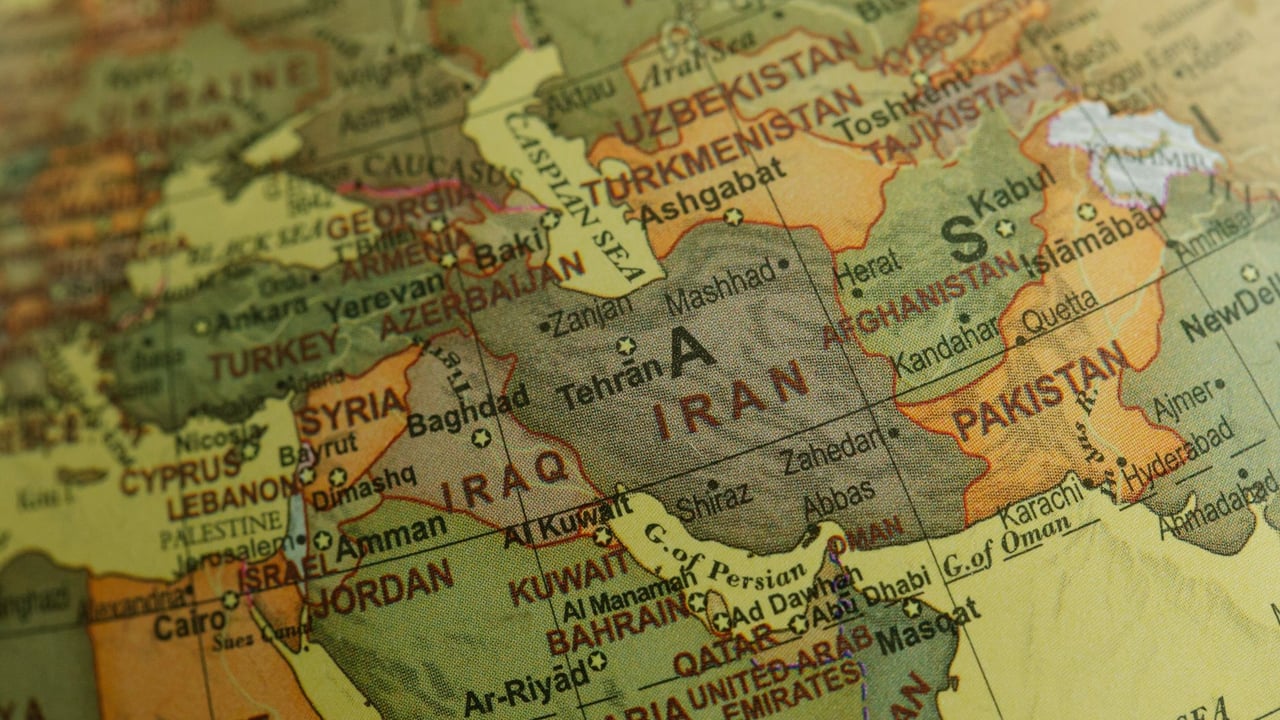

In a bold reconfiguration of Middle Eastern diplomacy, Iran has abruptly suspended indirect negotiations with the United States, citing Israel’s escalating military operations in Lebanon as a deal-breaker. This suspension is not merely a diplomatic protest; it represents a calculated effort by Tehran to transform the diverse conflicts of the 'Resistance Axis' into a singular, unified bargaining chip. By making a Lebanon ceasefire a prerequisite for any bilateral agreement, Iran is attempting to force the White House to exercise leverage over Jerusalem or face the collapse of its regional strategy.
For Tehran, the battlefields of Lebanon, the shipping lanes of the Red Sea, and the strategic bottleneck of the Strait of Hormuz are no longer isolated theaters. This 'integrated chessboard' strategy views Israeli incursions as a direct violation of the implicit good-faith agreements necessary for high-level diplomacy. From the Iranian perspective, if the United States cannot or will not restrain its primary ally, then the diplomatic path forward is functionally dead, prompting a return to more aggressive asymmetric pressure.
The timing of this rift is particularly precarious for the Trump administration, which has signaled a desire to reduce the American strategic footprint in the Middle East through a swift diplomatic settlement with Iran. However, Prime Minister Benjamin Netanyahu’s insistence on neutralizing threats in Beirut directly undermines the foundation of these talks. This has led to rare public friction, with Washington demanding an immediate pullback of Israeli forces to preserve the possibility of a grand bargain that could stabilize energy markets before the upcoming election cycle.
Iran’s ultimate trump card remains its ability to disrupt the global energy supply. By threatening to close the Strait of Hormuz—the transit point for nearly thirty percent of the world’s seaborne oil—Tehran is targeting the global economy’s most sensitive pressure point. The message to Washington is clear: the cost of supporting an unrestricted Israeli campaign in Lebanon may be a catastrophic spike in global oil prices and a total failure of the administration's Middle East policy. This shift effectively marks the end of isolated conflicts, ushering in an era where local skirmishes and global diplomatic milestones are inextricably linked.