
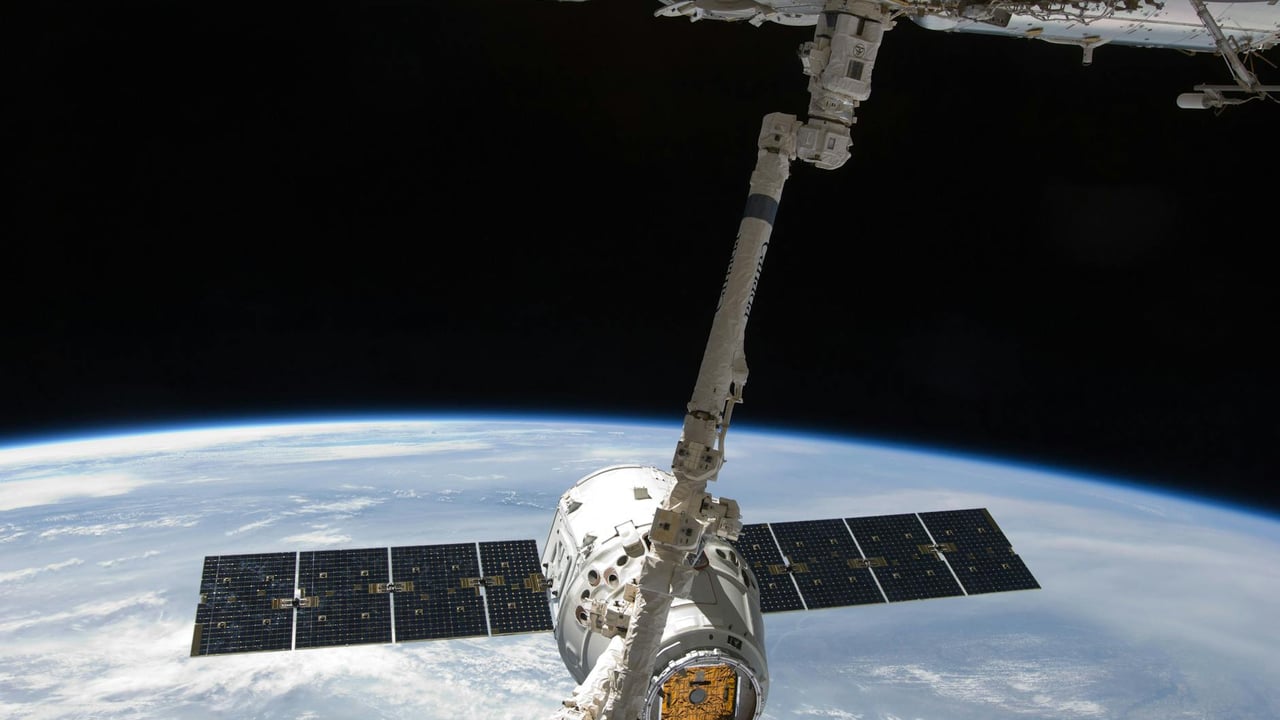

On June 5, the structural fragility of the aging International Space Station (ISS) prompted a brief but calculated safety maneuver. Five astronauts were forced to retreat into a docked SpaceX Dragon spacecraft as a precautionary measure while maintenance crews worked to patch persistent cracks and leaks within the station's Russian-operated segment. This tactical evacuation underscores the increasing operational risks associated with maintaining an orbital laboratory that has now exceeded its original design lifespan.
NASA spokesperson Bethany Stevens confirmed the maneuver, stating that the crew remained in the SpaceX vehicle until the high-risk repair activities were paused. The leaks are primarily located in the transfer tunnel of the Zvezda service module, a component that has been under constant monitoring for several years. While mission control maintains that the crew was never in immediate danger, the decision to use the Dragon as a 'lifeboat' highlights the standard protocol for mitigating pressure-loss risks during invasive hardware maintenance.
This incident is the latest in a series of technical challenges facing the ISS as it enters its third decade of operation. The recurring structural issues within the Russian segment have become a point of quiet friction between NASA and its Russian counterpart, Roscosmos. As the hardware continues to degrade, mission planners are forced to balance the scientific value of the station with the escalating logistical costs and safety requirements of keeping it pressurized.
Despite the heightened geopolitical tensions between Washington and Moscow on Earth, the ISS remains one of the few functional bridges of cooperation. However, these frequent technical hiccups serve as a stark reminder that the window for this international partnership is narrowing. With the station's retirement currently slated for 2030, the focus is rapidly shifting toward the development of private commercial outposts and the complex engineering task of safely deorbiting the massive structure.