
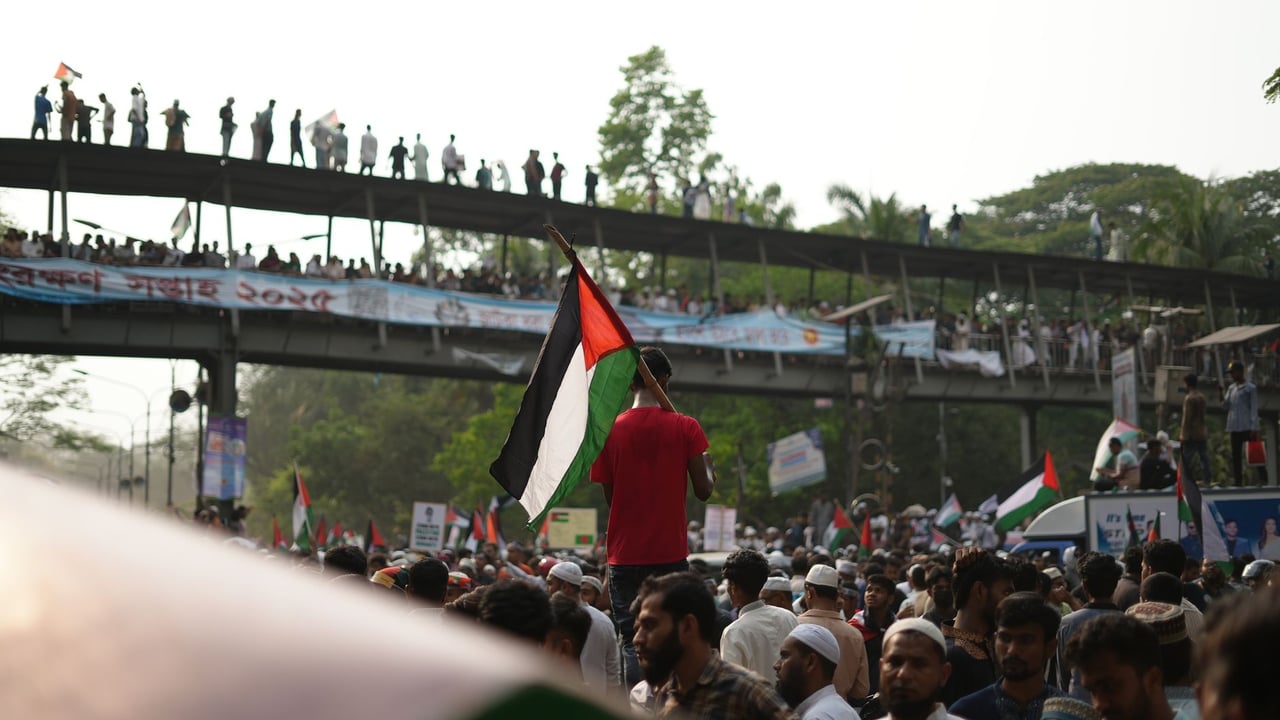

The landscape of Gaza City remains a grim tableau of devastation as the conflict enters another summer of high-intensity operations. On June 4, 2026, the local civil defense authorities reported a series of Israeli airstrikes targeting residential structures, a move that underscores the ongoing volatility of the region despite international calls for de-escalation.
At least nine individuals, including women and children, were confirmed dead following the bombardment of several apartment blocks. These strikes highlight the perilous reality for civilians trapped in dense urban environments where the distinction between military necessity and humanitarian preservation becomes increasingly blurred.
Photographic evidence from the ground depicts a recurring scene of rescue workers scouring through concrete wreckage in hopes of finding survivors. This latest round of violence serves as a stark reminder that the security architecture of the Middle East remains fundamentally fractured, with small-scale tactical strikes often yielding significant civilian casualties.
While military objectives are frequently cited as the justification for such incursions, the recurring loss of non-combatant life continues to fuel regional grievances. The persistence of these kinetic engagements suggests that a sustainable diplomatic resolution remains out of reach for the foreseeable future, as both sides remain locked in a cycle of attrition.