
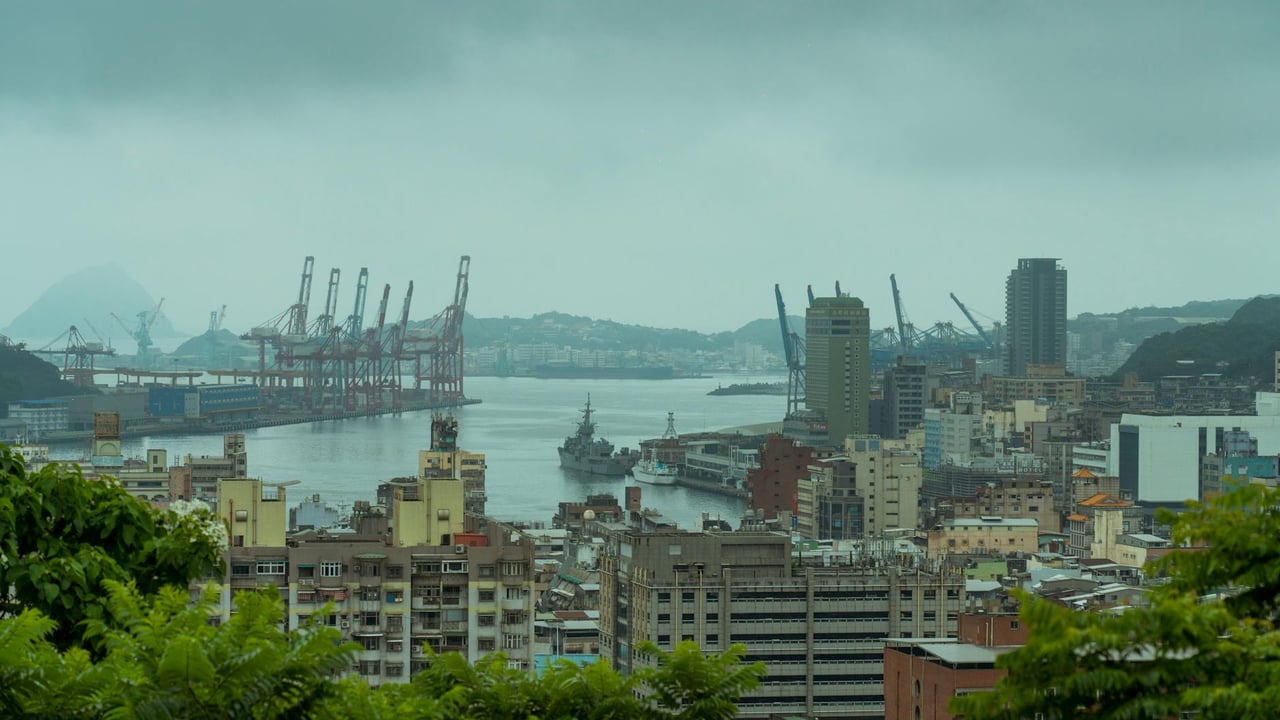

The transit of a Dutch naval vessel through the Taiwan Strait has sparked a calculated response from Beijing, signaling a sharpening of maritime tensions in the Indo-Pacific. On June 6, 2026, the People’s Liberation Army (PLA) Eastern Theater Command announced it had tracked and monitored the vessel throughout its passage. In a move designed to project both transparency and tactical dominance, the Chinese military released high-definition imagery of the encounter, underscoring its readiness to respond to foreign naval presence in what it considers its near-seas.
This deployment by the Netherlands represents a significant expansion of European participation in regional security dynamics. While the United States has long conducted routine transits to uphold freedom of navigation, the inclusion of Dutch hardware suggests a growing consensus among NATO allies that the stability of the Taiwan Strait is a global rather than a purely regional concern. For the Dutch, this mission is part of a broader 'Indo-Pacific tilt,' aligning its maritime strategy with that of the U.S., U.K., and France.
Beijing’s reaction, characterized by immediate 'track and monitor' protocols, follows a well-established script of asserting sovereignty over the waterway. However, the decision to publish high-quality visual evidence serves a dual purpose. Domestically, it reinforces the narrative of a vigilant and capable military; internationally, it serves as a warning to mid-sized powers that their movements are being watched with precision, potentially raising the cost of future 'freedom of navigation' exercises.
The geopolitical stakes of such transits are evolving. As European capitals increasingly link their economic resilience to the security of East Asian shipping lanes, the Taiwan Strait is becoming a crowded stage for international power projection. Each transit forces a delicate diplomatic dance, as European nations attempt to balance their critical trade relationship with China against their commitments to a rules-based international maritime order.