
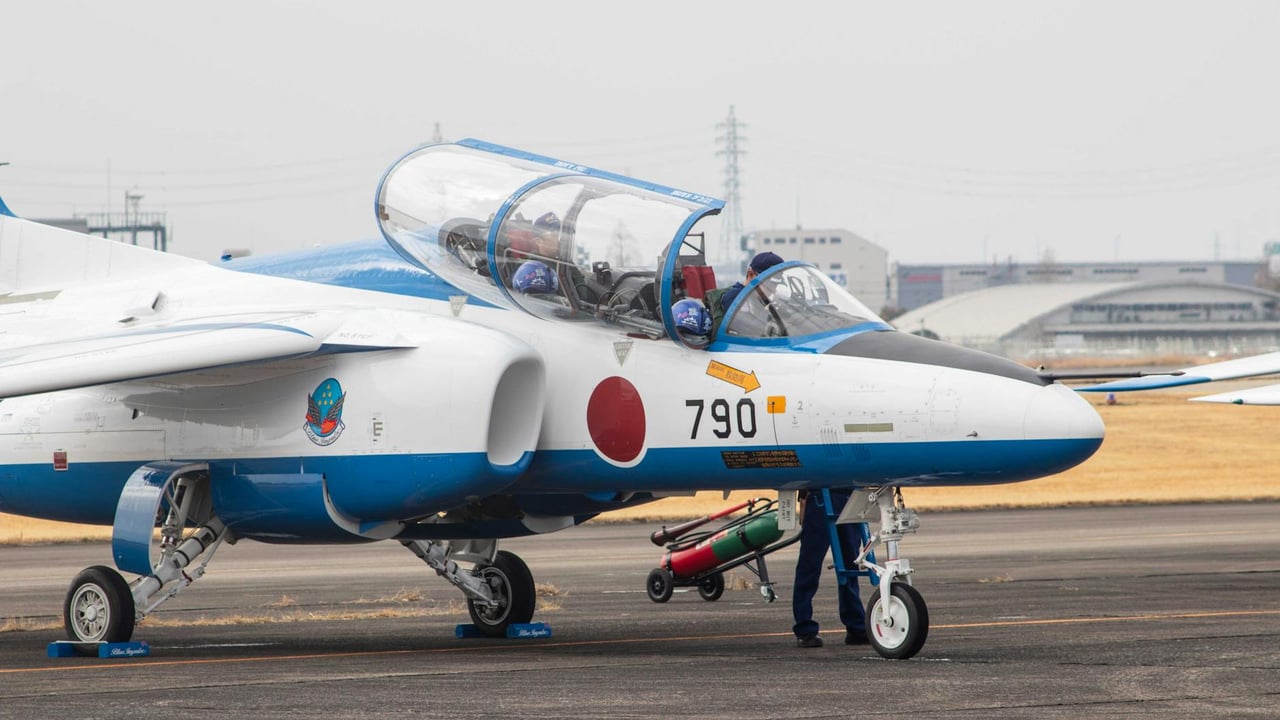

From June 20 to 30, the Japan Ground Self-Defense Force and the U.S. Marine Corps will conduct large-scale joint exercises across Kyushu and Okinawa. While officially framed as routine maneuvers to enhance island defense, the exercises signal a profound transformation in Tokyo’s military posture. The shift represents a move away from the post-war doctrine of 'exclusive defense' toward a more assertive, offensive-capable strategy aimed at regional containment.
This military pivot is not a sudden reaction but the culmination of a decade-long strategic realignment known as the 'Southwest Shift.' Since 2010, Japan has steadily migrated its primary defensive focus from the northern borders near Russia to the volatile maritime corridors of the East China Sea. By leveraging the U.S.-Japan alliance, Tokyo is building a sophisticated integrated combat system designed to project power far beyond its immediate shores.
The 2026 fiscal budget highlights the acceleration of these preparations, specifically the upgrading of the 15th Brigade in Naha, Okinawa, to a full-strength Division. This restructuring involves more than just increased troop numbers; it modernizes the command architecture and enhances mobile strike capabilities. This transition turns a once-static garrison into a high-readiness expeditionary force capable of engaging in high-intensity regional conflicts.
Parallel to these structural changes, Japan is converting the Southwest Islands into a dense network of 'combat base groups.' These outposts are being equipped with advanced radar arrays, electronic warfare units, and a formidable battery of anti-ship and anti-aircraft missiles. The deployment of upgraded Type 12 anti-ship missiles and the development of indigenous hypersonic weapons effectively dismantle the traditional constraints on Japan’s offensive reach.
Perhaps the most telling sign of Japan’s resolve is the expansion of its domestic infrastructure for a 'total war' scenario. The government is currently prioritizing the expansion of military medical facilities and the reservation of civilian hospital beds for potential combat casualties. By integrating logistics and healthcare into its military planning, Tokyo is signaling that its preparations are no longer theoretical but are rooted in the reality of sustained attrition.
These developments have direct implications for the security of the Taiwan Strait, particularly given that Yonaguni Island sits a mere 110 kilometers from Taiwan’s coastline. The concentration of advanced military assets in such close proximity to Chinese territorial claims significantly raises the stakes of any miscalculation. This strategic build-up is viewed by regional neighbors not as a deterrent, but as a catalyst for a new and dangerous arms race in East Asia.