Beijing’s Kingmaker Gambit: Wang Yi’s Meeting Hints at China’s Choice for UN Secretary-General

Foreign Minister Wang Yi’s recent high-profile meeting with a potential UN Secretary-General candidate signals China’s strategic push to influence the selection of the next global leader. Beijing is positioning itself as a kingmaker, prioritizing a female candidate from the Global South who aligns with its vision of a multipolar international order.

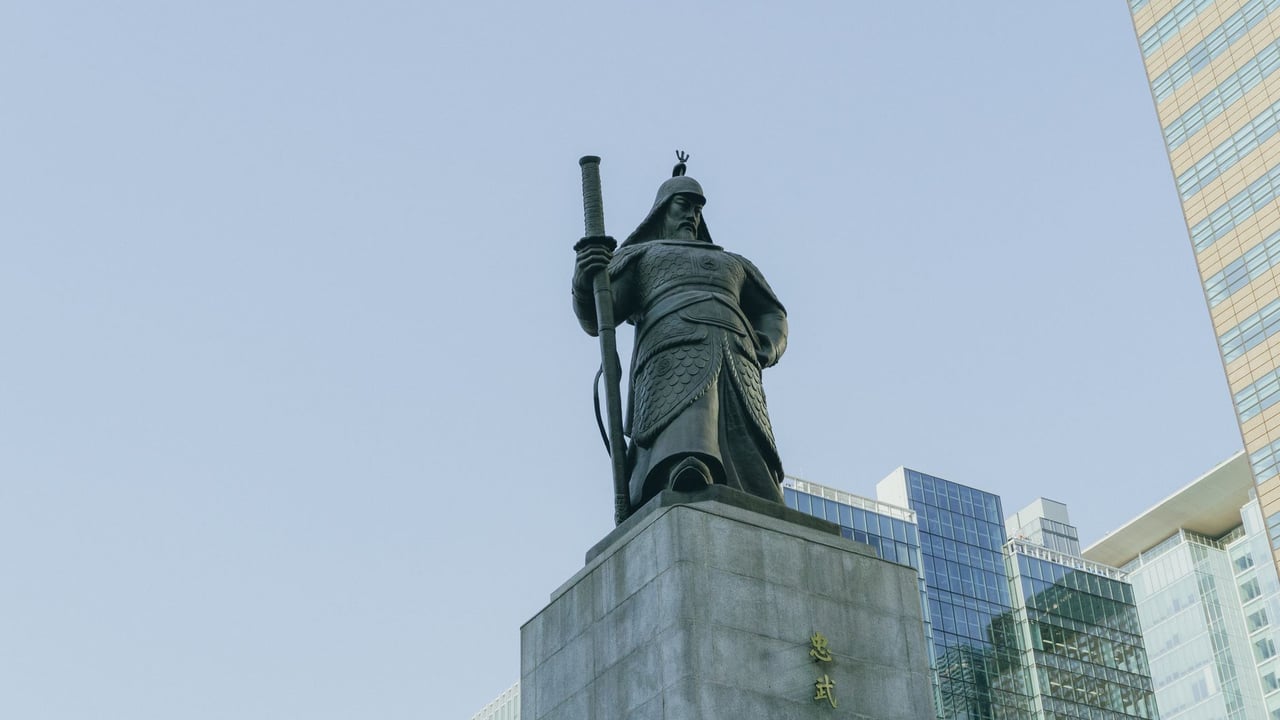
Admiral Yi Sun-sin statue at Gwanghwamun Square, Seoul under a clear sky.

Key Takeaways

  • 1Foreign Minister Wang Yi has personally met with a leading female contender for the next UN Secretary-General position.
  • 2China is shifting from a reactive veto-holder to a proactive kingmaker in UN leadership selection.
  • 3Beijing is prioritizing a candidate from the Global South to challenge the perceived Western bias in multilateral institutions.
  • 4The 2026 selection process is increasingly viewed as a battleground for the future direction of 'true multilateralism' versus the current Western-led order.

Editor's
Desk

Strategic Analysis

Beijing's early involvement in the UN Secretary-General selection process is a calculated move to secure a 'friendly' leadership that will resist the expansion of human rights-centric agendas favored by the West. By framing their support through the lens of gender equality and regional representation, China gains moral high ground while simultaneously narrowing the field to candidates who are less likely to criticize its domestic policies. The 'Global South' identity of the candidate is crucial; it allows Beijing to consolidate its leadership of the developing world while forcing the United States into a difficult diplomatic position—either support a candidate favored by the majority of UN member states or risk appearing to block a historic first for the institution.

China Daily Brief Editorial
Strategic Insight
China Daily Brief

As the race to succeed António Guterres as UN Secretary-General begins to take shape, Beijing is signaling its intent to play a decisive role in selecting the next leader of the world’s most prominent multilateral body. Recent high-level discussions between Chinese Foreign Minister Wang Yi and a prominent female diplomatic figure—whose identity is being closely associated with Global South leadership—suggest that China has identified its preferred candidate for the 2026 transition.

Historically, the appointment of the UN Secretary-General has been a product of backroom deals among the P5 permanent members of the Security Council. However, China’s increasingly assertive 'neighborhood diplomacy' and its self-appointed role as the champion of the Global South have shifted the traditional power dynamics. By engaging directly with potential candidates early in the process, Beijing is moving beyond its traditional veto power to take a proactive stance in talent scouting and endorsement.

There is a growing international consensus that the next Secretary-General should be the first woman to hold the post, a sentiment Beijing appears ready to capitalize on. By backing a candidate who aligns with its vision of 'true multilateralism'—a term often used to counter Western-led international orders—China aims to ensure the UN remains a platform that accommodates a multipolar world. This strategy is particularly focused on candidates from regions where China has significant economic and diplomatic leverage, such as Latin America or Africa.

For the international community, Wang Yi's personal involvement underscores that the selection process will no longer be a predominantly transatlantic affair. The endorsement of a candidate by Beijing is not merely about administrative preference; it is a strategic maneuver to ensure that the UN’s future agenda reflects the priorities of the developing world over the liberal interventionist policies often favored by Washington and Brussels.

Share Article

Related Articles

📰
No related articles found