SpaceX and the Final Frontier of Finance: A Historic IPO Faces the 'Scam' Litmus Test

SpaceX is set to launch a record-breaking IPO on June 12, 2026, seeking a $750 billion valuation. The move has sparked intense debate over its commercial viability and its role as a strategic asset, with reports indicating significant restrictions on international participation from regions like Hong Kong.

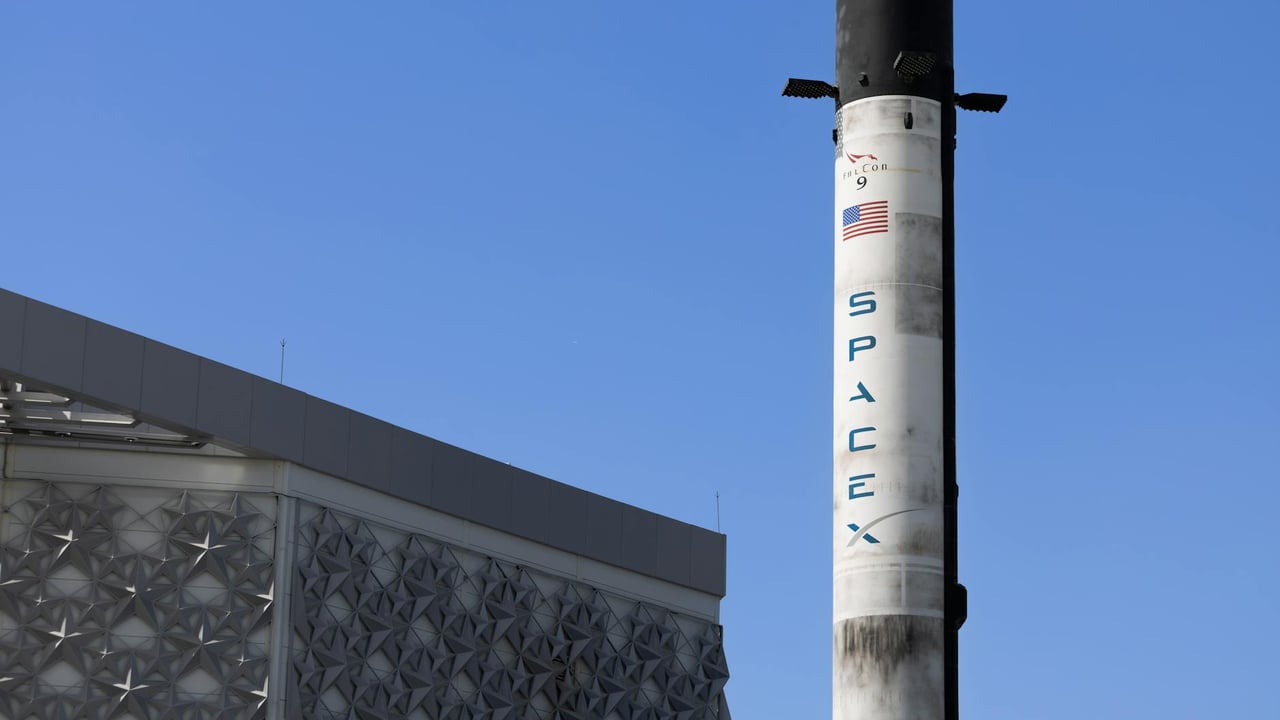
A SpaceX Falcon 9 rocket displayed outdoors against a clear blue sky in Dubai.

Key Takeaways

  • 1SpaceX is targeting a June 12, 2026, IPO date with a potential fundraising goal of up to $200 billion.
  • 2The valuation is projected at $750 billion, making it the largest initial public offering in financial history.
  • 3Critical discourse in Asian markets centers on whether the company's valuation reflects real utility or a 'super-sized' speculative bubble.
  • 4Geopolitical tensions are evident as certain foreign capital sources, particularly from Hong Kong, appear to be barred from the offering.
  • 5The IPO is viewed as the ultimate test of the 'New Space' economy's ability to sustain massive capital requirements through public markets.

Editor's
Desk

Strategic Analysis

The SpaceX IPO represents more than a financial milestone; it is the formalization of the military-industrial-space complex for the 21st century. By taking the company public at this valuation, Elon Musk is attempting to lock in the capital necessary for Mars exploration before the current window of technological dominance closes. However, the exclusion of Hong Kong capital is the most telling detail—it underscores that SpaceX is now viewed as a 'dual-use' strategic asset by the U.S. government. This IPO will likely force a permanent decoupling in the global aerospace supply chain, as investors are forced to choose between the proprietary American 'Starlink' ecosystem and emerging competitors. The 'scam' accusations are less about fraud and more about the existential fear that the 'Final Frontier' may never actually offer a traditional return on investment, making this a pure play on belief in technological manifest destiny.

China Daily Brief Editorial
Strategic Insight
China Daily Brief

The global financial community is bracing for what is being billed as the most significant public offering in history. SpaceX, Elon Musk’s private aerospace juggernaut, is reportedly scheduled to go public on June 12, 2026. With a valuation reaching toward the stratosphere—estimates suggest a figure as high as $750 billion—the move marks the definitive transition of the private space sector from a venture-capital-backed dream into a mainstream asset class.

However, the magnitude of the IPO has reignited a fierce debate over the fundamental value of the enterprise. While proponents see the fruition of a multi-planetary vision, skeptics in the Chinese and international media are asking if this represents a massive speculative bubble. The 'scam' narrative, often leveled at Musk’s high-burn-rate ventures, stems from the immense capital expenditure required for the Starship program and the uncertain timeline for commercial profitability beyond satellite launches.

Adding a layer of geopolitical complexity to the listing are reports that certain international investment hubs, specifically Hong Kong, are being excluded from participating in the capital raise. This gatekeeping suggests that SpaceX is no longer just a commercial entity but a critical component of Western national security infrastructure. As the company deepens its ties with the U.S. Department of Defense, the exclusion of Chinese-linked capital reflects the hardening 'de-risking' strategies currently defining the global tech landscape.

The timing of the IPO coincides with a broader 'Black Friday' volatility in the semiconductor and tech sectors, yet SpaceX appears to be positioned as a safe haven for aggressive growth capital. If successful, the $75 billion to $200 billion fundraising target will provide the liquidity necessary to accelerate the colonization of Mars. Yet, for many analysts, the listing is a high-stakes gamble: it is a test of whether the public markets are willing to fund a vision whose primary returns may not be realized within a human lifetime.

Share Article

Related Articles

📰
No related articles found