
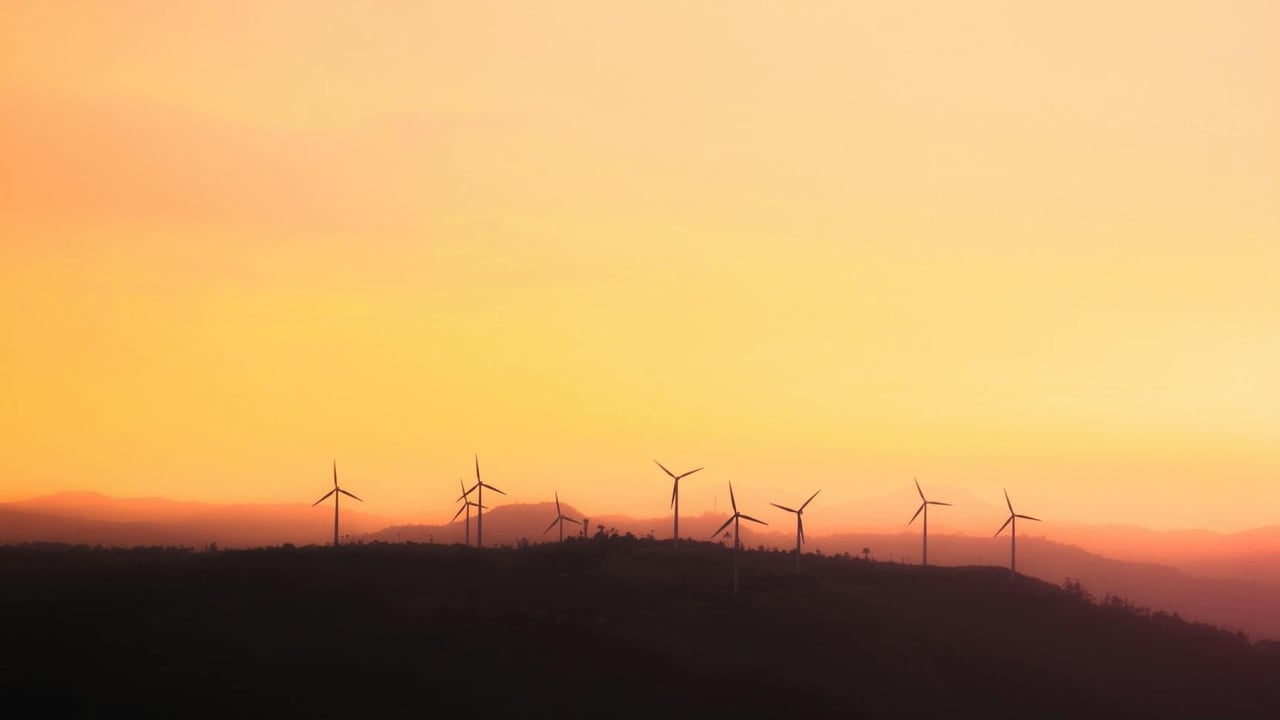

In the industrial heartland of Anhui province, a new economic paradigm is taking shape that seeks to solve one of the most pressing bottlenecks of the artificial intelligence era: the insatiable demand for energy. Huainan, a city historically defined by its coal reserves, is now positioning itself as the vanguard of 'Computing-Power-Electricity Synergy.' This strategic pivot aims to transform low-cost renewable energy into high-value AI inference services, effectively exporting electricity in the form of digital tokens.
Recent government directives have elevated this synergy from a local experiment to a national priority, marking the first time the concept was featured in the central government’s work report in 2026. The economic logic is compelling. While a single kilowatt-hour of renewable energy might fetch a mere 0.5 RMB on the traditional grid, local officials and industry leaders claim that same unit of energy, when channeled through a high-performance computing center to generate AI tokens, can be sold on the global market for as much as 10 RMB. This twenty-fold increase in value represents a new frontier for Chinese industrial policy.
China’s comparative advantage in this digital-energy race lies in its massive overcapacity and plummeting costs in the photovoltaic sector. With solar power costs now normalized at approximately 2 to 3 US cents per kilowatt-hour, China possesses the world’s cheapest energy baseline. Scientists at the Shanghai Jiao Tong University Solar Energy Research Institute suggest that upcoming breakthroughs in TOPCon and perovskite tandem cell technologies will further drive down costs by 7% for every 1% gain in efficiency, cementing the nation’s role as the low-cost provider for the AI revolution.
By integrating 'thermal power backing' with 'green power support,' regions like Huainan are creating a stable, 'source-grid-load-storage' ecosystem. This infrastructure is designed to mitigate the intermittency of renewables while providing the constant, high-density power required by modern GPU clusters. As global AI firms scramble for power permits in Northern Virginia or West Texas, China is betting that its ability to synthesize energy production with computing infrastructure will provide a decisive edge in the global tech hierarchy.