Israel’s Silent Encirclement: Mapping the Secret Bases Used to Strike Iran

Reports reveal a network of secret Israeli military outposts in Azerbaijan, Iraq, the UAE, and Somaliland used to facilitate strikes against Iran. This peripheral strategy includes a controversial 'recognition-for-basing' deal with Somaliland and high-tech deployments near the Iranian border.

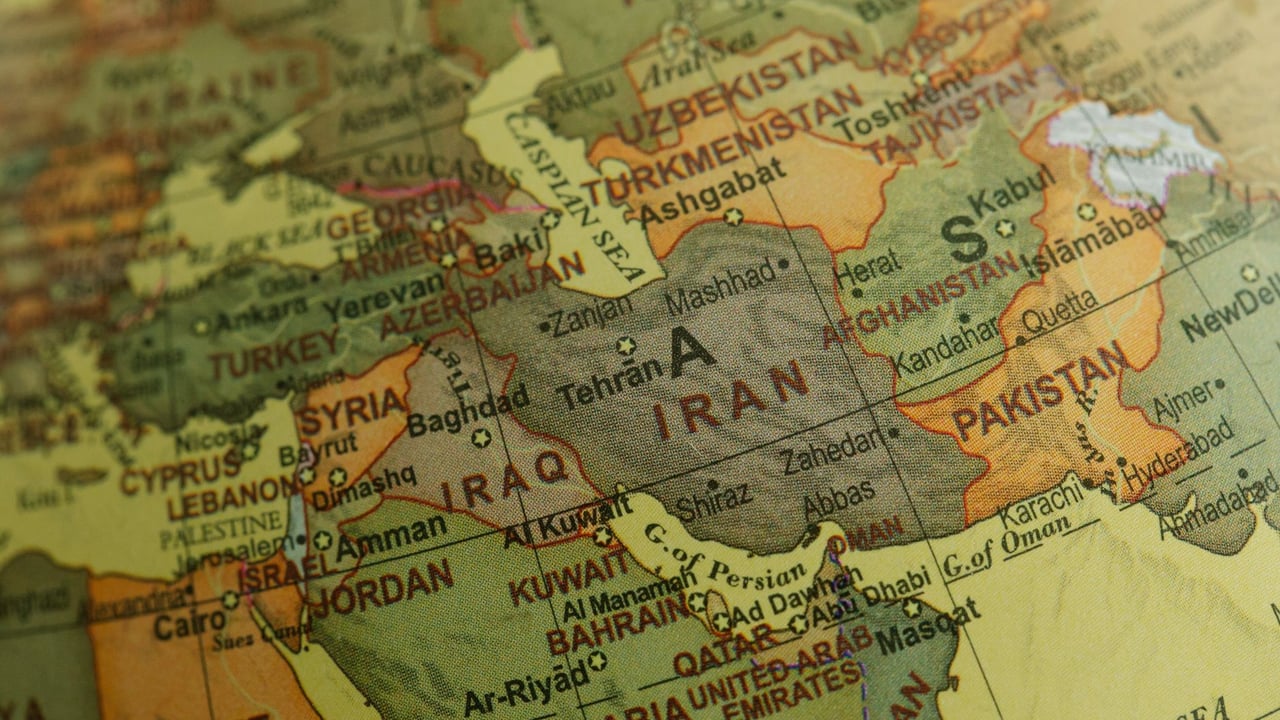
Close-up view of Middle East map highlighting countries and borders.

Key Takeaways

  • 1Israel established secret bases in Azerbaijan as close as 90km to the Iranian city of Tabriz for intelligence and rescue operations.
  • 2A strategic base was established in Somaliland following Israel's unique 2025 diplomatic recognition of the territory as a sovereign state.
  • 3Logistical support and search-and-rescue capabilities were positioned at two secret sites within Iraq.
  • 4The United Arab Emirates reportedly hosted an Iron Dome air defense battery and Israeli personnel despite official denials from Abu Dhabi.
  • 5Azerbaijan and the UAE have both issued strong formal denials, labeling the reports as fabrications aimed at destabilizing regional relations.

Editor's
Desk

Strategic Analysis

This revelation marks a modern resurgence of Israel’s 'Periphery Doctrine,' originally formulated by David Ben-Gurion to build alliances with non-Arab states and ethnic minorities on the edges of the Middle East. The most striking element is the 2025 recognition of Somaliland, which demonstrates Jerusalem's willingness to break international diplomatic norms to secure kinetic depth. By establishing a presence in Azerbaijan and the Horn of Africa, Israel has effectively neutralized Iran’s geographical advantage of 'strategic depth.' However, this strategy places host nations in a precarious position; for Azerbaijan and the UAE, the gap between their clandestine security cooperation and their public diplomatic posture is narrowing, potentially inviting direct Iranian retaliation or domestic unrest.

China Daily Brief Editorial
Strategic Insight
China Daily Brief

The shadow war between Jerusalem and Tehran has stepped into the light, revealing a sophisticated network of secret outposts that made Israel’s February 28 strikes possible. Leaked intelligence reports suggest that Israel did not act from its own borders alone, but utilized a peripheral strategy involving several of Iran's neighbors and strategic maritime partners.

Azerbaijan appears to be the linchpin of this northern front, with reports identifying multiple secret bases established weeks before the military operation. One such facility sits a mere 90 kilometers from the Iranian city of Tabriz, housing special forces, intelligence units, and search-and-rescue teams designed to recover downed pilots.

To the south, Israel’s reach extended into the Horn of Africa through a controversial diplomatic gambit in Somaliland. By becoming the first and only UN member to recognize Somaliland’s sovereignty in late 2025, Israel secured a vital relay station for long-range bombers, fundamentally altering the maritime security landscape of the Red Sea.

The logistics of the campaign also relied on silent cooperation within the Arab world, specifically through two clandestine sites in Iraq and an Iron Dome deployment in the United Arab Emirates. While host governments have issued reflexive denials to pacify domestic and regional audiences, the operational footprint suggests a level of coordination previously thought impossible in the Middle East.

Share Article

Related Articles

📰
No related articles found