Nuclear Brinkmanship and Backroom Deals: The Fragile State of U.S.-Iran Negotiations

U.S. and Iranian negotiators are reportedly nearing a 60-day memorandum of understanding to de-escalate regional tensions, though the deal hinges on the unfreezing of $24 billion in assets. Despite significant technical preparations at U.S. nuclear laboratories, recent military strikes and mutual distrust continue to threaten the fragile diplomatic breakthrough.

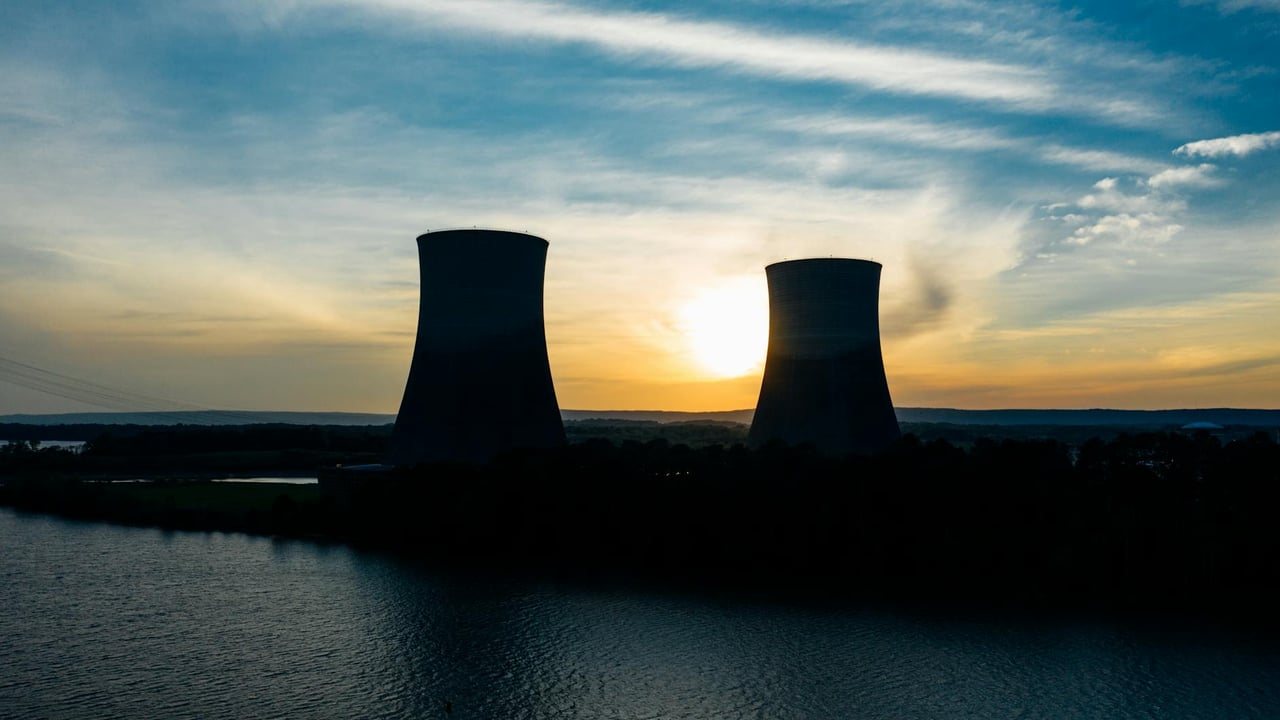
Identical cooling tower silhouettes on power plant near rippled river under colorful cloudy sky at sundown

Key Takeaways

  • 1U.S. technical experts and high-level envoys are drafting a 60-day MOU focused on enrichment limits and oil sales.
  • 2Iran demands the unfreezing of $24 billion in assets as a prerequisite for any formal peace agreement.
  • 3Cryptocurrency markets showed a volatile '探底回升' (bottoming out and rebounding) pattern in response to the diplomatic news.
  • 4Recent U.S. military strikes on Iranian surveillance facilities in the south have sparked formal diplomatic protests from Tehran.
  • 5The potential deal includes critical maritime concessions, such as the full reopening of the Strait of Hormuz.

Editor's
Desk

Strategic Analysis

The current trajectory of U.S.-Iran relations resembles a high-stakes transactional exercise characteristic of the Trump administration's 'Art of the Deal' foreign policy. By involving technical experts at Oak Ridge, Washington is signaling a desire for a 'watertight' agreement that avoids the perceived loopholes of previous iterations. However, the simultaneous application of military force against Iranian radar installations suggests that the U.S. is not yet ready to abandon its coercive leverage. For global markets, the primary focus remains the Strait of Hormuz; any deal that guarantees the flow of oil will likely lead to a sustained reduction in the geopolitical risk premium. Conversely, if the $24 billion asset dispute remains unresolved, the resulting frustration in Tehran could lead to a swift collapse of the 60-day window, potentially triggering a much larger regional conflagration.

China Daily Brief Editorial
Strategic Insight
China Daily Brief

A sudden surge in cryptocurrency markets late Saturday night signaled a shift in global risk appetite as reports emerged of significant progress in high-level negotiations between Washington and Tehran. Bitcoin and Ethereum recovered from sharp intraday losses after details surfaced regarding a potential 60-day memorandum of understanding aimed at cooling tensions in the Middle East. This market rebound reflects the high stakes of a diplomatic gambit that could either stabilize global energy corridors or plunge the region into a deeper conflict.

Central to these developments is a reported meeting at the Oak Ridge National Laboratory, where Jared Kushner and Special Envoy Steve Witkoff collaborated with a team of nearly 100 nuclear experts. This technical assembly suggests that the Trump administration is moving beyond rhetoric into the granular details of a new nuclear framework. The proposed agreement reportedly includes a temporary ceasefire, the reopening of the Strait of Hormuz, and provisions for Iran to resume limited oil sales in exchange for strict caps on uranium enrichment.

Despite the technical progress, the road to a formal agreement remains blocked by significant financial and military hurdles. Mohsen Rezai, a senior advisor to Iran’s Supreme Leader, has explicitly tied the success of any deal to the unfreezing of $24 billion in Iranian assets currently held by the United States. Tehran has warned that failure to release these funds, coupled with continued American military activity, would force the Islamic Republic onto a 'dark path' of renewed escalation.

The fragility of the current peace process was further underscored by Iran’s Ministry of Foreign Affairs, which recently condemned U.S. strikes on radar and surveillance facilities in the Siriq and Qeshm regions. Tehran characterized these actions as a blatant violation of the standing ceasefire and an affront to its national sovereignty. While the White House appears focused on the transactional benefits of a deal, these persistent military frictions suggest a 'maximum pressure' strategy is still being applied concurrently with diplomatic outreach.

Share Article

Related Articles

📰
No related articles found