
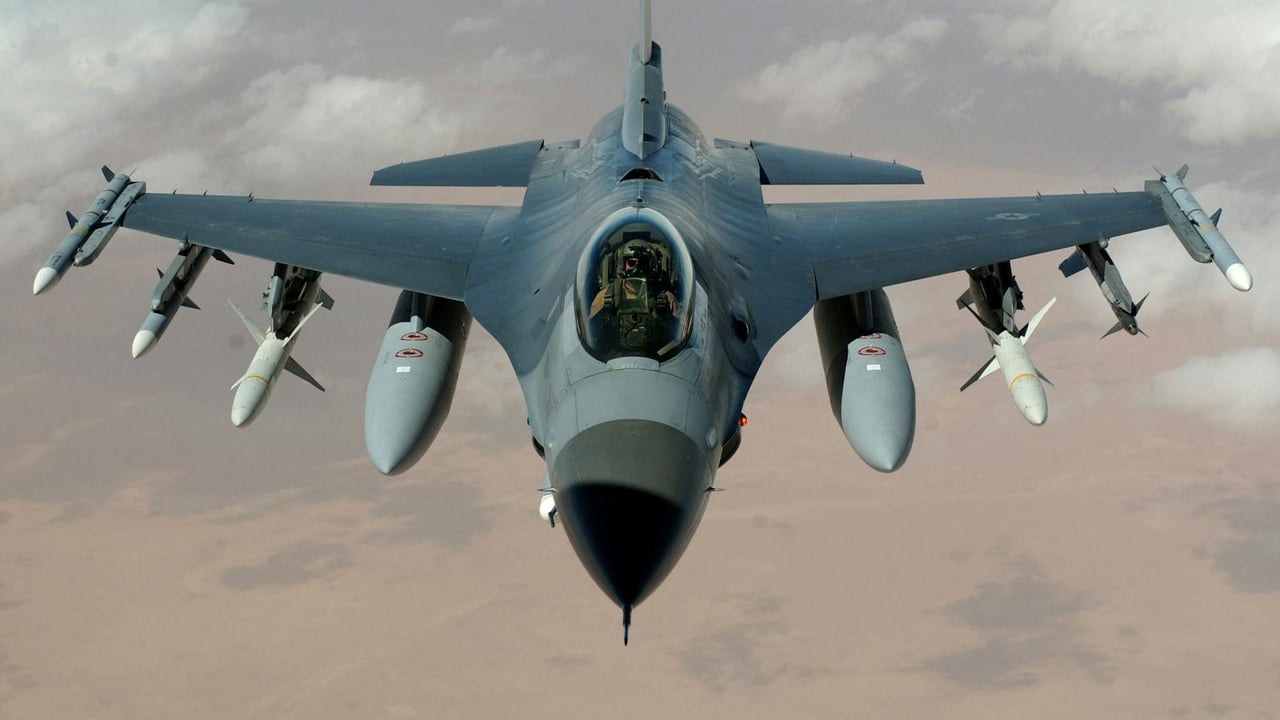

Tensions in the Persian Gulf reached a fever pitch this week as the United States military reported a multi-pronged Iranian assault involving ballistic missiles and attack drones. The engagement represents a significant escalation in a region already on a knife-edge, signaling a shift from proxy skirmishes to direct state-on-state confrontation. US Central Command (CENTCOM) confirmed the interception of six out of seven ballistic missiles aimed at Kuwait and Bahrain, along with four attack drones over the Strait of Hormuz.
While air defense sirens blared in Gulf capitals during the early hours of the morning, Washington remains firm that its operational capabilities remain unscathed. Specifically, US officials have moved to debunk claims from Tehran that the Fifth Fleet headquarters in Bahrain suffered significant damage. This narrative gap highlights the intense information warfare currently accompanying kinetic actions, as both sides seek to project dominance to domestic and international audiences.
According to the Iranian Islamic Revolutionary Guard Corps (IRGC), the strikes were a direct response to prior American kinetic actions within Iranian territory. By targeting facilities in Kuwait and Bahrain, Tehran is demonstrating its willingness to broaden the theater of conflict, effectively threatening the security of regional allies and critical energy corridors. The failure of the majority of the Iranian ordnance to reach their targets suggests a high level of readiness for American integrated air and missile defense systems in the theater.
Despite the lack of casualties reported by CENTCOM, the psychological impact of the sirens in Kuwait City and Manama cannot be understated. The event marks one of the most significant direct challenges to the US military presence in the Gulf in recent years. As both Washington and Tehran maintain high states of alert, the international community is watching closely for further signs of miscalculation that could lead to a full-scale regional conflagration.