
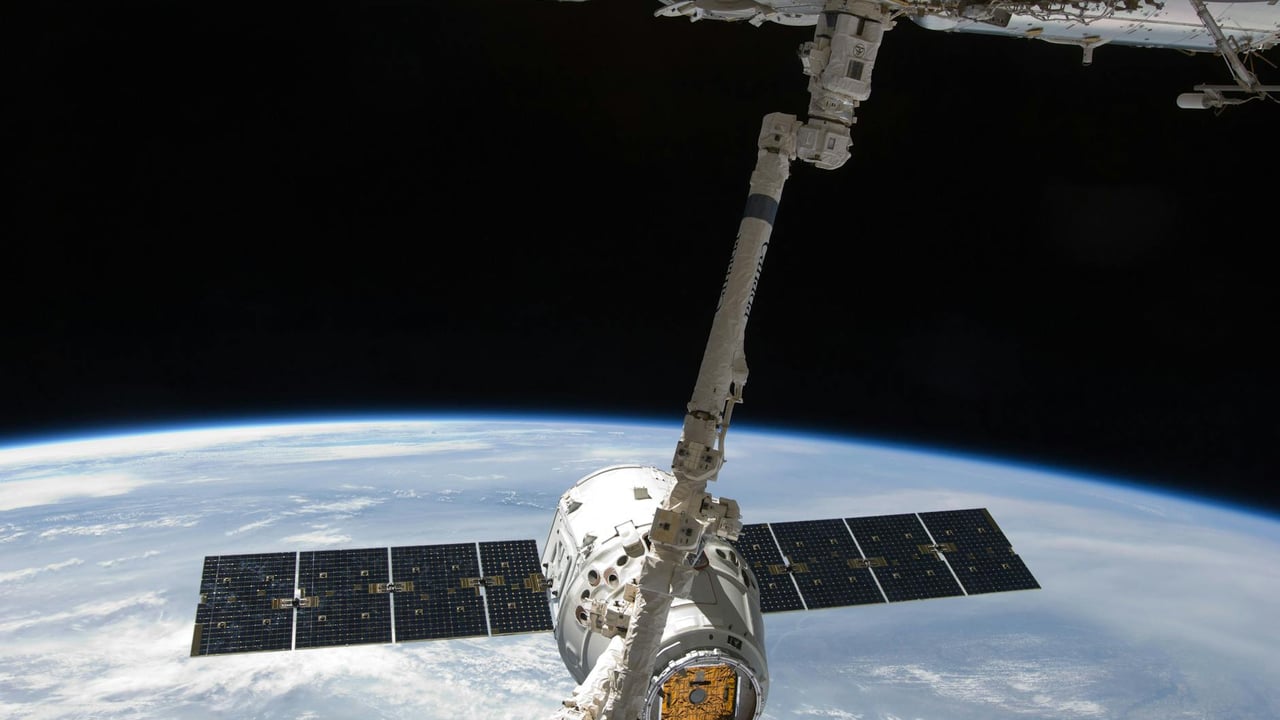

The International Space Station (ISS) became a high-altitude safe room on June 5 as a worsening air leak in the Russian Zvezda module forced a dramatic tactical retreat. While two Russian cosmonauts conducted urgent maintenance to patch the site, five other crew members were ordered to shelter inside the docked SpaceX Crew Dragon spacecraft. This 'lifeboat' maneuver, while described by experts as a standard precaution, underscores the precarious nature of maintaining an aging laboratory that has been in orbit for over a quarter-century.
The leak is located in the Prk transfer chamber, a small section that connects a docking port to the rest of the Zvezda module. Although air loss has been a persistent headache since 2019, the rate of leakage has fluctuated significantly, occasionally reaching levels that alarm ground controllers. The most recent spike in pressure loss necessitated the closure of the hatch to the affected segment, effectively isolating the problem but limiting the station's operational volume.
Beneath the technical surface lies a growing divergence between NASA and its Russian counterpart, Roscosmos. The two agencies have spent months debating the root causes of the structural fatigue, with American engineers typically favoring a more cautious risk profile than their Russian colleagues. This disagreement is set against the backdrop of crumbling terrestrial relations, yet the ISS remains the final bastion of functional cooperation between Washington and Moscow.
As the ISS approaches its scheduled decommissioning around 2030, these recurring structural failures serve as a physical manifestation of the platform’s sunset. The difficulty in permanently sealing these micro-fissures highlights the challenges of extending the life of the station any further. While the immediate danger has been mitigated and the crew has returned to normal operations, the episode signals that the race to transition to commercial space stations is now a matter of safety, not just policy.