
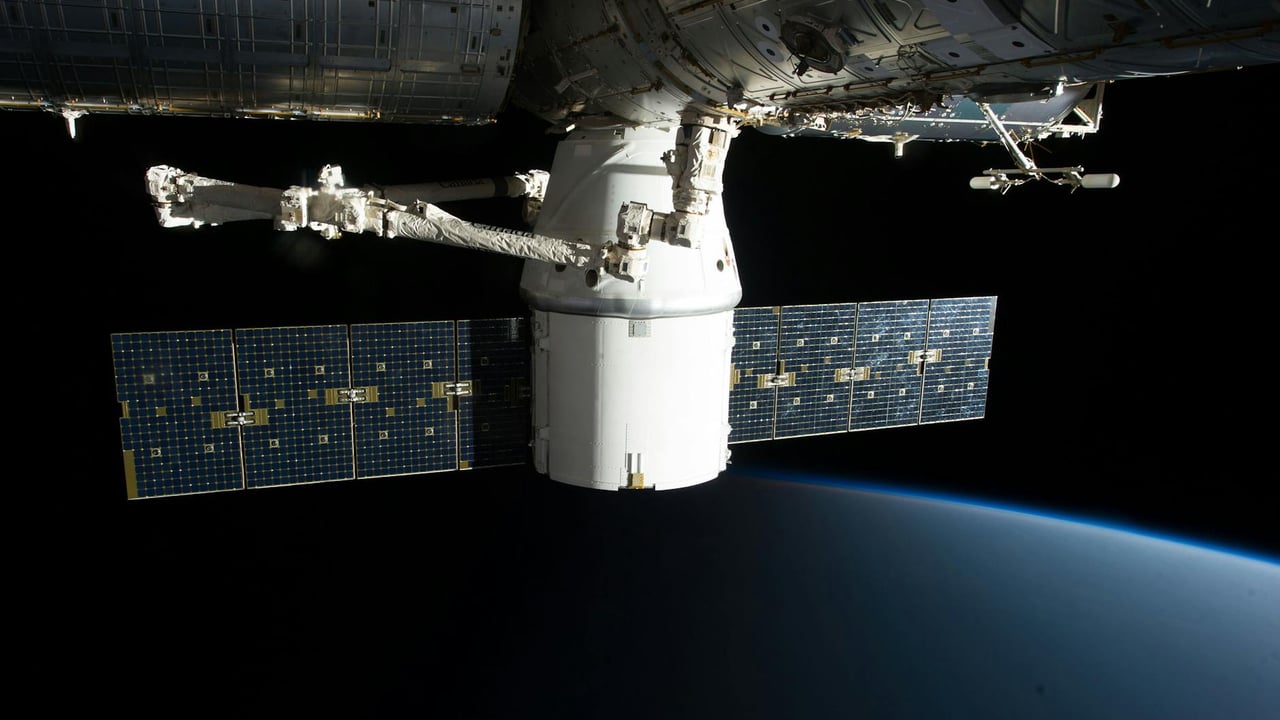

A worsening air leak in the Russian segment of the International Space Station (ISS) forced a dramatic shift in operations this week, as two Russian cosmonauts scrambled to perform emergency repairs. While the maintenance was underway, five other crew members were ordered to take refuge inside the SpaceX Crew Dragon capsule, a precautionary measure that underscores the increasing risks aboard the aging orbital laboratory.
The leak, located in the transfer tunnel of the Russian Zvezda service module, is a persistent headache that has plagued the station since 2019. While the rate of air loss has fluctuated over the years, recent months have seen the problem reach a critical threshold, leading to heightened tensions between NASA and the Russian space agency, Roscosmos.
Despite the temporary evacuation of the main station areas, space officials maintain that the ISS remains a safe environment for its inhabitants. The decision to shelter in the Dragon capsule was described as a standard safety protocol, reflecting a 'better safe than sorry' approach to orbital management. However, the recurring nature of the leak has sparked a sharp debate between American and Russian experts regarding the underlying cause and the long-term viability of the proposed fixes.
As the ISS approaches its third decade of service, these technical failures serve as a stark reminder of the challenges of maintaining complex infrastructure in the harsh environment of space. With the station’s retirement slated for 2030, the ability of international partners to navigate both structural fatigue and geopolitical friction will determine if the mission can reach its finish line without a more serious catastrophe.