

A blowout non-farm payrolls report has sent shockwaves through global markets, igniting a fierce debate over the future of U.S. monetary policy. The Treasury market witnessed a violent sell-off as the yield on the policy-sensitive two-year note surged to 4.162%. Traders have now fully priced in a 25-basis-point rate hike for December, with the probability of an October move jumping to 60%.
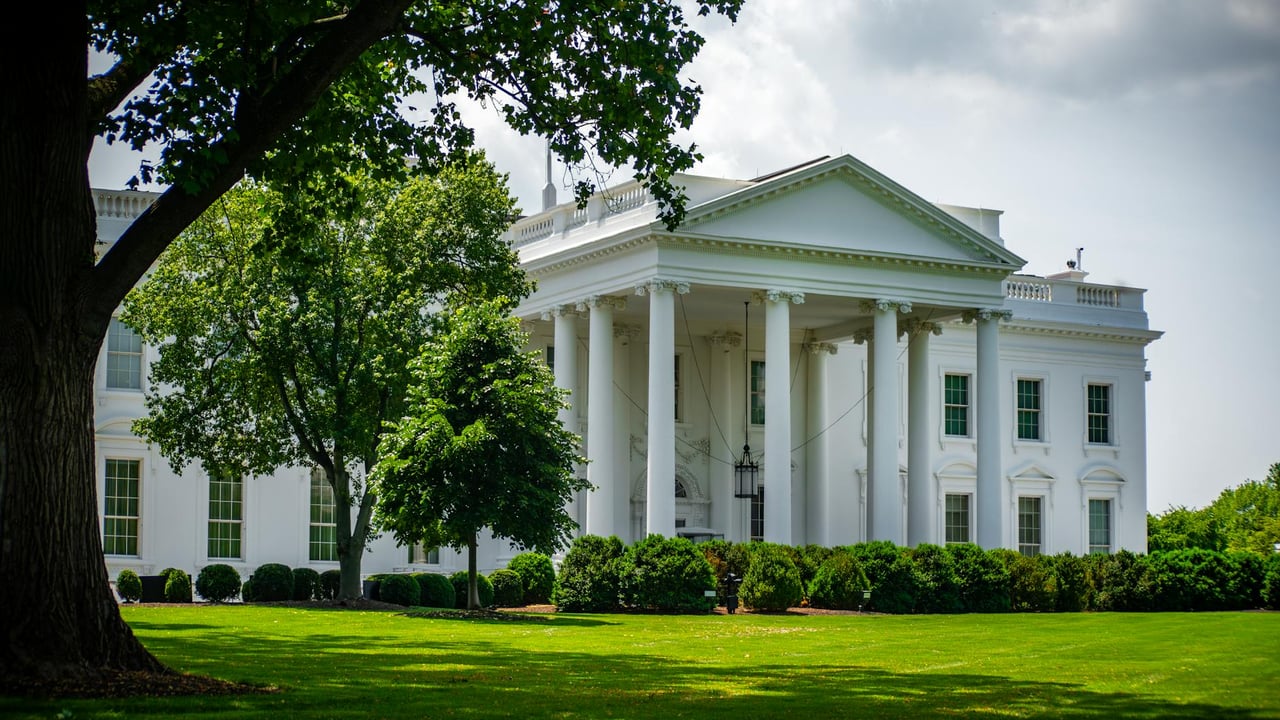
This hawkish market shift stands in stark contrast to the rhetoric emanating from the White House. President Donald Trump has publicly voiced his desire for rate cuts, even as he delegates the formal decision-making to the newly appointed Federal Reserve Chair, Kevin Warsh. Trump’s chief economic advisor, Kevin Hassett, has attempted to frame the robust employment data as a sign that the Fed still possesses the flexibility to lower borrowing costs in the near future.
The divergence between market reality and political ambition has placed Kevin Warsh in an unprecedented position as he prepares to chair his first policy meeting on June 16-17. Nick Timiraos, often considered the primary conduit for Fed communications, suggests that Warsh’s biggest challenge will be balancing the market’s demand for inflation control against the administration’s populist economic agenda. This internal friction comes as Wall Street’s largest institutions begin to abandon their long-held expectations for a pivot toward easing.
Goldman Sachs has led the institutional retreat, with chief U.S. economist David Mericle scrapping all remaining rate-cut predictions for 2026. The bank’s revised model now anticipates that the first cuts will not materialize until June and December of 2027. Goldman cites a 'triple catalyst' of tariff pass-through effects, high oil prices driven by geopolitical conflict, and massive AI-related energy demand as the primary reasons why core PCE inflation will likely remain stuck above 3%.
While Goldman and JPMorgan are leaning into a 'higher-for-longer' or even 'higher-for-now' stance, Citigroup remains a notable outlier. Citi’s Andrew Hollenhorst argues that the current labor market strength is a lagging indicator that will likely soften over the next quarter. He maintains a contrarian forecast of three 25-basis-point cuts starting in September, betting that the Fed will eventually be forced to prioritize downside risks to employment over the lingering threat of inflation.
Inside the Fed, the ideological center of gravity appears to be shifting toward the hawks. Cleveland Fed President Beth Hammack and Dallas Fed President Lorie Logan have both signaled a readiness to support rate hikes if current inflationary trends persist. As the 2026 midterm elections approach, the political stakes of these decisions are mounting, as any further rise in mortgage rates or borrowing costs could become a significant liability for the Republican party’s efforts to maintain its economic narrative.