
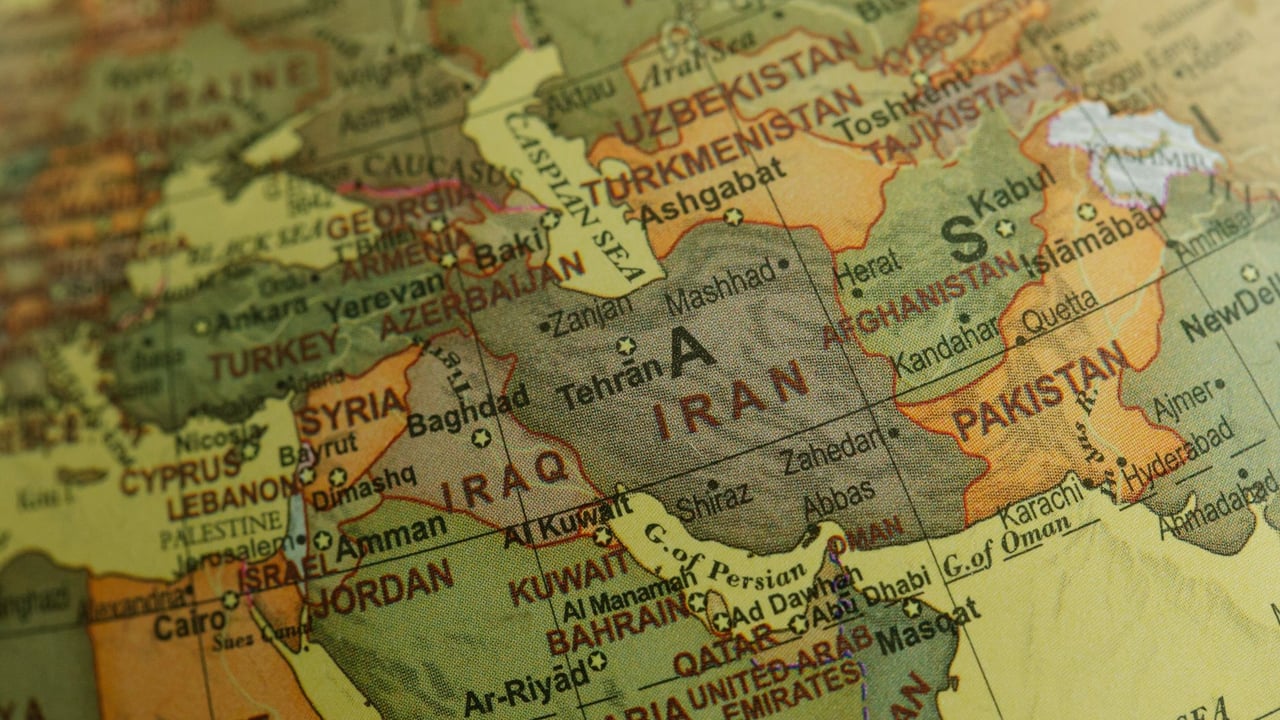

In a high-stakes diplomatic maneuver, Iranian Interior Minister Momeni and his Pakistani counterpart, Mohsin Naqvi, met in Tehran to chart a course for a renewed bilateral relationship. The encounter marks a significant shift in tone for two neighbors whose shared 900-kilometer border has long been a source of friction, marred by cross-border insurgencies and smuggling. At the heart of this meeting was the delivery of a 'special letter' from Pakistan’s top brass—Army Chief General Asim Munir and Prime Minister Shehbaz Sharif—signaling that Islamabad's outreach carries the full weight of its military and civilian establishment.
Economic cooperation emerged as the centerpiece of the new roadmap, with both nations pledging to triple their annual trade from a modest $3 billion to a staggering $10 billion. Achieving such an ambitious target will require navigating a thicket of international sanctions and infrastructure deficits, yet it underscores a mutual desire to prioritize regional connectivity over historical grievances. By tethering their economies together, Tehran and Islamabad hope to create a stabilizing buffer against the volatile security dynamics that have historically defined the Sistan-Baluchestan region.
Security remains the prerequisite for this economic pivot, with both ministers emphasizing a joint front against terrorism and drug trafficking. Recent years have seen tit-for-tat strikes across the border, but the current dialogue suggests a transition toward a formal intelligence-sharing and border-management framework. The focus on 'fraternal relations' is not merely rhetorical; it is a calculated effort to prevent external actors or non-state groups from exploiting the peripheral gaps between the two Islamic republics.
Perhaps most striking was the explicit acknowledgment of Pakistan’s role as a diplomatic bridge between Tehran and Washington. Minister Momeni lauded Islamabad’s efforts in de-escalating tensions between Iran and the United States, positioning Pakistan as a rare interlocutor capable of navigating the complex animosity of the Middle East. As regional crises continue to simmer, this Tehran-Islamabad axis appears to be evolving into a vital node for regional stabilization, driven by a pragmatic realization that neither can afford a hostile neighbor in an already fractured landscape.