
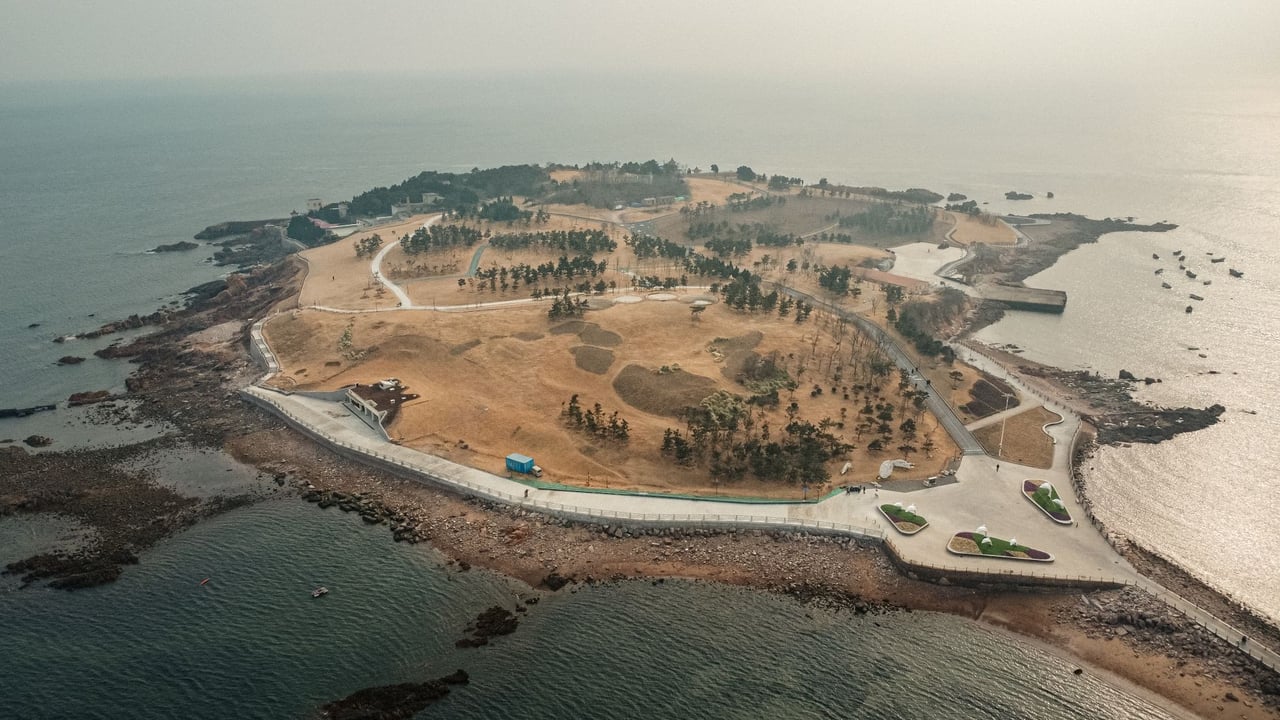

On Heixiazi Island, where the Amur and Ussuri rivers converge, Chinese border guards once measured their success by the endurance of their feet in sub-zero temperatures. Today, the 171-step climb to the East Pole outpost overlooks a landscape transformed by a 'Smart Border' initiative that integrates high-definition surveillance with autonomous response systems. This shift represents more than mere convenience; it is a critical evolution in the People’s Liberation Army’s (PLA) doctrine of tech-driven sovereignty.
Since the island’s partial return to China in 2008, the environmental challenges have remained constant, with winters lasting from October to April and temperatures plunging to minus 40 degrees Celsius. However, the methods of control have undergone a digital revolution. Soldiers who once spent hours tracking footprints in knee-deep snow now deploy 'thunder-vision' integrated platforms that fuse radar data with real-time video to monitor wildlife and potential intruders with equal precision.
The outpost’s 'East Pole Maker Room' highlights a growing trend toward tactical self-sufficiency within the PLA. Recognizing that remote logistics are often paralyzed by extreme weather, soldiers use 3D printing to manufacture drone components on-site, ensuring that patrol assets remain operational without waiting for external supply chains. This 'on-site repair, same-day reuse' policy suggests a military culture that is increasingly comfortable with high-tech maintenance at the edge of the map.
Despite the influx of drones and infrared sensors, the ideological core of the unit remains rooted in the symbolism of its location. As the easternmost point of China, the outpost carries the mantle of 'greeting the sun' for the nation, a metaphor for being the first line of defense. The integration of 21st-century technology with Maoist-era slogans of hardship and dedication illustrates the dual nature of the modern PLA: a force that is technologically ambitious yet traditionally disciplined.
This modernization has also shortened the bridge between detection and response. During recent emergency drills, the unit achieved a deployment time of just over three minutes, a metric they continue to refine. For Beijing, the East Pole outpost serves as a model for 'Intelligentized' border defense, proving that even the most inhospitable environments can be effectively brought under a persistent, digital eye.