
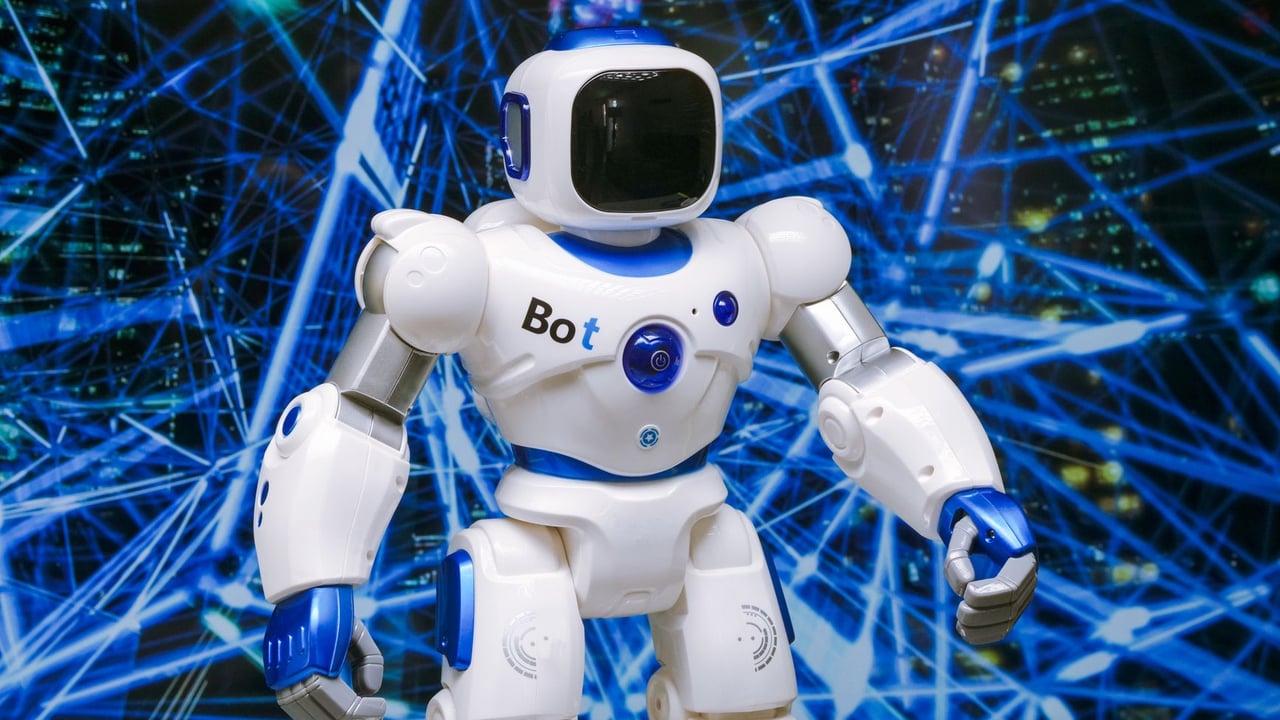

The race for the 'Holy Grail' of robotics has entered a new commercial phase as UBTECH, a pioneer in the Chinese humanoid sector, announced that its latest super-biomimetic robot has secured over 2,110 pre-orders within just six days of its debut. This surge in consumer interest marks a significant pivot from laboratory curiosity to viable market product, suggesting that the era of household humanoid assistants may be arriving sooner than many Western analysts anticipated.
While the industry has long been dominated by high-profile prototypes like Tesla’s Optimus or Boston Dynamics’ Atlas, UBTECH’s 'UWorld' brand is targeting the consumer-grade market with an aggressive focus on biomimetic realism and price accessibility. Reports from the broader Chinese ecosystem indicate that manufacturing efficiencies are driving costs for humanoid units down to levels comparable to high-end home appliances, with some models even dipping below the 10,000 RMB ($1,400) threshold.
This commercial momentum is not occurring in a vacuum. Major Chinese industrial players, including automotive giant BYD, are concurrently pivoting toward humanoid robotics to optimize manufacturing and explore the 'embodied intelligence' blue ocean. The clustering of these firms in tech hubs like Shenzhen provides a unique supply-chain advantage, allowing for rapid iteration of the actuators and sensory hardware required for life-like movement.
However, the path to mass adoption remains fraught with technical and social hurdles. Despite the impressive sales figures, the industry continues to grapple with limited battery life, high maintenance costs, and the 'uncanny valley' effect—where nearly-human robots evoke unease in users. Nevertheless, the scale of pre-orders for UBTECH’s latest model serves as a clear indicator that the Chinese market has an appetite for cyber-companionship and automated domestic labor.