
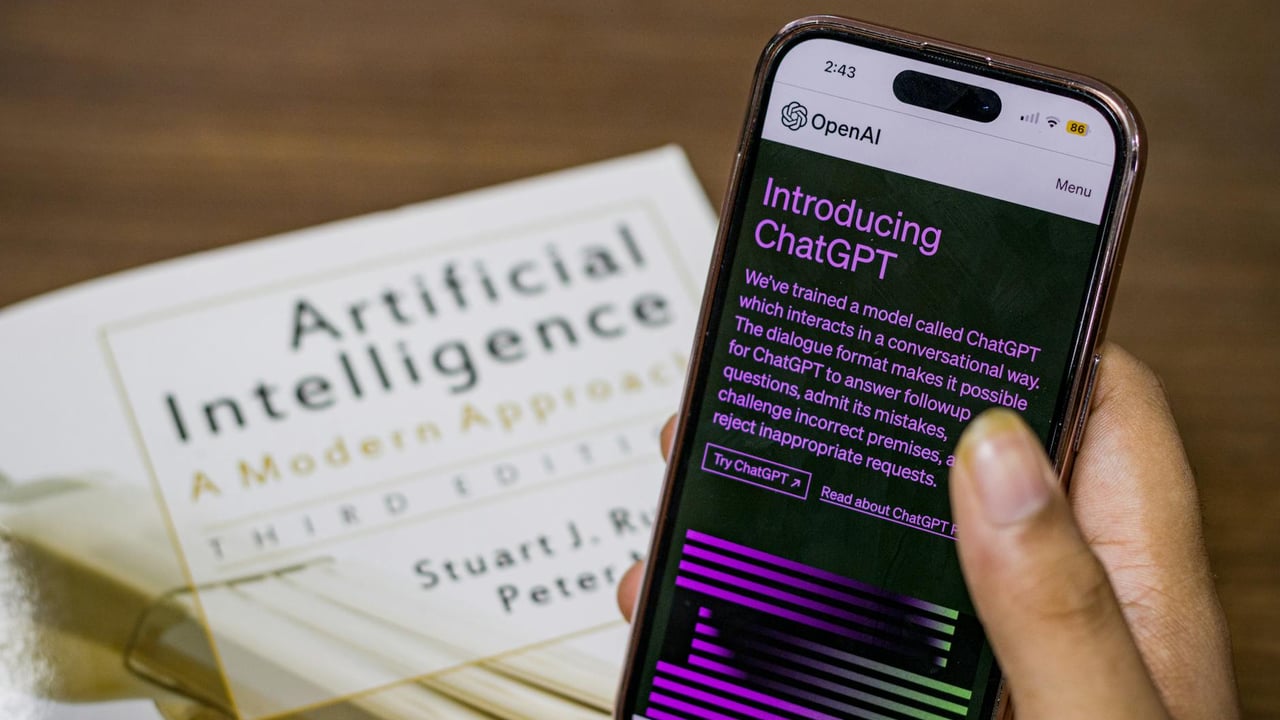

OpenAI is signaling a definitive end to the era of the simple conversationalist. The San Francisco-based firm is reportedly preparing its most significant overhaul of ChatGPT since its 2022 debut, transforming the tool from a reactive chatbot into a proactive "Super App." This strategic shift aims to integrate sophisticated AI agents and coding capabilities directly into the core user experience, marking a transition from answering questions to executing complex tasks.
Internal sentiment within OpenAI has reached a tipping point, with senior employees reportedly declaring that "chat is dead." The company is now reallocating resources toward Codex—the backbone of its programming tools—and autonomous agents capable of managing everything from travel itineraries to software development. By moving toward a task-oriented architecture, OpenAI seeks to provide tangible utility that justifies a premium price point for enterprise clients and power users alike.
This pivot is largely driven by the cold realities of the balance sheet. As OpenAI eyes an eventual public listing, the pressure to secure high-margin revenue streams has intensified. The current model, where most users interact with a free chatbot, is increasingly seen as a gateway rather than the final product. By evolving into a platform that hosts external partners and specialized tools, OpenAI is positioning itself as the central operating system for the AI-driven economy.
The restructuring also reflects an intensifying arms race with rivals like Anthropic, which has seen rapid growth by focusing on the business-to-business sector. By prioritizing professional-grade coding products and administrative agents, OpenAI is directly challenging the notion that AI is merely a search alternative. The upcoming updates, expected to roll out in the coming weeks across web and mobile platforms, will likely define whether OpenAI can maintain its lead as a platform leader rather than just a model provider.