
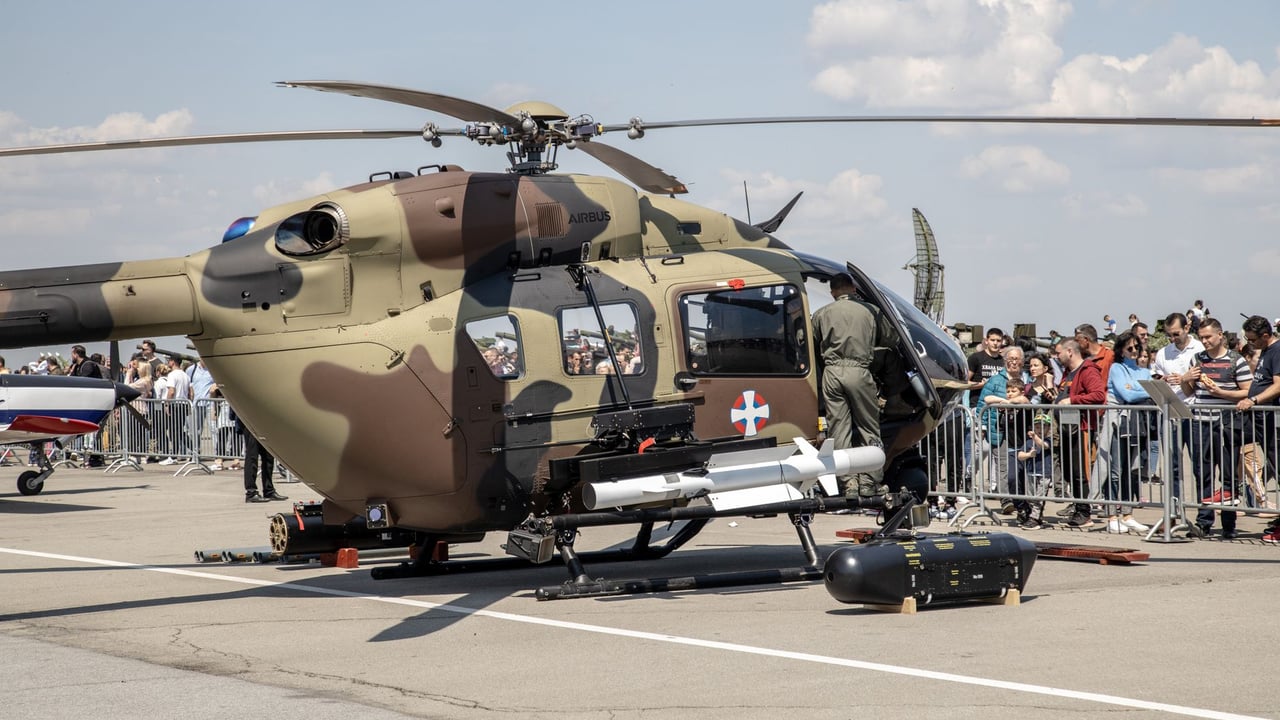

China’s Ministry of State Security has issued a stark warning to the public, cautioning that the high-definition cameras of aviation enthusiasts and defense hobbyists are becoming prime tools for foreign intelligence agencies. In a recent disclosure, the ministry detailed how seemingly innocuous requests for close-up photos of aircraft landing gear or the dimensions of missile models are often the first steps in sophisticated espionage operations.
Foreign operatives are reportedly using 'part-time photography' gigs and 'paid research' incentives to recruit domestic personnel at military and technology exhibitions. These individuals are tasked with capturing specific details, such as the rotation patterns of new radar systems or the riveting on stealth fighter skins, which are then funneled back to overseas intelligence hubs for expert analysis.
The ministry emphasizes that the danger lies in the synthesis of open-source data. While a single photo of a fuselage might appear harmless, the aggregation of such imagery allows foreign analysts to derive critical secrets. For instance, the spacing of rivets and the texture of coatings can reveal the maturity of a nation's stealth material processing, while the distance between landing gear wheels can help foreign powers determine the specific runway requirements for a new carrier-based jet.
This 'jigsaw' approach to intelligence gathering—where disparate pieces of public information are assembled to reconstruct a full weapon system—is a primary concern for Beijing. By comparing models across different years, intelligence agencies can even track the iterative development of a weapon's technology, effectively monitoring China’s military-industrial progress in real-time.
In response to these perceived threats, the government is urging citizens to maintain a high degree of skepticism toward 'unusually enthusiastic' inquiries or high-paying offers for technical photography. Attendees are being reminded that adhering to 'no-photo' signs is not just a matter of exhibition etiquette, but a critical component of national defense in an era where the boundary between civilian curiosity and state security is increasingly blurred.