
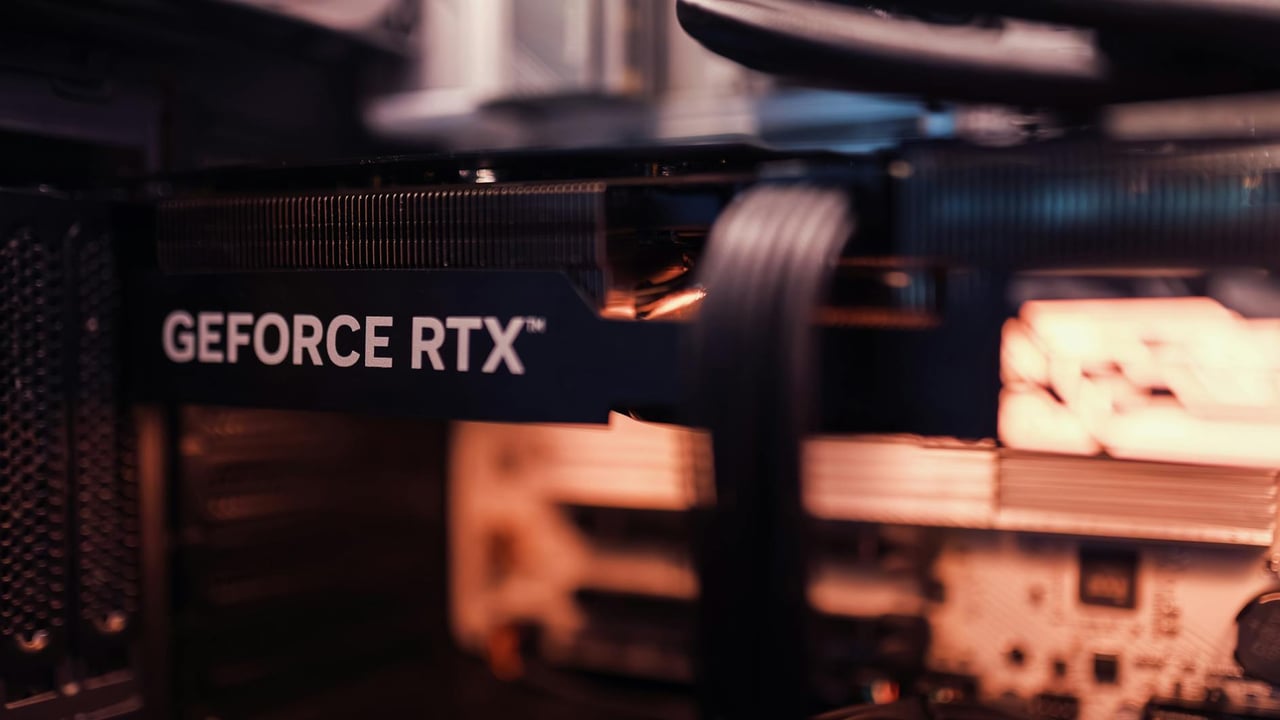

Nvidia CEO Jensen Huang has once again underscored the structural bottlenecks facing the artificial intelligence revolution, warning that the global memory shortage is likely to persist for several years. This projection comes as Nvidia and South Korean memory giant SK Hynix formalize a multi-year technical cooperation agreement. The partnership is designed to co-develop next-generation memory solutions specifically tailored for the burgeoning infrastructure of 'AI factories' and physical artificial intelligence.
At the heart of this alliance is the integration of high-performance memory into Nvidia’s upcoming Vera Rubin supercomputing platform and its revolutionary Vera CPU. Huang noted that the collaboration has already yielded significant results this year, but the scale of operations expected for 2026 and beyond is 'immense.' By deeply integrating SK Hynix’s DRAM directly into the processor architecture, Nvidia aims to overcome the latency issues that have long hampered high-speed AI computations.
The market reaction has been swift, particularly within the Chinese semiconductor ecosystem. Domestic ETFs focused on science and technology chips have seen substantial trading volume, with some funds recording monthly gains exceeding 24%. As global supply remains tight, Chinese investors are increasingly pivoting toward domestic alternatives in industrial gases, specialized chip design, and advanced packaging, betting on a wave of localized innovation to fill the gaps left by the global supply crunch.
This strategic pivot toward long-term technical partnerships suggests that the semiconductor industry is moving away from transactional procurement toward a model of co-engineering. As AI demand shifts from cloud-based software to physical robotics and large-scale industrial infrastructure, the underlying hardware—specifically high-bandwidth memory—has become the most contested territory in the global tech race. For now, the Nvidia-SK Hynix duo appears to be building a formidable gate around the necessary resources for the next era of compute.