
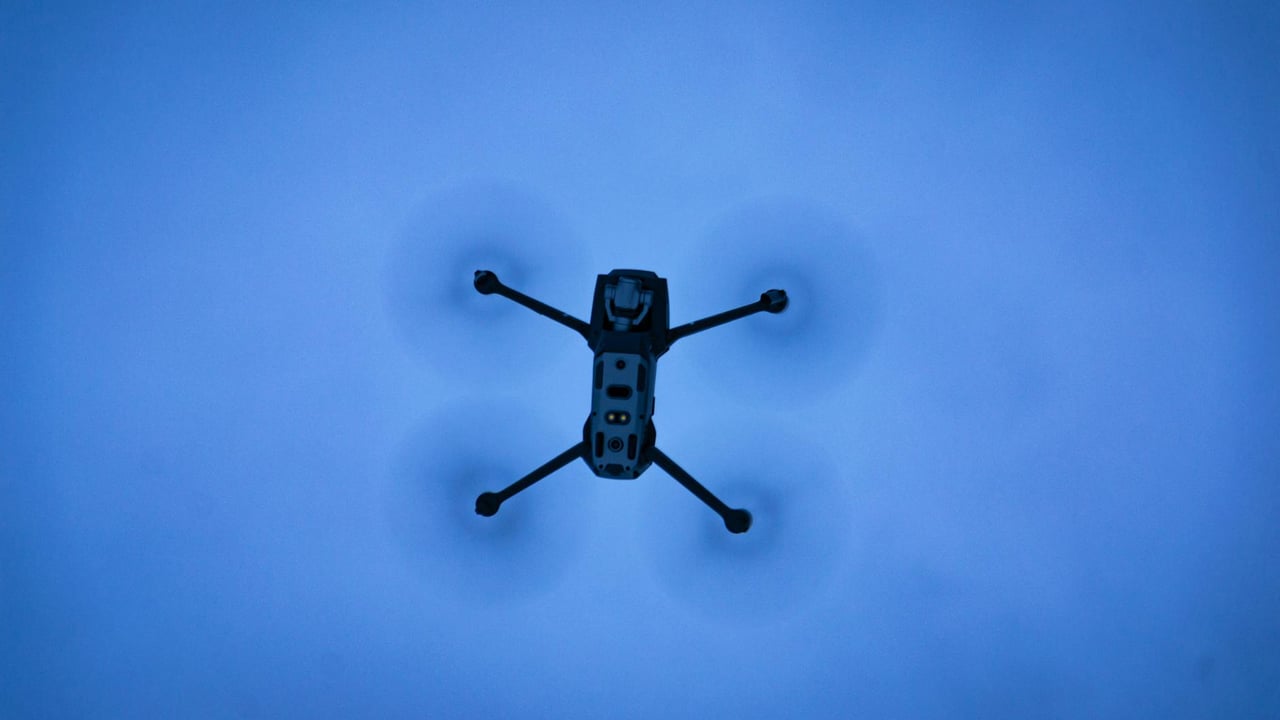

The dream of urban air mobility, long confined to science fiction and high-budget prototypes, is entering a critical phase of industrialization in China. At the heart of this transition is the push for 'flying cars'—formally known as electric Vertical Take-Off and Landing (eVTOL) aircraft—to achieve the trifecta of safety, endurance, and economic viability. While current models rely heavily on traditional liquid lithium-ion batteries, the industry is now pivoting toward solid-state battery (SSB) technology to overcome the inherent limitations of aviation at scale.
Solid-state batteries represent a generational leap in energy storage, replacing the flammable liquid electrolytes found in standard batteries with solid components. This shift is not merely a technical preference; it is a fundamental requirement for airworthiness. The absence of volatile liquids significantly reduces the risk of fire and thermal runaway, allowing these aircraft to meet the stringent safety standards required for flight over densely populated urban centers.
China’s progress in this field was recently underscored by a successful test flight across the Qiongzhou Strait. A flying car equipped with a high-energy-density solid-state battery completed the crossing, proving that the technology is capable of handling the high power demands and sustained output necessary for maritime transit. This milestone marks a transition from laboratory experiments to real-world operational validation, signaling that the supply chain is maturing.
However, the path to commercial dominance remains paved with challenges, primarily regarding the 'flight economy.' While SSBs offer superior safety and energy density, their current cycle life must be significantly extended to make the cost-per-flight competitive with traditional transport. As Chinese battery giants and aerospace startups race from pilot lines to mass production, the ability to scale while maintaining battery longevity will determine which players dominate the emerging low-altitude market.