
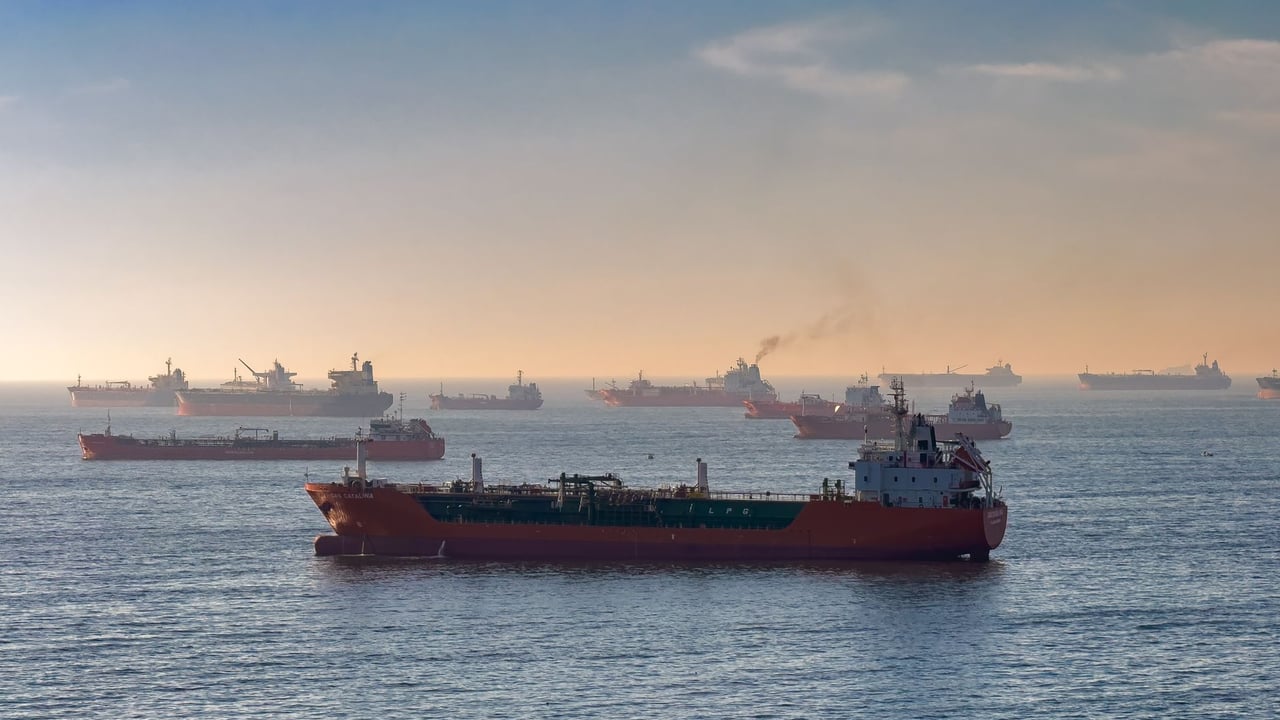

Two months after the April 8 ceasefire was heralded as a breakthrough, the Persian Gulf remains a theater of active combat rather than a zone of de-escalation. Despite ongoing negotiations in Pakistan, the recent exchange of fire—ranging from US strikes on Iranian surveillance facilities to Iranian retaliations against American bases in Kuwait and Bahrain—underscores a fundamental lack of trust. The fragile truce is buckling under the weight of tactical skirmishes and a deepening diplomatic rift that has already led to the expulsion of Iranian diplomats from Kuwait.
The core of the diplomatic paralysis lies in a $24 billion dispute over frozen Iranian assets. Tehran views the unfreezing of these funds and the lifting of sanctions as the non-negotiable price for reopening the Strait of Hormuz to global shipping. Conversely, the Trump administration’s reported plan to redirect these assets to Gulf allies for reconstruction costs represents a strategic pivot that Tehran views as a declaration of continued economic warfare, threatening to scuttle the Pakistan talks entirely.
Strategic observers argue that the American negotiating position is plagued by internal inconsistency and significant Israeli influence. Israel’s maximalist goals—which include total regime change and the complete dismantling of Iran’s nuclear and missile infrastructure—are viewed by many analysts as unattainable through either diplomacy or the current military campaign. Yet, these goals continue to dictate the boundaries of Washington’s maneuvering, often dragging the U.S. back into escalatory cycles that the White House ostensibly wishes to exit.
This friction is forcing a historic realignment among Gulf monarchies and regional powers like Saudi Arabia, Turkey, and Pakistan. Realizing that American security guarantees are increasingly volatile and influenced by Israeli interests, these nations are seeking a more autonomous path. This "New Middle East" is characterized by a pragmatism that prioritizes domestic stability and the security of energy transit over the formation of rigid, U.S.-led ideological blocs. The prospect of expanding the Abraham Accords has dimmed as regional players focus on containing the conflict rather than normalizing relations with an aggressive Israel.
For President Trump, the stakes are as much domestic as they are geopolitical. With midterms approaching, the economic fallout of a restricted Hormuz Strait and the resulting energy crisis is a political liability the administration can ill afford. However, the administration’s pattern of escalating to the brink before retreating suggests a lower threshold for pain than that of the Iranian leadership. While Tehran is battered by sanctions and the loss of key leaders, its institutional resilience and willingness to use its "chokepoint" leverage suggest that a quick, clean diplomatic victory for Washington remains a distant mirage.