Brinkmanship in the Levant: Trump Maneuvers to Save Iran Deal Amidst Missile Exchange

President Trump has intervened in the escalating conflict between Iran and Israel, urging both sides to de-escalate to preserve a potential diplomatic breakthrough. He specifically warned Israel against retaliation and pressured Iran to return to the negotiating table for a final agreement he claims is nearly finished.

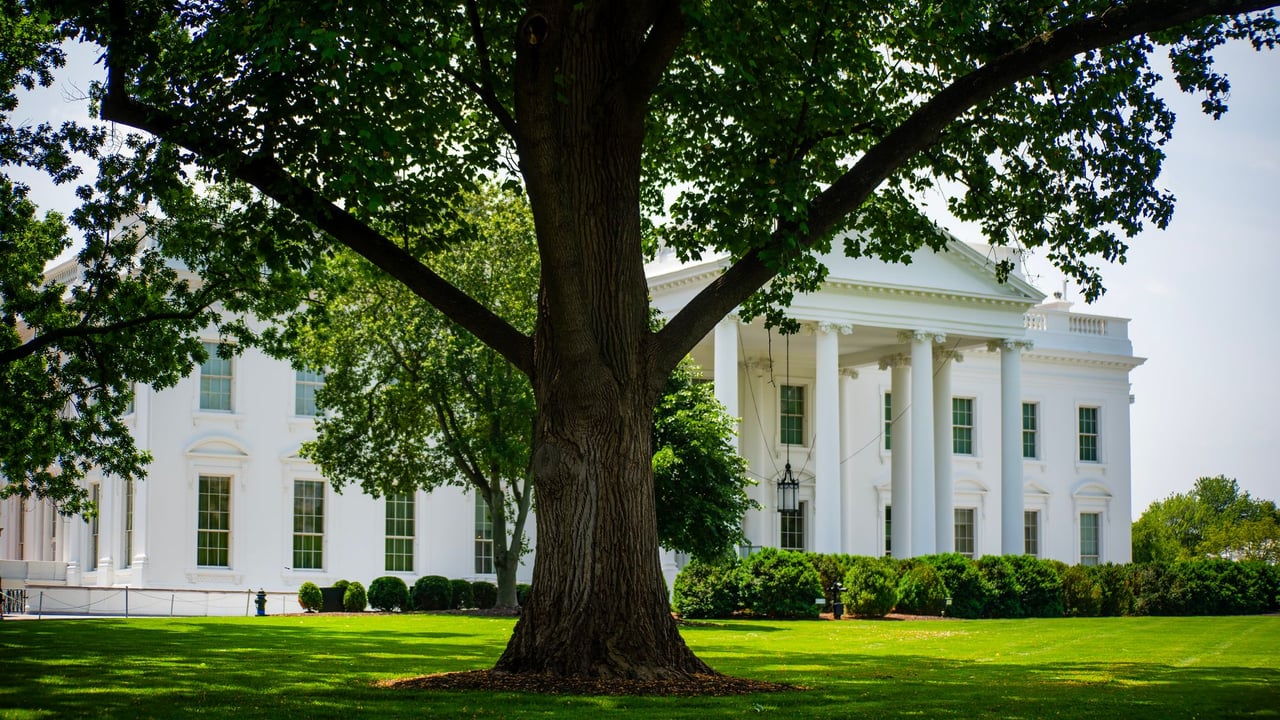
A view of the White House with lush greenery on a summer day, featuring a prominent tree.

Key Takeaways

  • 1Iran launched a missile strike against Israel, prompting U.S. forces to enter a state of high alert.
  • 2President Trump is pressuring Iran to cease hostilities and finalize a diplomatic agreement he claims is nearly complete.
  • 3Trump expressed explicit displeasure with Israel’s military actions in Beirut, urging Prime Minister Netanyahu against further retaliation.
  • 4The U.S. administration fears that regional escalation will destroy a fragile, imminent peace deal between Washington and Tehran.

Editor's
Desk

Strategic Analysis

Trump’s response highlights a significant shift in the traditional U.S.-Israel alliance, prioritizing a personal diplomatic legacy over reflexive support for Israeli military maneuvers. By publicly rebuking Netanyahu’s Beirut operation and claiming a deal with Iran is 'imminent,' Trump is attempting to freeze the conflict through sheer political will. This strategy carries immense risk: if the deal fails to materialize or Iran continues its aggression, the administration faces a collapse of credibility that could lead to a broader regional conflagration. The 'transactional' nature of this diplomacy suggests that the U.S. is willing to trade regional security guarantees for a landmark nuclear or political accord with its long-term rival in Tehran.

China Daily Brief Editorial
Strategic Insight
China Daily Brief

President Donald Trump has moved to assert American influence over a rapidly deteriorating security situation in the Middle East, calling for restraint from both Tehran and Jerusalem. Following a missile barrage launched by Iran toward Israel on June 7, the President confirmed that U.S. forces are on high alert while emphasizing that further escalation serves no strategic purpose for any party involved.

In a characteristically transactional appeal, Trump urged Iranian leadership to return to the negotiating table, suggesting that their military display had reached its limit of utility. He framed the recent hostilities as a hurdle to a comprehensive diplomatic agreement which he described as being "within reach," signaling that a grand bargain remains his primary objective in the region.

The President’s message was not reserved for adversaries alone; he expressed blunt dissatisfaction with Israel’s recent strikes on Beirut. Trump indicated he would communicate directly with Prime Minister Benjamin Netanyahu to discourage a retaliatory cycle that could derail months of sensitive back-channel diplomacy aimed at stabilizing the Persian Gulf and the Levant.

This high-stakes intervention reflects a continuation of Trump’s diplomacy, which prioritizes direct deal-making over protracted military entanglements. By signaling that a final accord with Iran is imminent, the administration is betting that the promise of economic reintegration will outweigh the escalatory pressures currently gripping the region’s military commanders.

Share Article

Related Articles

📰
No related articles found