
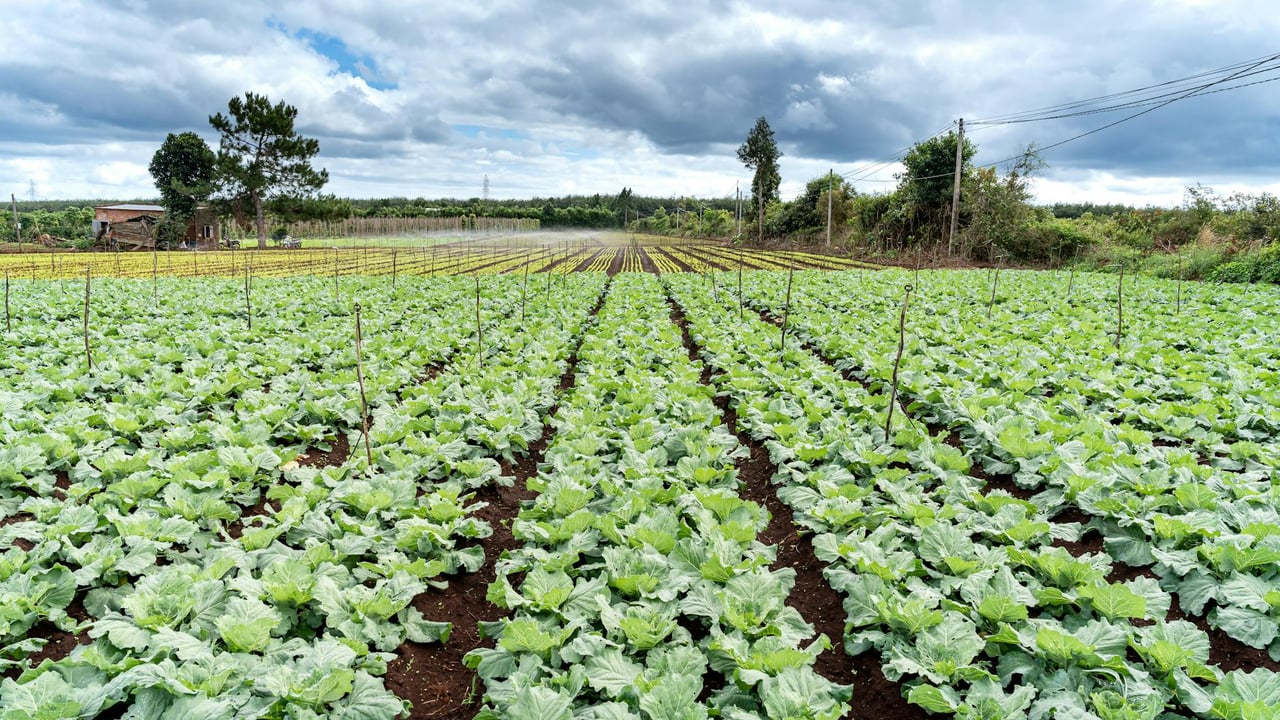

China has unveiled the results of its five-year 'Black Soil Granary' science and technology offensive, a massive state-led initiative designed to halt the degradation of its most fertile lands. Launched in 2021 by the Chinese Academy of Sciences (CAS), the campaign marks the most significant agricultural intervention since the 1980s, focusing on the country’s northeastern 'black soil' region, which produces one-fourth of China’s grain. This strategic move aligns with Beijing’s 'Hidden Grain in Land and Technology' doctrine, treating soil health as a matter of top-tier national security.
For decades, the northeast has faced a crisis of soil 'thinning, leanness, and hardening,' the byproduct of intensive farming that threatened long-term yields. The CAS-led mission, involving 98 institutions, has successfully mapped these changes and developed localized restoration models such as the 'Lishu 2.0' and 'Longjiang' systems. These models have already demonstrated a 0.25% to 0.70% increase in soil organic matter and an 80% reduction in soil erosion across critical demonstration zones, signaling a shift from raw extraction to sustainable stewardship.
Beyond soil chemistry, the campaign’s technological centerpiece is the 'Honghu' series of third-generation smart agricultural machinery. With a localization rate for key components exceeding 90%, these machines represent a significant step toward technological self-reliance. The series features 400-horsepower electric motors with efficiency levels exceeding global benchmarks and an edge computing platform capable of millisecond response times in complex field scenarios, effectively digitizing the harvest.
The initiative has scaled rapidly, with core technology now influencing over 540 million mu (approx. 36 million hectares) of farmland. This expansion has led to a measurable 5.2% increase in grain yields in demonstration areas, providing a blueprint for the province of Jilin’s goal to reach a 100-billion-jin grain production capacity. By integrating satellite mapping with localized soil management and high-tech hardware, China is building a defensive perimeter around its food supply chain.