Beijing’s 'Gray Zone' Tightens: Maritime Enforcement Moves East of Taiwan

China has initiated a specialized maritime law enforcement operation in the waters east of Taiwan, marking a significant push to normalize its presence on the island's Pacific side. This maneuver utilizes civilian-led enforcement to assert jurisdictional control while avoiding the political optics of direct military escalation.

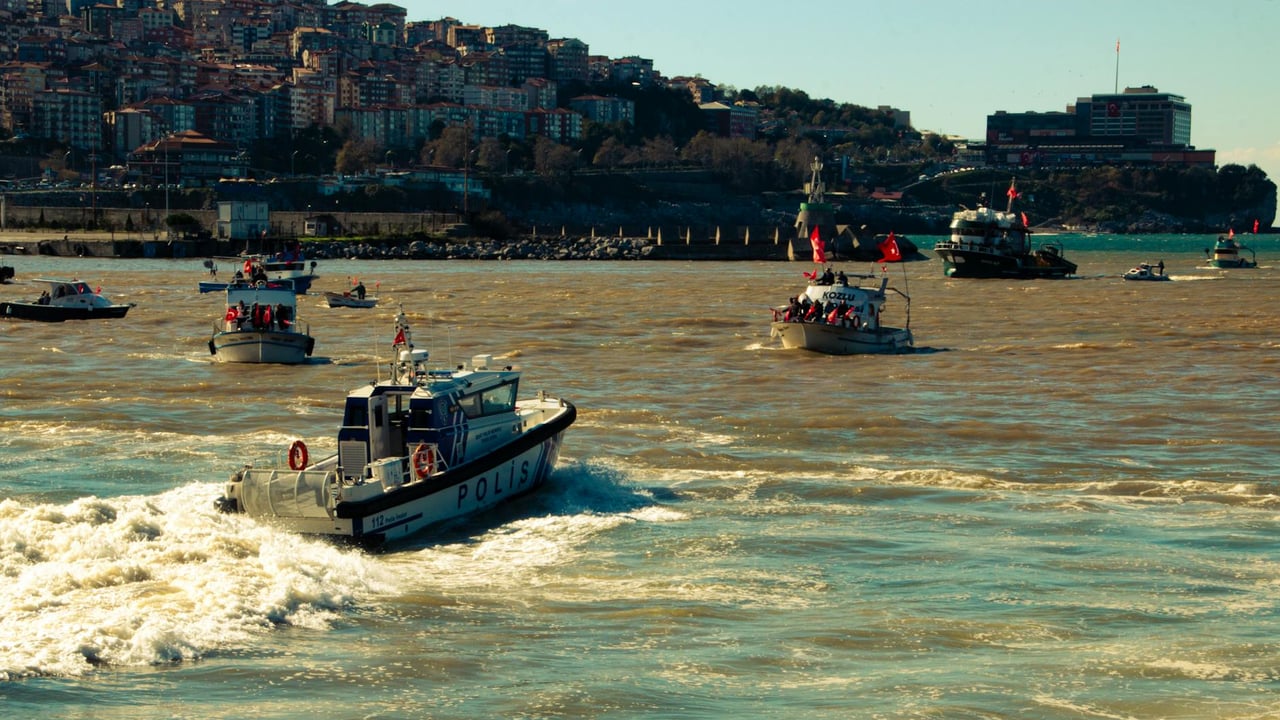
Multiple patrol boats navigate a scenic harbor, showcasing coastal urban life under clear skies.

Key Takeaways

  • 1Beijing has deployed maritime law enforcement vessels to the waters east of Taiwan, a region previously less frequented by such patrols.
  • 2The operation is framed as a 'special traffic enforcement action,' emphasizing China's claim of domestic jurisdiction over the area.
  • 3The move targets Taiwan's strategic eastern coast, which is vital for the island's defense and international access.
  • 4This represents an evolution of 'gray zone' tactics, using non-military assets to achieve strategic encirclement.

Editor's
Desk

Strategic Analysis

The pivot to the east of Taiwan is the final piece in Beijing's strategy of functional encirclement. While large-scale military drills grab global headlines, it is the persistent, low-level presence of 'white-hulled' law enforcement vessels that effectively erodes sovereignty over time. By asserting the right to regulate maritime traffic in these waters, China is building a 'lawfare' foundation to eventually restrict foreign naval access and squeeze Taiwan's strategic depth. This constabulary approach is notoriously difficult for the U.S. and its allies to counter without appearing as the aggressor, granting Beijing a significant psychological and tactical advantage in the long-term struggle for control of the Western Pacific.

China Daily Brief Editorial
Strategic Insight
China Daily Brief

The latest maneuvers by Chinese maritime authorities in the waters east of Taiwan represent a calculated expansion of Beijing’s jurisdictional claims. By deploying special law enforcement vessels to the island’s Pacific side, the People’s Republic of China is signaling that no part of the surrounding waters is beyond its administrative reach. This shift from the western Taiwan Strait to the rugged eastern coast targets what has historically been Taiwan’s more secure flank.

Beijing’s strategy increasingly relies on gray zone tactics—actions that fall just below the threshold of open military conflict but serve to alter the status quo. By utilizing maritime safety and law enforcement vessels rather than the People’s Liberation Army Navy, China frames these operations as routine domestic policing. This approach complicates the response for both Taipei and its international partners, as opposing law enforcement actions risks appearing as an escalation of violence.

The timing and location of these operations are particularly strategic. The deep waters east of Taiwan are critical for the island’s naval survival and serve as the primary route for potential Western intervention or resupply during a crisis. Establishing a permanent enforcement presence here allows Beijing to monitor traffic, gather intelligence, and potentially implement quarantine measures under the guise of maritime safety.

Furthermore, these actions are part of a broader normalization campaign. By making such patrols a regular occurrence, Beijing aims to exhaust Taiwan’s maritime resources and desensitize the international community to its presence. As these operations become the new baseline, the distinction between territorial waters and international shipping lanes continues to blur in the Western Pacific.

Share Article

Related Articles

📰
No related articles found