
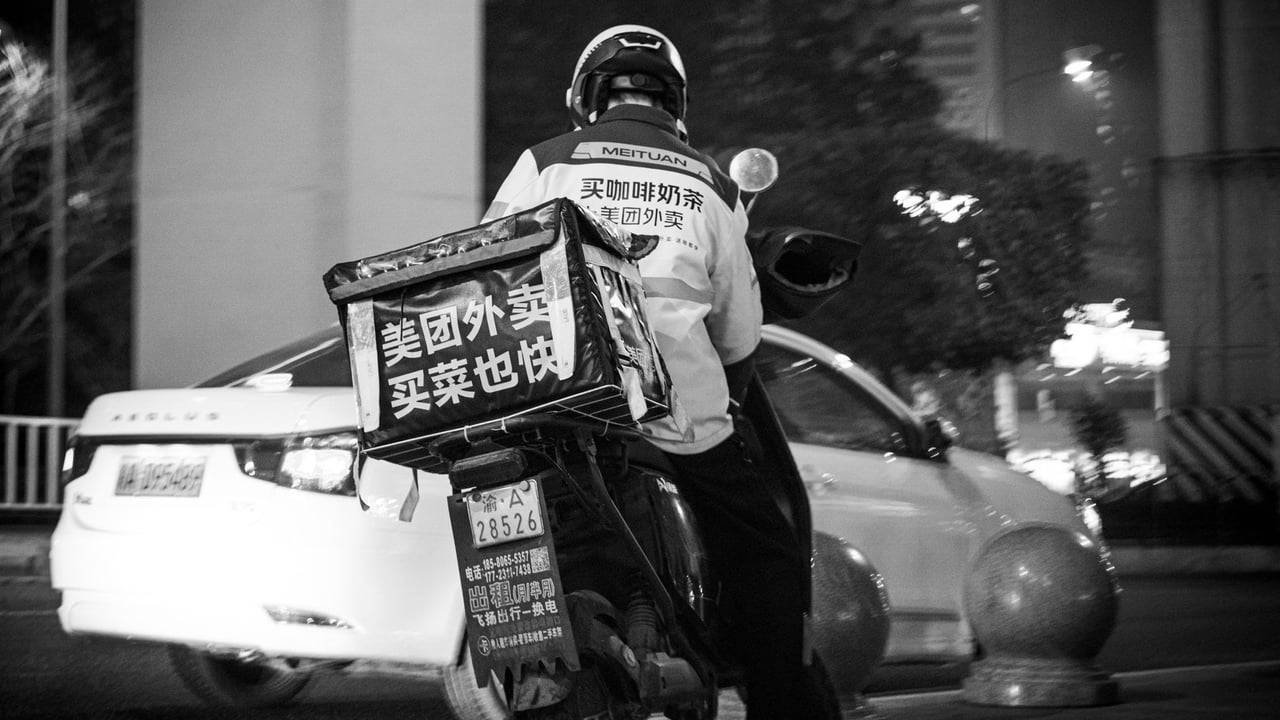

The battle for dominance in China’s generative AI landscape has moved beyond large language models to the functional 'Agent' layer. In a significant shift for the country’s digital services sector, Meituan has officially integrated into Tencent’s WeChat AI ecosystem. This partnership allows users to summon Meituan’s local life services, such as food delivery and hotel bookings, directly through WeChat’s AI Agents, streamlining the transition from natural language conversation to commercial transaction.
Meituan CEO Wang Xing has characterized this evolution as the 'To A' (To Agent) era. While the previous decade was defined by 'To C' (Consumer) and 'To B' (Business) strategies, Wang argues that serving autonomous AI agents is now a critical pillar of growth. By making its services 'agent-readable,' Meituan aims to ensure its platform remains the default choice for automated assistants that will eventually handle complex scheduling and purchasing tasks for humans.
On the technical front, Meituan is backing this integration with its proprietary 'LongCat-2.0-Preview' model. This large language model features parameters exceeding one trillion and, notably, was trained and deployed entirely on domestic Chinese computing clusters. This highlights a growing trend among Chinese tech giants to achieve self-sufficiency in AI infrastructure amidst ongoing global trade tensions and hardware restrictions.
This alliance strengthens the long-standing 'Tencent-Meituan' axis against rising challenges from ByteDance’s Doubao and Alibaba’s ecosystem. By turning WeChat—already China’s ubiquitous 'super app'—into a hub for AI Agents, Tencent is attempting to preemptively capture the next generation of internet traffic. For Meituan, the collaboration provides a high-frequency entry point for its AI-driven assistants, 'Xiao Tuan' and 'Xiao Mei,' to assist users in high-complexity decision-making across varied life scenarios.