

The race toward 6G telecommunications faces a formidable physical barrier: the higher frequencies required for ultra-fast data speeds struggle to penetrate solid objects. Unlike 4G or 5G, the sub-terahertz waves planned for 6G are easily blocked by walls, buildings, and even foliage, creating persistent "dead zones" in urban environments and deep indoors. A potential solution has emerged from Finland’s Aalto University, where researchers have developed a novel "meta-crystal" panel designed to guide these signals around obstacles.
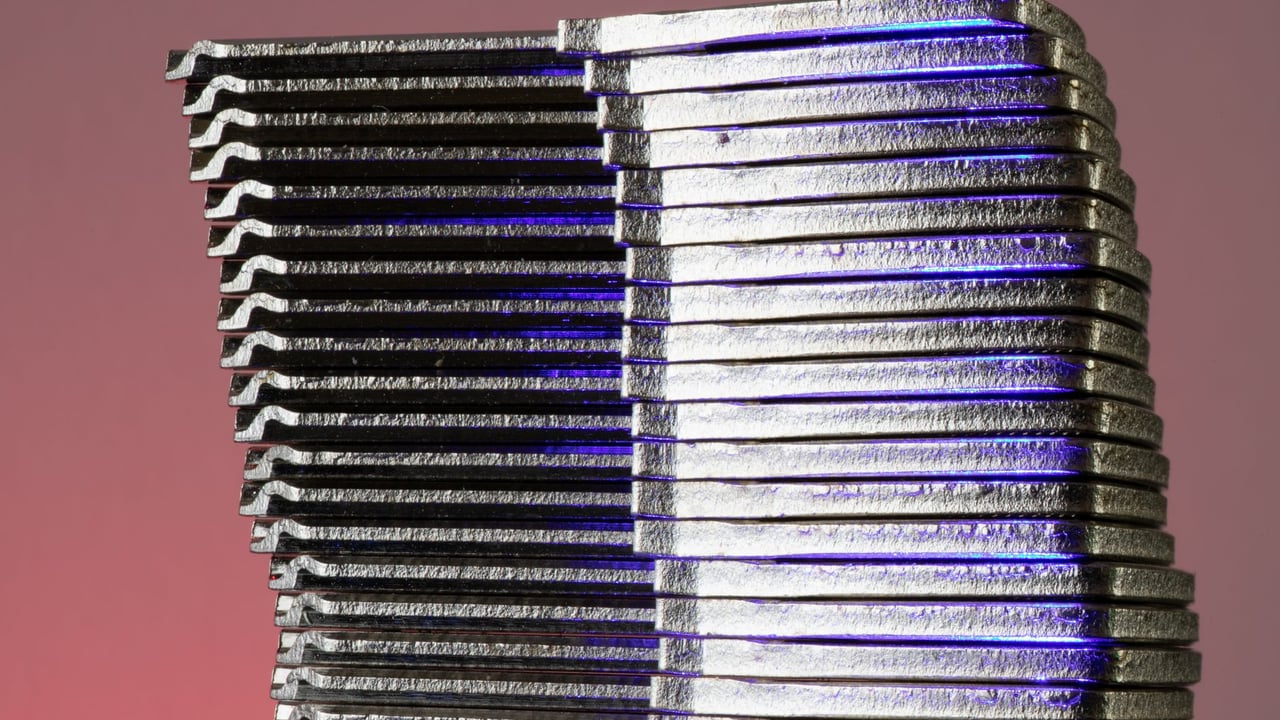
Unlike traditional signal boosters or repeaters that require complex electronics and a constant power source, these meta-crystals are entirely passive. Produced through 3D printing, the panels function similarly to a mirror reflecting light, but for radio waves. By strategically placing these low-cost surfaces in basements, tunnels, or around the corners of large buildings, network operators can steer wireless signals into previously unreachable areas without the need for expensive infrastructure upgrades.
This breakthrough, recently detailed in the journal Nature Communications, leverages the unique properties of metamaterials to manipulate electromagnetic waves. The panels are engineered with precise microscopic structures that dictate how waves interact with the surface, allowing for highly efficient reflection with minimal signal loss. This eliminates the "line-of-sight" requirement that has long been considered the Achilles' heel of high-frequency wireless communication.
As global players like China, the United States, and the European Union vie for 6G dominance, the cost of deployment remains a primary concern for the industry. The ability to manufacture these panels via 3D printing suggests a scalable and economically viable path for expanding network coverage. By turning the physical environment itself into an intelligent participant in signal propagation, the technology could significantly lower the carbon footprint and capital expenditure associated with future network rollouts.