Stretching the Shield: Israel Intercepts Houthi Missile as Regional Tensions Reach a Fever Pitch

The IDF successfully intercepted a missile launched from Yemen, prompting a declaration of full combat readiness across all military sectors. The incident highlights the persistent threat posed by Houthi long-range capabilities and Israel's ongoing efforts to maintain deterrence through high-tech defense and strategic signaling.

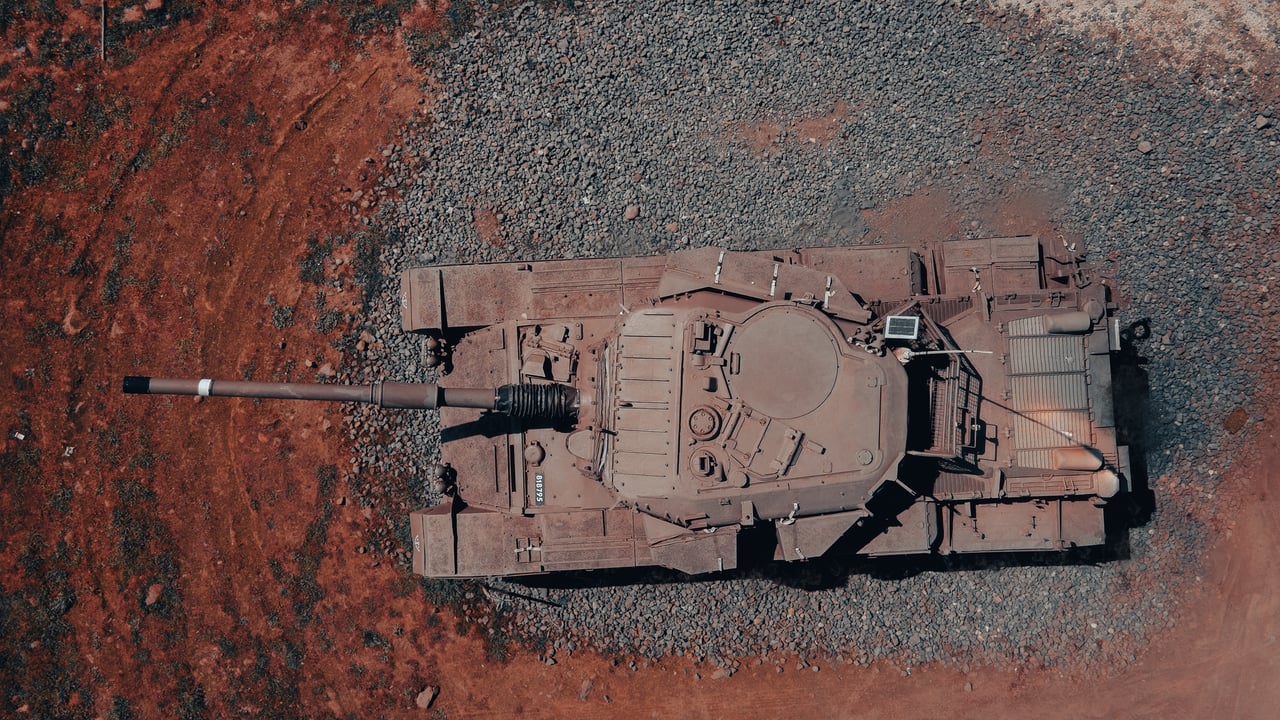
Aerial shot of a military tank parked on rugged terrain captured by drone.

Key Takeaways

  • 1Israel intercepted a ballistic missile launched from Yemen, preventing any reported casualties or damage.
  • 2The IDF has officially declared a state of 'full combat readiness' in response to the continued threat from the south.
  • 3Houthi militants continue to utilize Iranian-backed drone and missile technology to bypass regional security measures.
  • 4Israeli military leadership is emphasizing an 'all-theater' approach to defense, signaling potential retaliatory capabilities.
  • 5The incident underscores the economic and strategic strain of a protracted long-range aerial conflict.

Editor's
Desk

Strategic Analysis

The latest interception over Israel is a testament to the maturation of the 'Ring of Fire' strategy employed by regional adversaries, where distance is neutralized by asymmetric technology. While Israel’s 'Arrow' and 'David’s Sling' systems remain technically superior, the Houthis are winning a war of attrition by forcing Israel into an unfavorable cost-exchange ratio. The IDF’s statement regarding 'all fields' suggests that Israel may be preparing for more direct kinetic responses against Houthi infrastructure to break the cycle of harassment, moving beyond a purely reactive defensive posture which has characterized much of the Red Sea theater over the past year.

China Daily Brief Editorial
Strategic Insight
China Daily Brief

Israel’s multi-layered air defense network was thrust into action once again as a ballistic threat emerged from the south, marking a significant escalation in the ongoing aerial campaign waged by Yemen-based Houthi militants. The Israel Defense Forces (IDF) confirmed the successful interception of a missile launched toward its territory, reinforcing the reality that the geographical distance between Sana'a and Tel Aviv is no longer a safeguard in a region defined by precision-guided proxy warfare.

In the immediate aftermath of the interception, the IDF issued a stark declaration of 'full combat readiness,' signaling a high-alert status that extends across all operational theaters. This rhetorical posture is designed to project strength and deter further incursions, specifically addressing the persistent 'headache' caused by the Houthi’s use of sophisticated drone and missile technology that has frequently challenged Israeli and American defenses in the Red Sea corridor.

The Israeli military's emphasis on its preparedness to 'strike any threat' reflects a strategic shift toward a more holistic defensive doctrine. By publicizing its interception capabilities and operational resolve, Israel aims to reassure a domestic population fatigued by constant sirens while sending a clear message to the 'Axis of Resistance' that its defensive perimeter remains unbreached despite the increasing frequency of long-range attacks.

As the conflict evolves, the Houthis have successfully demonstrated their ability to sustain a high-tempo campaign of harassment that forces Israel to expend expensive interceptor missiles against relatively low-cost threats. This economic and logistical friction remains a central challenge for Israeli planners, who must balance the immediate need for defense with the long-term sustainability of their sophisticated air defense stockpiles in a multi-front war scenario.

Share Article

Related Articles

📰
No related articles found