The Dual-Track Doctrine: Iran Signals Diplomatic Openings Amid Direct Military Exchange with Israel

Iranian President Masoud Pezeshkian has stated that Tehran remains open to negotiations even as it maintains its military readiness following direct strikes with Israel. The Iranian military has announced a conditional halt to its current operations, warning of further escalation if Israeli actions in Lebanon continue.

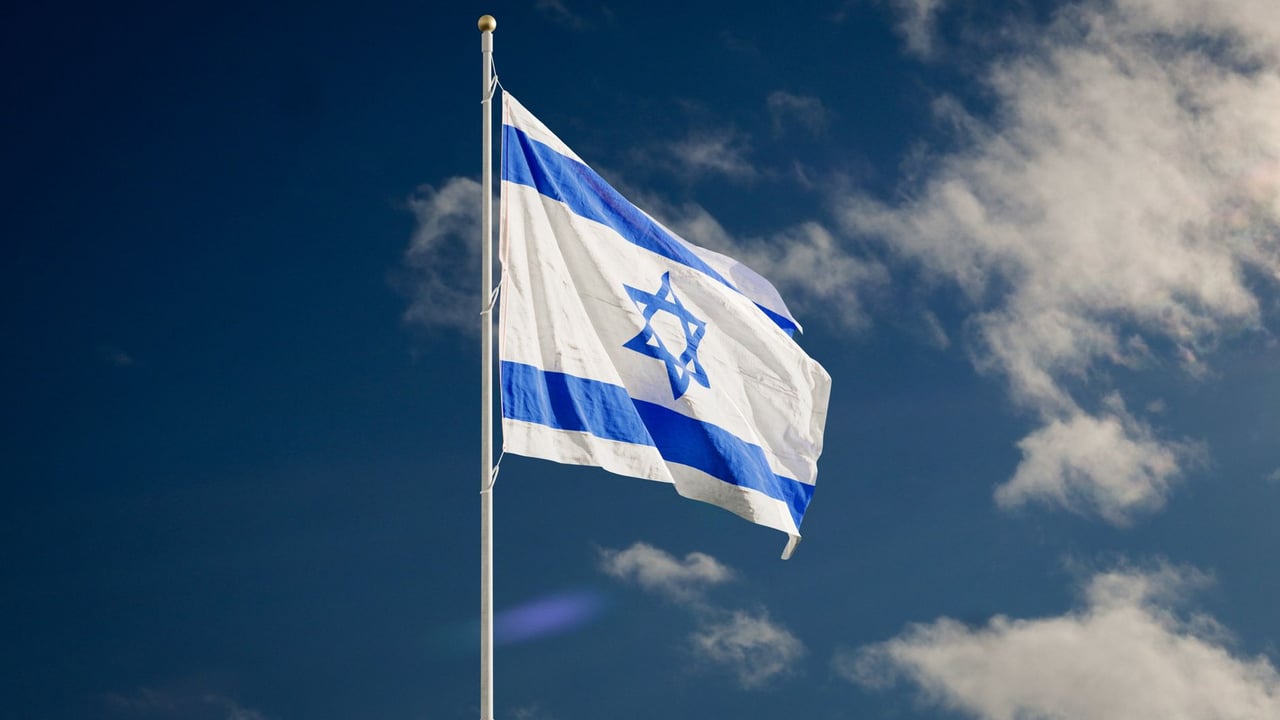
The Israeli national flag waving against a clear blue sky with clouds.

Key Takeaways

  • 1President Pezeshkian emphasized that Iran has not abandoned the negotiating table with the U.S. despite the military flare-up.
  • 2Iran defines its national strength through a dual-pillar strategy of diplomacy and defense.
  • 3The recent conflict involved direct strikes on Iranian soil following Iranian missile barrages against Israel.
  • 4The Iranian military has declared its current retaliatory operations over, provided Israel halts operations in South Lebanon.
  • 5Tehran is attempting to balance its commitment to the 'Axis of Resistance' with a need for domestic economic and security stability.

Editor's
Desk

Strategic Analysis

Pezeshkian’s 'battlefield and negotiating table' rhetoric is a sophisticated attempt to reclaim the narrative from the security apparatus. For the international community, the most significant takeaway is that the Iranian executive branch is desperate to prevent the current conflict from foreclosing diplomatic channels with the West. However, the caveat remains that the Iranian President’s influence over the Islamic Revolutionary Guard Corps (IRGC) is limited. While Pezeshkian talks of diplomacy, the military’s explicit link between Lebanese stability and Iranian direct strikes suggests that the regional proxy war and the direct state-on-state conflict have now become inextricably linked. This 'strategic ambiguity' allows Tehran to save face after Israeli strikes while keeping a window open for de-escalation if the U.S. provides a viable off-ramp.

China Daily Brief Editorial
Strategic Insight
China Daily Brief

Following a volatile weekend of direct missile exchanges between Tehran and Jerusalem, Iranian President Masoud Pezeshkian has articulated a calibrated strategy of 'active resistance.' Speaking via social media, the president asserted that while the Islamic Republic remains ready for the battlefield, it has not abandoned the 'negotiating table.' This rhetorical balancing act aims to project strength to domestic hardliners while signaling to the international community that Tehran seeks to avoid an all-out regional conflagration.

The recent escalation follows a predictable but dangerous pattern of tit-for-tat strikes that have expanded across borders. After Israeli air strikes targeted Beirut’s southern suburbs, Iran responded with multi-wave missile barrages directed at Israeli territory. The subsequent Israeli retaliation, which focused on military installations in western and central Iran, has brought the two adversaries into a rare state of direct confrontation, bypassing the traditional proxy-led 'shadow war' that has defined the region for decades.

Pezeshkian’s emphasis on diplomacy and defense as the 'two pillars' of national power highlights the internal pressures facing his administration. As a self-described reformer, he must prioritize national security and public stability—both of which are threatened by the economic toll of isolation and the physical threat of war. By mentioning the negotiating table, he is likely keeping a door open for future discussions with Washington regarding sanctions relief and regional de-escalation.

Simultaneously, the Iranian military has signaled a conditional pause in hostilities. The Khatam al-Anbiya Central Headquarters announced that its current cycle of operations has reached a conclusion, having delivered what it termed a 'severe lesson' to Israel. However, this cessation is fragile, tied explicitly to Israeli behavior in South Lebanon. Tehran has warned that any further 'crimes' or aggression in the Lebanese theater will trigger significantly more destructive measures from the Iranian side.

Share Article

Related Articles

📰
No related articles found