
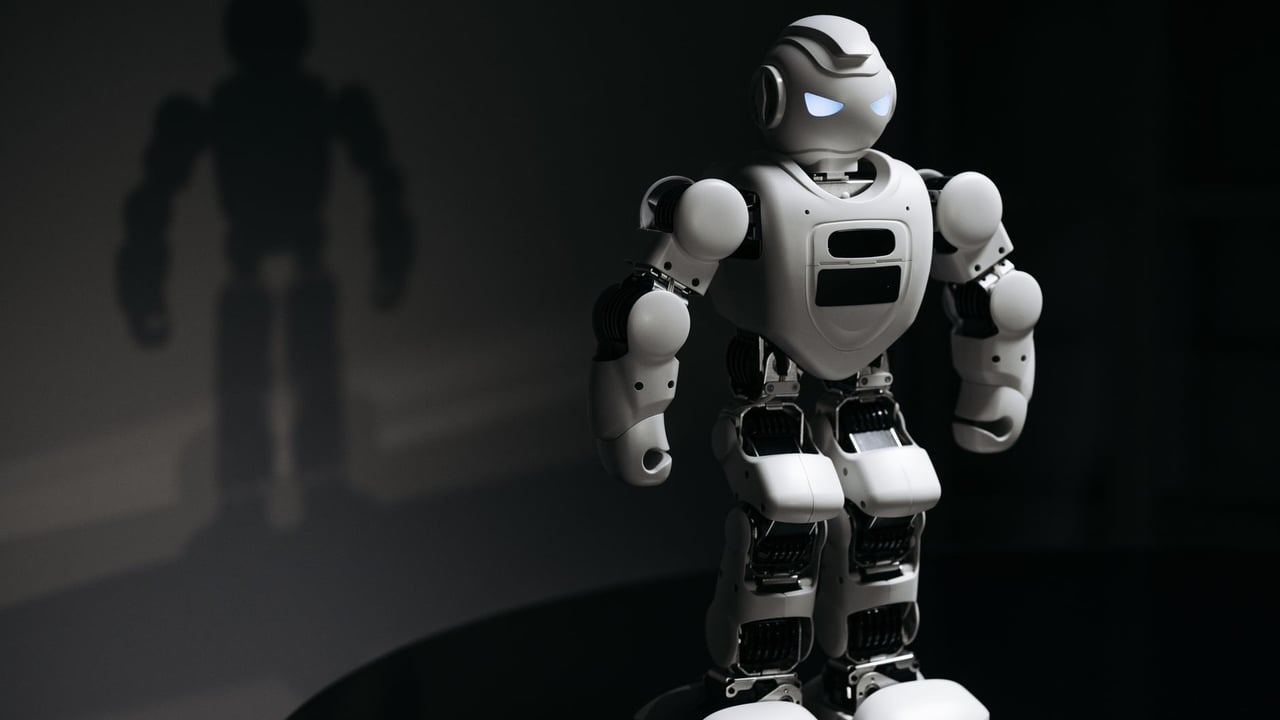

The digital storefronts of JD.com recently featured an unconventional addition to the world of high-end robotics: a lifelike, 168-centimeter-tall 'female' humanoid. Developed by UBTECH, China’s first publicly traded humanoid robot firm, the 'U-World' series offers full-scale male and female models equipped with 88 degrees of freedom and Wi-Fi connectivity. While the technical specifications are impressive, the marketing is what has truly captured the public's imagination, specifically labeling the product for 'adults only' and positioning it as a tool for emotional companionship.
This strategic pivot into the personal space triggered an immediate reaction in the capital markets, with UBTECH’s stock price surging over 8% and related component manufacturers hitting their daily upward limits. The surge reflects a growing belief among investors that the next gold mine for robotics lies not in the factory, but in the home. By tapping into the 'intimacy economy,' UBTECH is attempting to monetize the deep-seated human need for presence and interaction in an increasingly lonely digital age.
To understand the potential scale of this market, one must look at Guanyun, a once-impoverished Chinese county that transformed its economy by becoming the global capital of adult lingerie. This 'unspoken' industry proved that demand for intimacy and domestic fantasy is a resilient and high-margin business driver. UBTECH is effectively applying this logic to high-tech hardware, betting that consumers will pay a premium—estimated as high as 200,000 RMB—for a machine that can simulate the physical and emotional nuances of human presence.
Beyond the provocative headlines, there is a serious demographic argument for these machines. China’s 'empty nest' elderly population and a growing number of socially isolated young adults represent a massive cohort in need of stable, non-judgmental companionship. These robots are being designed to offer more than just physical likeness; they are intended to provide safety, medication reminders, and a sense of 'being seen' for those whom traditional social structures have left behind.
The timing of this release is no coincidence, as the humanoid robot sector reaches a fever pitch of competition. With rivals like Unitree recently securing high-profile collaborations with Nvidia to integrate advanced AI 'brains' into agile robot bodies, UBTECH is racing to claim the 'emotional' ecosystem. By establishing a foothold in the domestic companion market now, the company is attempting to define the category before humanoid robots become a standardized commodity.
Ultimately, UBTECH is testing whether a robot can transition from a curios toy into a reliable domestic tool. The success of this venture will depend on whether these machines can provide genuine utility or if they will remain expensive novelties for the niche collector. As the June 30th official launch approaches, the industry is watching closely to see if China’s 'robot-in-every-home' dream will begin in the living room or the bedroom.