
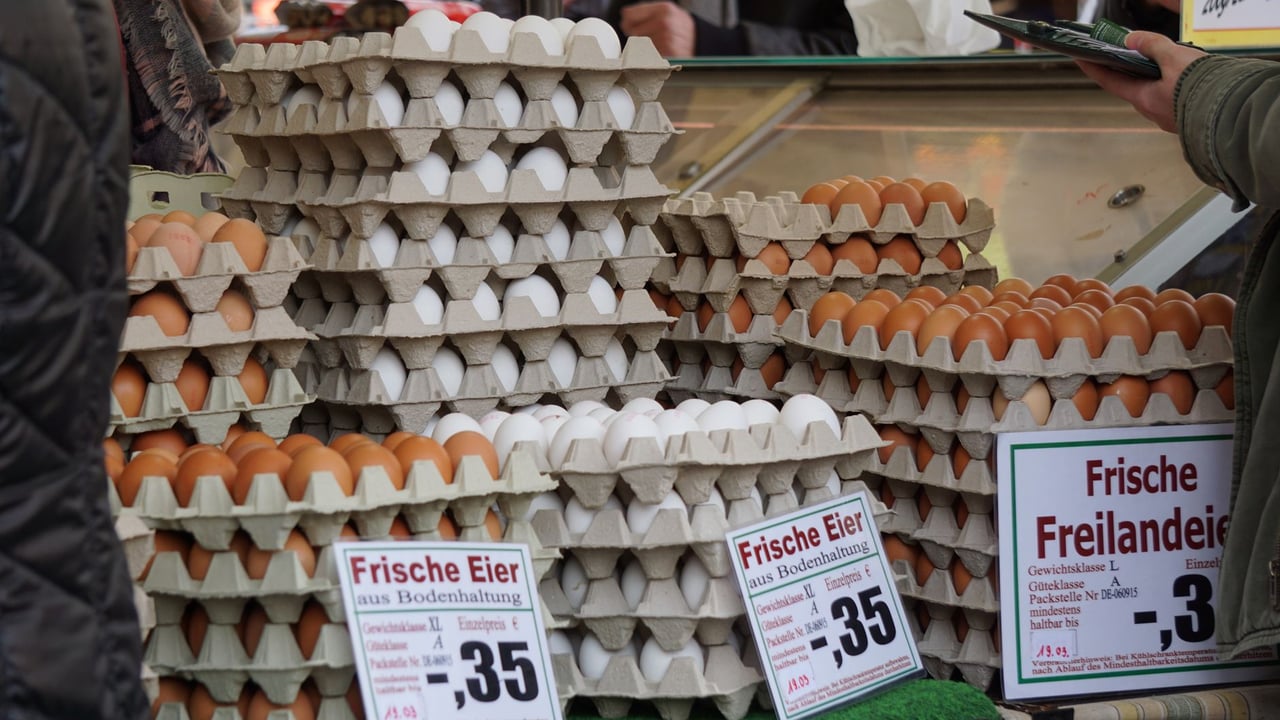

In China’s wet markets, the traditional hierarchy of affordable protein is being upended. While pork prices remain at historically low levels, egg prices have shattered expectations by surging past the 5-yuan-per-jin mark during what is typically a period of seasonal cooling. This unseasonal rally has pushed wholesale egg prices dangerously close to those of pork, creating a rare price convergence between the two dietary staples.
This "egg-pensive" trend is not the result of a sudden spike in consumer demand, but rather a structural supply crunch that has been brewing for months. Following a brutal period in early 2025 that saw egg farmers lose as much as 30 yuan per bird, the industry underwent a massive and necessary cull. With low replacement rates for chicks throughout the year, the national laying flock has contracted significantly, leaving the market vulnerable to supply shocks.
Environmental factors are currently exacerbating the shortage. Rising summer temperatures across China's primary production regions have naturally suppressed the laying rate of hens, further tightening the available stock. Combined with the short-term demand spike from the Dragon Boat Festival, the wholesale price of eggs has climbed to 10.61 yuan per kilogram, making eggs a premium commodity compared to the 14.64 yuan per kilogram average for pork.
Retailers like Hema and Xiaoxiang Supermarket are passing these costs directly to consumers, with prices for standard eggs reaching between 7 and 10 yuan per jin. This volatility has even triggered social issues, including a surge in "egg-based" investment scams targeting the elderly and high-profile internal embezzlement cases. Notably, at Xiangjia Shares, employees were recently convicted of stealing over 240 tons of eggs over several years, highlighting the commodity's surging value.
For producers, the tide has finally turned toward profitability after years of hardship. Current margins have reached their highest levels in recent memory, with average profits per jin rising nearly 80 cents since April. However, because it takes roughly five months for a chick to reach peak laying capacity, relief for the average household is unlikely to materialize until late 2026, when the current wave of restocking efforts begins to hit the market.