

China’s growth-oriented equity markets staged a robust recovery during the morning session on June 9, led by a powerful surge in the semiconductor and high-tech sectors. The tech-heavy ChiNext Index climbed 1.91%, while the STAR 50 Index, a barometer for China’s strategic science and technology sector, surged nearly 3%. This domestic resilience comes at a time of heightened global market anxiety, characterized by significant volatility in major overseas indices and concerns over liquidity tightening in the United States.
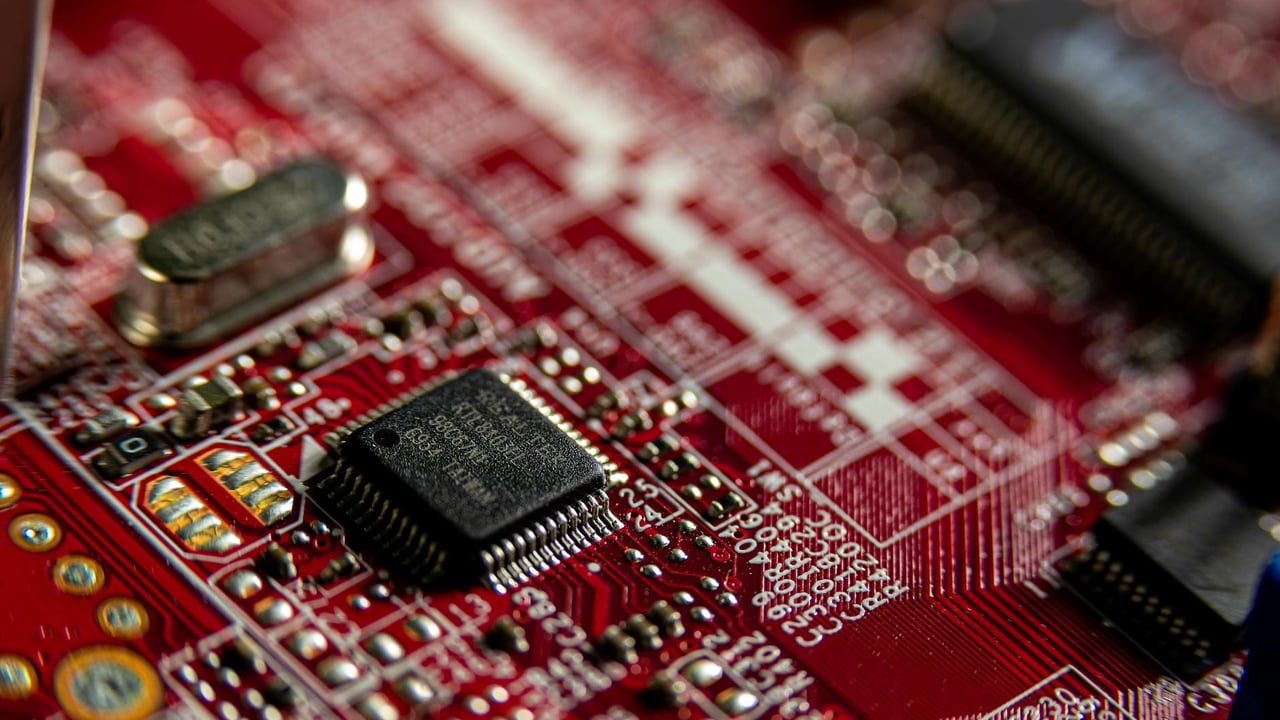
The rally was primarily driven by the semiconductor supply chain, with several sub-sectors hitting the daily limit-up price. Cleanroom technology, silicon wafers, and analog chips saw the most aggressive buying, with firms like TCL Zhonghuan and NSIG seeing 20% jumps in valuation. Printed Circuit Board (PCB) manufacturers also extended their winning streaks, suggesting a broad-based appetite for hardware components essential to the global artificial intelligence infrastructure.
While the Shanghai Composite Index saw a more modest gain of 0.51%, the total market turnover remained exceptionally high at 1.61 trillion RMB. This high volume, despite a slight decrease from previous peaks, indicates that domestic capital is aggressively rotating into tech sectors even as traditional energy and oil stocks faced downward pressure. The divergence between growth and value stocks highlights a strategic shift among Chinese investors toward long-term industrial upgrade narratives over short-term cyclical plays.
Market analysts suggest that the domestic market is increasingly decoupled from the 'valuation killing' seen in the US and Japanese markets. Because China’s liquidity remains relatively loose and its technology sector had already undergone a period of prolonged correction, the downside risk appears more contained than that of its international peers. Looking ahead, the market's focus is expected to remain firmly on the AI industry’s high-growth cycle, with domestic policy support providing a floor for valuations during periods of external macro-economic uncertainty.