
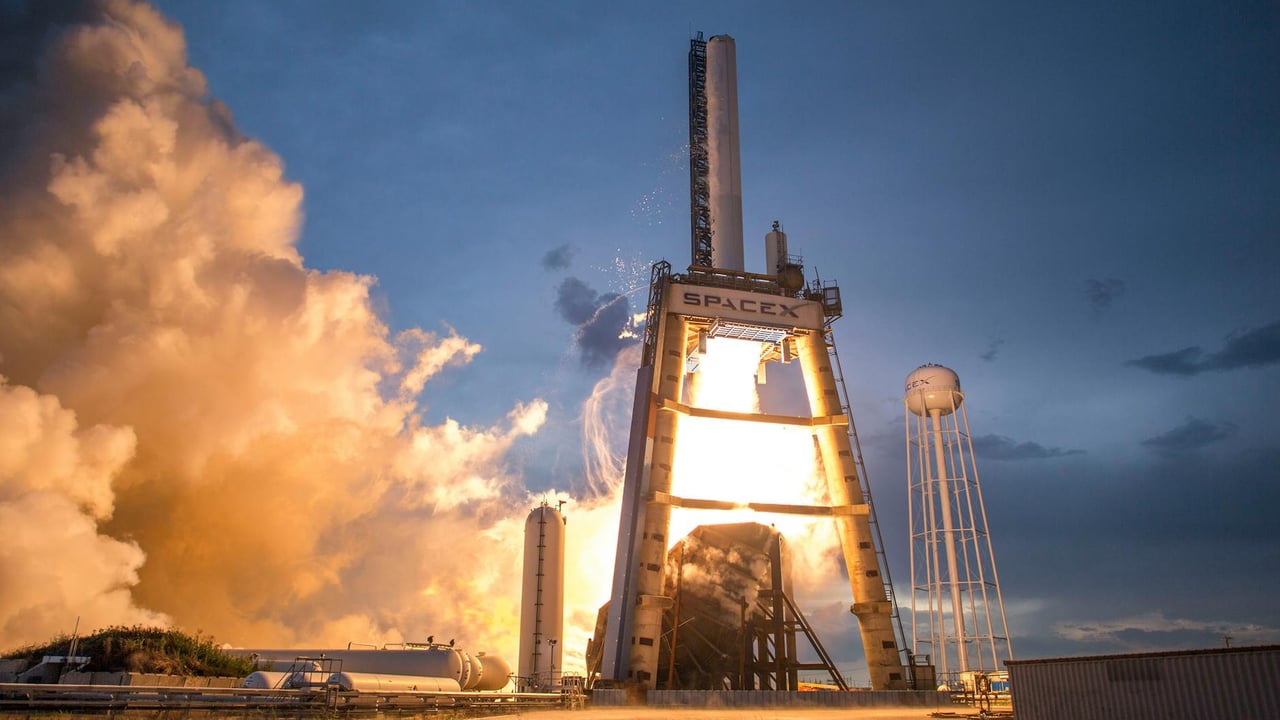

Global equity markets currently sit at a precarious peak, where even a slight tremor can be amplified by a consensus heavily tilted toward AI optimism. This month marks the arrival of a 'Super IPO' wave, a tangible manifestation of a high-stakes money game that cannot easily be stopped. Titans such as SpaceX, OpenAI, and Anthropic are rushing toward public listings with a combined fundraising target exceeding $200 billion, effectively vacuuming liquidity from the broader market.
Beneath the shiny projections of these tech giants lies a sobering reality of unprecedented capital consumption. In China, DRAM leader Changxin Technology and robotics firm Unitree have reported explosive revenue growth, yet their prospectuses reveal a pattern of 'forced' profitability achieved by suppressing R&D before seeking massive public funding. Zhipu AI provides a starker example, reporting research expenditures nearly 4.5 times its annual revenue, a ratio that highlights the unsustainable nature of the current hardware arms race.
This phenomenon is even more pronounced in the United States, where the AI industry’s capital expenditure-to-revenue ratio has hit a staggering 6:1. For historical context, this far exceeds the 2:1 ratio seen during the American railway bubble and the 4:1 ratio of the 1990s dot-com era. When internal cash flow cannot bridge this chasm, firms are forced to turn to external financing, debt issuance, and increasingly opaque financial derivatives.
The financial engineering behind this expansion is beginning to echo the warning signs of the 2008 subprime crisis. Tech giants like Alphabet and Microsoft have accelerated bond issuance to record levels, while riskier Collateralized Loan Obligations (CLOs) are increasingly being backed by high-leverage loans to AI startups. If the anticipated revenue from these AI models fails to materialize, the systemic risk will cascade through these credit chains, leaving public investors to bear the brunt of the collapse.
While public attention is fixed on the technological marvels of the AI age, a quiet and massive transfer of wealth is taking place behind the scenes. Early-stage institutional investors like Sequoia and SoftBank, along with founders of high-tech firms, have begun aggressively cashing out. In hubs like Shenzhen and Hangzhou, the luxury real estate market is already being flooded by 'AI nouveau riche' who have successfully converted their paper valuations into hard cash before the bubble thins out.
For the global investor, the lesson of the 2026 IPO wave is not just about the future of silicon and software, but about the mechanics of the exit strategy. As the 'Magnificent Seven' and their Chinese counterparts concentrate more market weight than ever, the divergence between those cashing out and those buying in has never been wider. The process of popping this bubble, as Ray Dalio suggests, is simply the final stage of turning perceived wealth into actual currency for a select few.