The $15 Million Engineer: Inside China’s Relentless AI Talent War

China's leading tech firms are offering uncapped salaries and nine-figure packages to secure AI Agent talent, leading to a strategic revaluation of older, experienced workers. As the focus shifts from base models to autonomous agents, the industry is transitioning toward a 'Super Individual' model that prioritizes industry expertise over traditional coding skills.

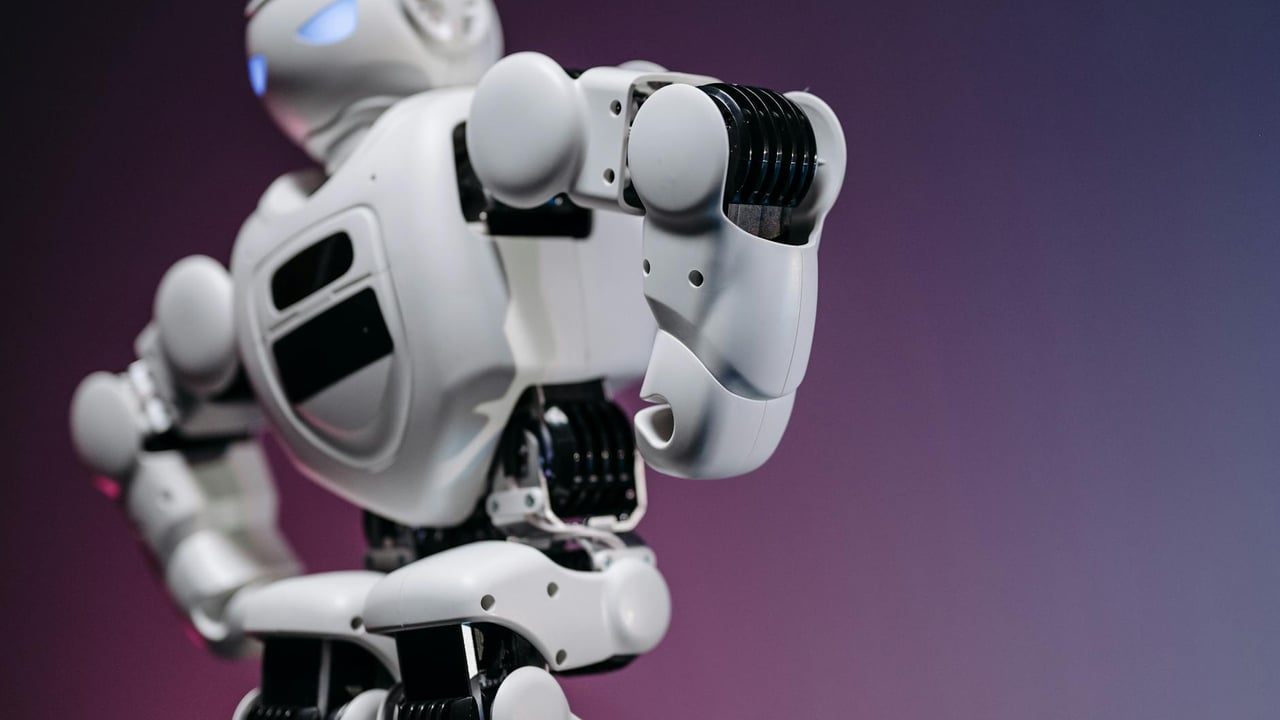
Close-up of a futuristic white robot showcasing innovation and design.

Key Takeaways

  • 1AI leads in China are commanding average monthly salaries of 132,000 RMB, with elite annual packages reaching 100 million RMB.
  • 2The 2026 recruitment focus has pivoted from foundational Large Language Models to AI Agents capable of practical business application.
  • 3The traditional '35-year-old curse' is fading as industry experience becomes a critical asset for managing complex AI workflows.
  • 4ByteDance and Alibaba have extended their talent search to middle schools and teenagers, attempting to secure the next generation of 'genius' developers.
  • 5Traditional programming roles are being commoditized and pushed down to mid-sized and traditional companies as AI increases coding efficiency.

Editor's
Desk

Strategic Analysis

This talent war signals a fundamental shift in China's digital economy from labor-intensive development to intelligence-led orchestration. The high-entry barrier for 'Agent' development is creating a bifurcated labor market: an elite class of 'Super Individuals' who command astronomical wealth, and a displaced middle tier of traditional white-collar workers. By targeting talent as young as six and rehabilitating the '35-plus' demographic, Chinese tech firms are admitting that the bottleneck for AI supremacy is no longer just compute power, but the rare human ability to translate technical logic into autonomous business value. The 'Invisible Giants'—agile, high-density tech firms—are proving that in the AI era, specialized technical moats are more valuable than the massive traffic-based ecosystems that defined the last decade of Chinese tech.

China Daily Brief Editorial
Strategic Insight
China Daily Brief

China’s tech giants—Alibaba, Tencent, and ByteDance—have entered a state of "wolf-like" aggression, with budgets for AI Agent developers essentially remaining uncapped as of early 2026. The financial ceiling for top-tier talent has shattered, with annual compensation packages for elite scientists now reaching the 100 million RMB ($14 million) mark. This is no longer a standard recruitment drive; it is an existential arms race to secure the world's most capable algorithmic minds.

The battlefield has shifted significantly from the foundational model wars of 2023. While the previous era focused on pre-training and basic architecture, 2026 has emerged as the year of the "Agent," focusing on AI that can autonomously execute complex business workflows. This transition has turned "Invisible Giants"—specialized firms like Moonshot AI and Momenta—into formidable rivals for the traditional tech establishment, often outbidding the likes of Tencent for specific engineering expertise.

Surprisingly, this technological leap is rehabilitating a demographic previously discarded by the Chinese tech industry: the over-35 professional. In the mobile internet era, workers over 35 faced the "35-year-old curse," often being the first targeted during layoffs due to perceived burnout. However, the Agent era prizes industry-specific skill sets and deep operational logic over raw coding endurance. These seasoned veterans are now seen as the ideal conductors for AI workflows, leading to a massive revaluation of experience over youth.

Simultaneously, the industry is experiencing a paradoxical period of displacement and extreme growth. While companies pay record sums for AI geniuses, traditional programming roles are being systematically phased out by the very tools they helped create. This is giving rise to the "Super Individual," a worker capable of using AI to perform the roles of a designer, front-end developer, and product manager simultaneously. Those who fail to adapt to this hyper-efficient model are finding themselves pushed out of the top-tier ecosystem entirely.

Share Article

Related Articles

📰
No related articles found