
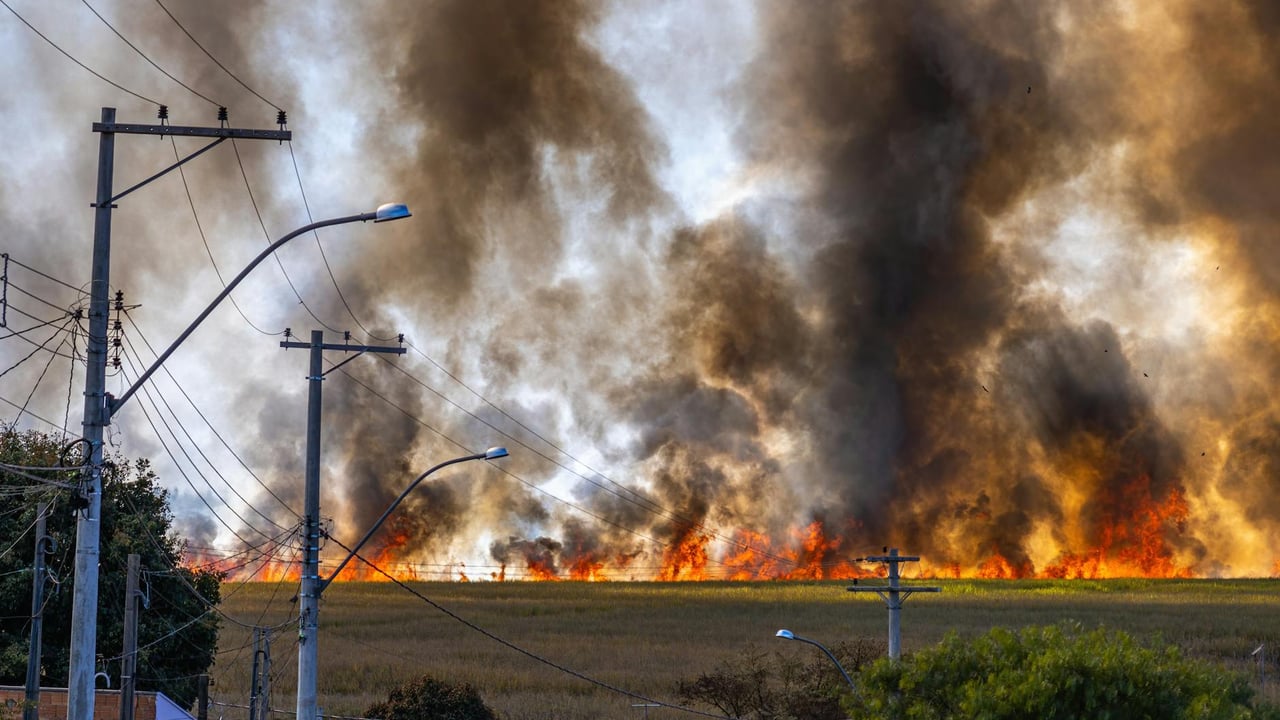

As summer temperatures begin their annual ascent across the Mediterranean, the European Commission has signaled a paradigm shift in how the bloc manages its increasingly volatile landscape. In a massive logistics operation, the EU is mobilizing its largest-ever fleet of firefighters, aircraft, and emergency specialists to combat the heightening risk of wildfires. This record-breaking deployment represents a strategic pivot from reactive disaster management to a model of proactive, pan-European defense.
Nearly 800 personnel drawn from 14 different member states are being stationed across the traditional tinderboxes of Cyprus, Greece, Italy, France, Spain, and Portugal. These first responders are backed by a coordinated funding effort under the EU Civil Protection Mechanism, which has seen its budget and scope expanded as climate-related disasters become more frequent and severe. The scale of this operation underscores the gravity of the threat facing the continent's southern flank.
The current initiative is the most significant iteration of a pre-deployment strategy first introduced in 2022, following a series of devastating fire seasons that overwhelmed individual national capacities. By pre-positioning assets before the first plumes of smoke appear, the EU aims to slash response times and contain outbreaks before they evolve into uncontrollable mega-fires. This collective approach treats wildfire risk not as a local nuisance, but as a shared systemic threat to European stability.
In training grounds from Corsica to the Peloponnese, pilots and ground crews are refining the interoperability required for such a diverse multinational force. This year's deployment also includes a record number of specialized firefighting aircraft, which are now being managed as a shared regional resource. The evolution of this program reflects a broader trend toward centralized EU coordination in the face of environmental challenges that do not respect national borders.