Echoes of a Forgotten War: Xi Jinping’s Symbolic Pilgrimage to Pyongyang

President Xi Jinping’s visit to the Friendship Tower in Pyongyang reaffirms the historic 'blood alliance' between China and North Korea. The gesture serves as a strategic signal of solidarity amidst rising tensions in Northeast Asia, emphasizing Beijing's commitment to regional stability and its northern ally.

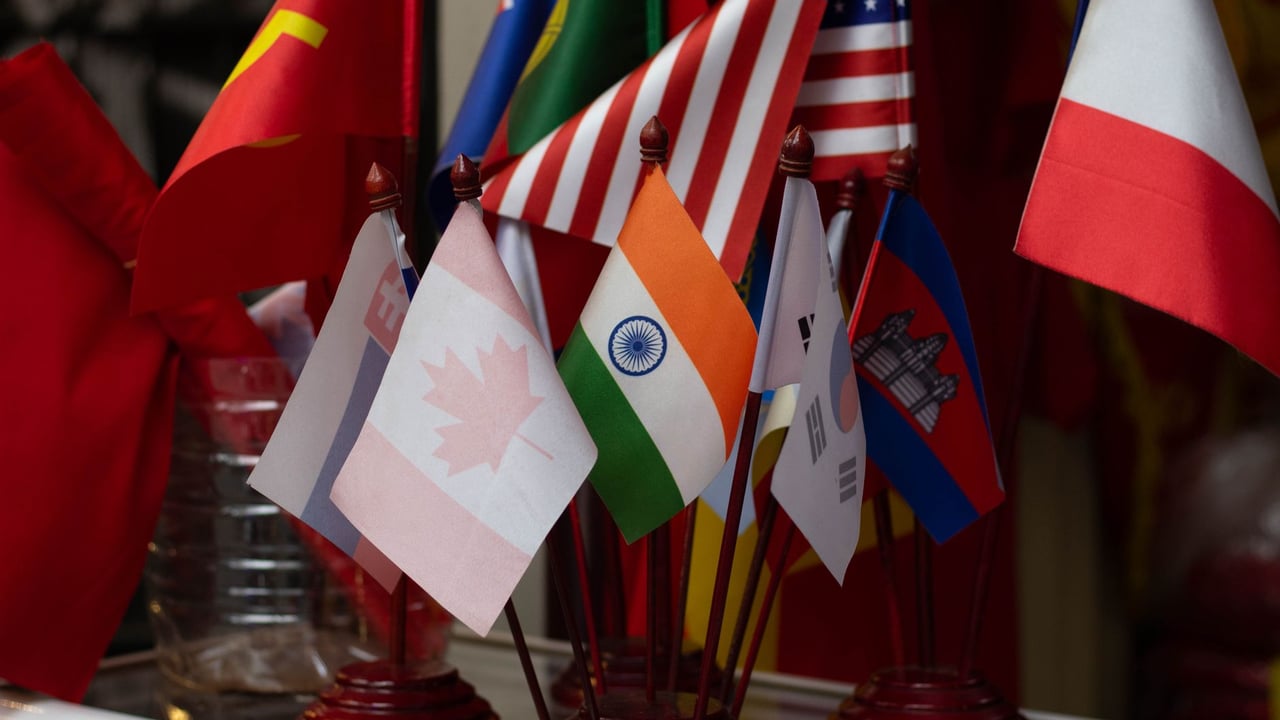
Colorful display of multiple national flags on stands, showcasing international diversity.

Key Takeaways

  • 1President Xi Jinping and Peng Liyuan paid their respects at the Friendship Tower in Pyongyang to honor Chinese soldiers from the Korean War.
  • 2The visit reinforces the 'blood-cemented' alliance between China and North Korea amid modern geopolitical shifts.
  • 3The use of historical symbols serves as a deterrent signal to the trilateral cooperation between the U.S., Japan, and South Korea.
  • 4The presence of the First Lady highlights the 'normalized' and personal dimensions of China-DPRK diplomatic relations.

Editor's
Desk

Strategic Analysis

The visit to the Friendship Tower is a classic exercise in 'memory diplomacy.' By invoking the legacy of the Korean War, Beijing is reinforcing its sphere of influence and warning against any encroachment on the status quo of the Peninsula. This is particularly relevant as the U.S. strengthens its integrated deterrence posture in the region. Xi’s presence at the monument suggests that for China, the defense of North Korea is not just a strategic necessity, but a historical obligation that remains non-negotiable in the face of contemporary Western pressure.

China Daily Brief Editorial
Strategic Insight
China Daily Brief

In a choreographed display of historical continuity and strategic solidarity, President Xi Jinping and First Lady Peng Liyuan visited the Friendship Tower in Pyongyang. This monument, dedicated to the Chinese People’s Volunteer Army who fought alongside North Korea during the 1950-1953 conflict, serves as a potent reminder of the 'blood-cemented' alliance between the two neighboring states.

The visit transcends mere ceremony, occurring at a juncture where the geopolitical architecture of Northeast Asia is under significant strain. By honoring the fallen soldiers of the past, Xi is signaling to both domestic and international audiences that Beijing’s commitment to Pyongyang’s security remains a foundational pillar of its regional strategy, regardless of shifting global winds.

Observers note the inclusion of Peng Liyuan as a signal of the 'normalized' yet intimate nature of the relationship, moving beyond the purely transactional to the familial. This soft-power element balances the hard-security implications of the visit, which takes place against a backdrop of increased military cooperation between the United States, Japan, and South Korea.

Ultimately, the floral tribute at the Friendship Tower underscores a clear message: China will not permit the destabilization of its northern neighbor. As the rivalry with the West intensifies, the historical narratives of the Korean War are being revitalized to bolster a modern-day united front against perceived external containment.

Share Article

Related Articles

📰
No related articles found