
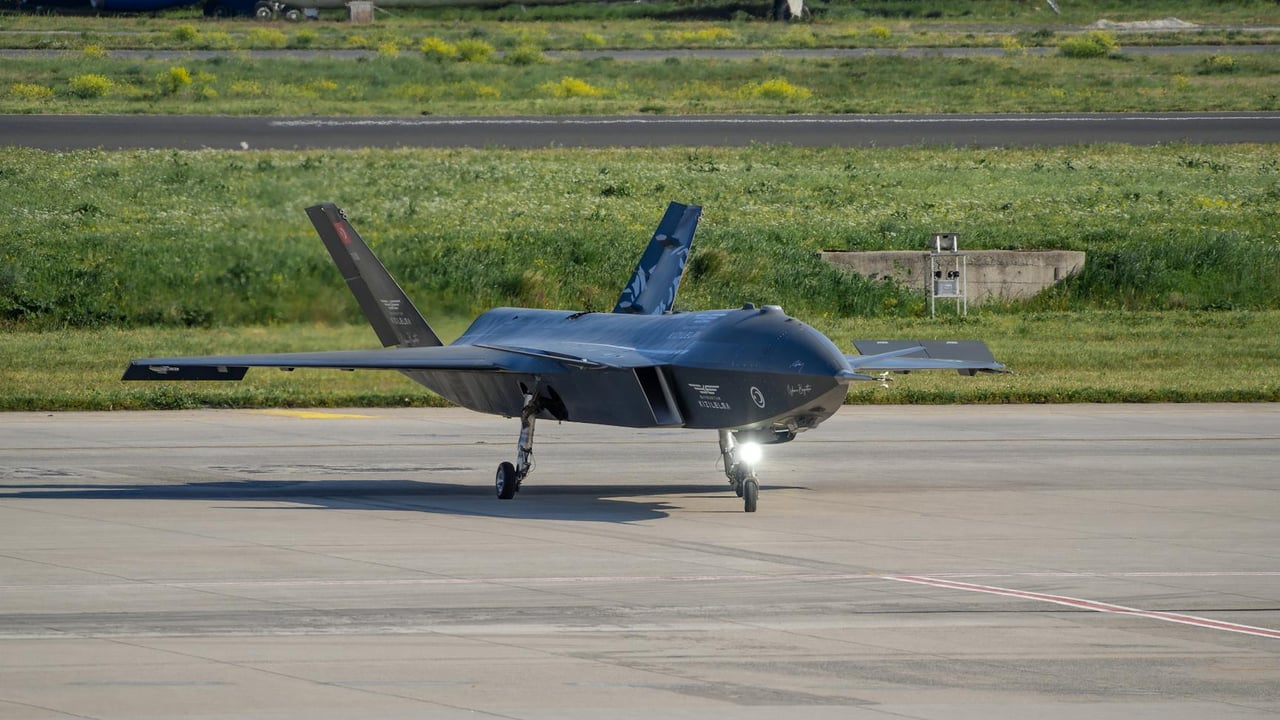

The definitive collapse of the Future Combat Air System (FCAS) fighter jet program marks a sobering end to one of Europe’s most ambitious post-war defense experiments. What was intended to be the crown jewel of European strategic autonomy—a sixth-generation stealth fighter to replace the Rafale and Eurofighter—has instead become a testament to the continent's persistent industrial parochialism. The failure of this multibillion-euro project underscores a hard truth: political rhetoric regarding European unity remains fundamentally at odds with the competitive realities of its national defense champions.
At the heart of the friction lies an irreconcilable rift between France’s Dassault Aviation and Germany’s Airbus Defence and Space. For years, the two giants remained locked in a stalemate over technical leadership and intellectual property rights, with Dassault fiercely guarding its role as the lead architect of the airframe. Paris viewed the project as an extension of its unique aerospace heritage, while Berlin demanded a partnership that reflected its significant financial contributions and its own industrial modernization goals.
For French President Emmanuel Macron, the termination of the fighter component is a profound geopolitical setback that punctures his vision of a "sovereign Europe." By admitting that industrial pressure could no longer be overcome, Paris and Berlin have signaled that when national industrial interests collide with the ideal of regional integration, the former still reigns supreme. This move leaves a power vacuum in European air defense and raises urgent questions about the viability of future cross-border military collaborations.
While officials have indicated that cooperation may continue on secondary components such as "combat cloud" data systems and unmanned drones, the absence of a central manned aircraft renders the original vision hollow. The focus will now pivot toward a fragmented defense landscape, where a "roadmap of realistic projects" replaces the grand ambitions of the past decade. As the 2040 deadline for a next-generation platform looms, Europe may find itself increasingly reliant on American platforms or competing national projects like the British-led Global Combat Air Programme.