
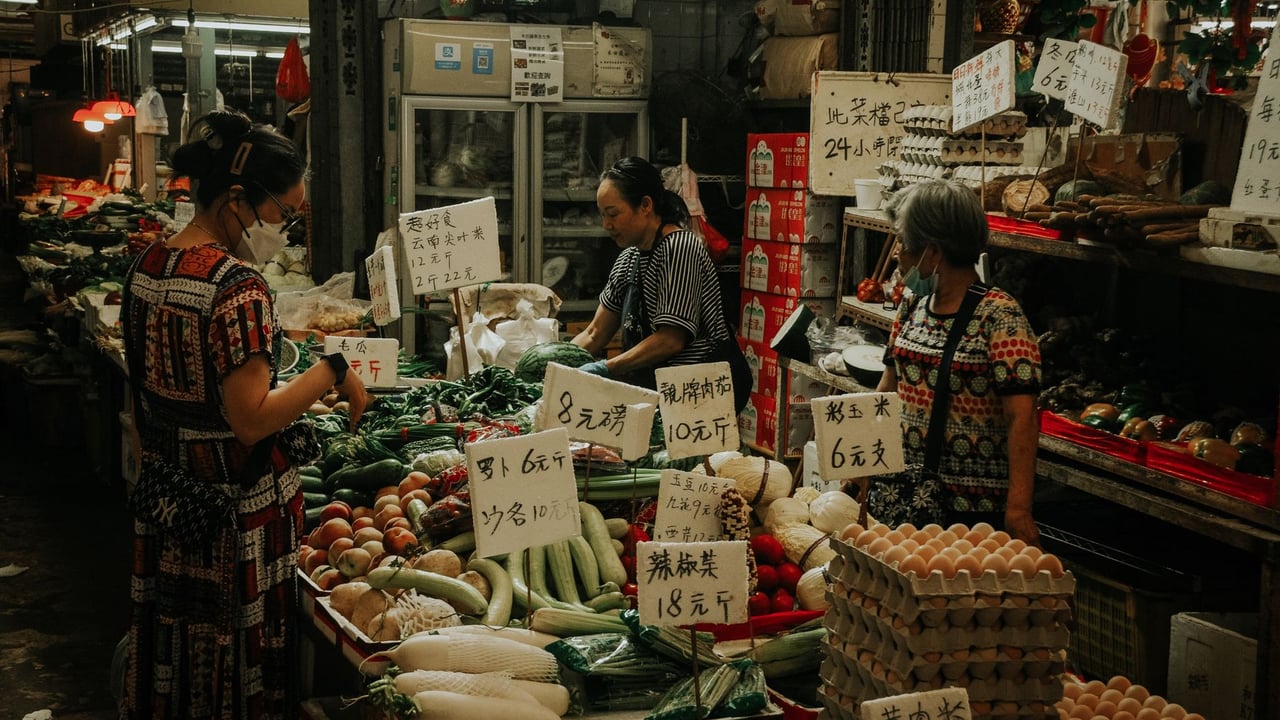

In the Chinese kitchen, the humble egg has long been the reliable, low-cost anchor of the dinner table. However, a surprising divergence is currently playing out in China’s agricultural markets: while pork prices languish at multi-year lows, the price of eggs has soared to levels that rival its porcine counterpart. This off-season surge has caught consumers and analysts alike by surprise, signaling a profound shift in the country's protein supply chain.
The current spike is not driven by a sudden ravenous appetite for omelets, but rather by a painful structural contraction within the poultry industry. Throughout much of 2024 and early 2025, Chinese egg producers suffered through a brutal period of overcapacity, with many reporting losses of up to 30 yuan per hen. This prolonged financial bleeding prompted a massive culling of older birds and a deep reluctance to restock flocks, leading to the hollowed-out supply structure observed today.
Adding environmental insult to financial injury, a punishing early summer heatwave across much of China has further crimped production. Laying hens are notoriously sensitive to high temperatures, which can cause significant drops in egg-laying rates. This biological bottleneck, combined with the traditional demand surge surrounding the Dragon Boat Festival, has created a perfect storm of scarcity that has pushed retail prices well beyond five yuan per catty in many provinces.
The newfound value of the egg is perhaps best illustrated by a recent criminal case involving Xiangjia Shares, a listed poultry giant. For nearly four years, a small ring of employees systematically siphoned off over 240 tons of eggs through fraudulent ledger entries. The discovery of this ant-moving heist, which involved millions of yuan in losses, highlights how the commodity’s rising market value has turned it into an increasingly attractive target for sophisticated theft.
Looking ahead, the market appears to be at a crossroads. While the immediate profitability for farmers has hit multi-year highs—averaging a profit of 1.36 yuan per catty—the recovery of supply is hampered by a five-month biological lag. As hatcheries see orders booked out through September, the influx of new laying hens is expected to eventually stabilize prices in the latter half of the year, though consumers will likely feel the pressure for several months to come.