
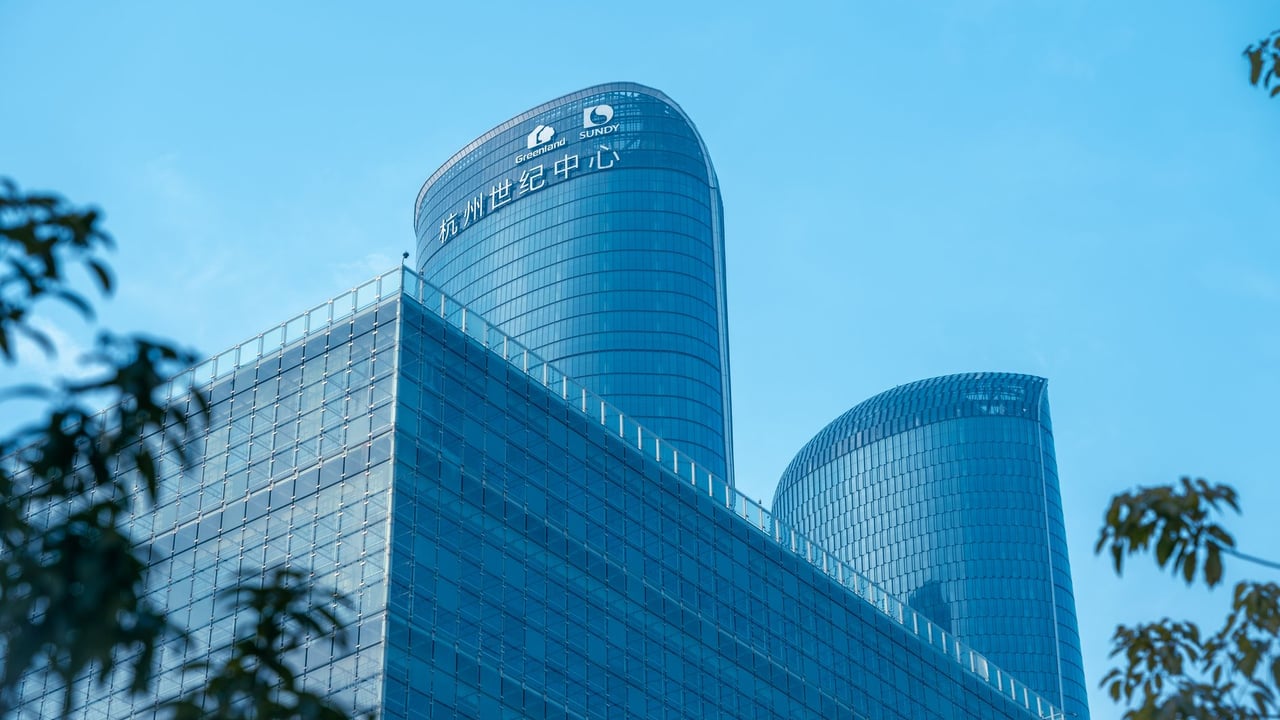

While much of China’s property sector remains mired in a multi-year slump, the eastern tech hub of Hangzhou is witnessing a phenomenon that seems to belong to a different era. At the gates of elite developments like the Binhang Chuanqi Mansion, potential buyers are queuing for the privilege of viewing apartments. The price of admission is not just a reservation but a 'capital verification' check of up to 80 million RMB ($11 million)—a threshold significantly higher than many elite private equity funds require for entry.
This is not a traditional property bubble driven by speculative credit, but rather the visible manifestation of a massive wealth transfer from the capital markets to tangible assets. The buyers are a new breed of tech-aristocracy: founders and executives aged 35 to 45, primarily from the semiconductor, AI, and new materials sectors. For these individuals, luxury real estate serves as a safe harbor for the paper wealth recently unlocked through initial public offerings and a surging local stock market.
Hangzhou’s resilience is rooted in a decade-long strategic bet. The city’s government has deployed a '3+N' industrial fund cluster totaling 500 billion RMB, designed to foster 'Hard Tech' ecosystems. This state-backed venture capital has successfully incubated the 'Six Little Dragons' of Hangzhou—high-growth firms like DeepSeek and Unitree Robotics. As these firms reach maturity and hit the public markets, they are minting thousands of young multi-millionaires almost overnight.
The scale of this localized boom is startling. Despite average prices exceeding 100,000 RMB per square meter, several flagship projects have sold out on their opening day. In one instance, a robotics firm employee under 30 reported that his colleagues were viewing luxury villas immediately following the announcement of their company’s IPO progress. This 'industrial money printer' model creates a self-reinforcing loop: state funds seed tech, tech creates high-net-worth individuals, and those individuals reinvest in the city’s premier real estate.
This decoupling from the national property trend suggests that China’s real estate future may be increasingly fragmented. While cities dependent on traditional manufacturing or land-finance models struggle, those that have successfully transitioned to 'New Quality Productive Forces' are finding that high-end demand remains insatiable. The luxury market in Hangzhou is no longer a bet on housing prices, but a bet on the continued success of China’s high-tech industrial policy.