
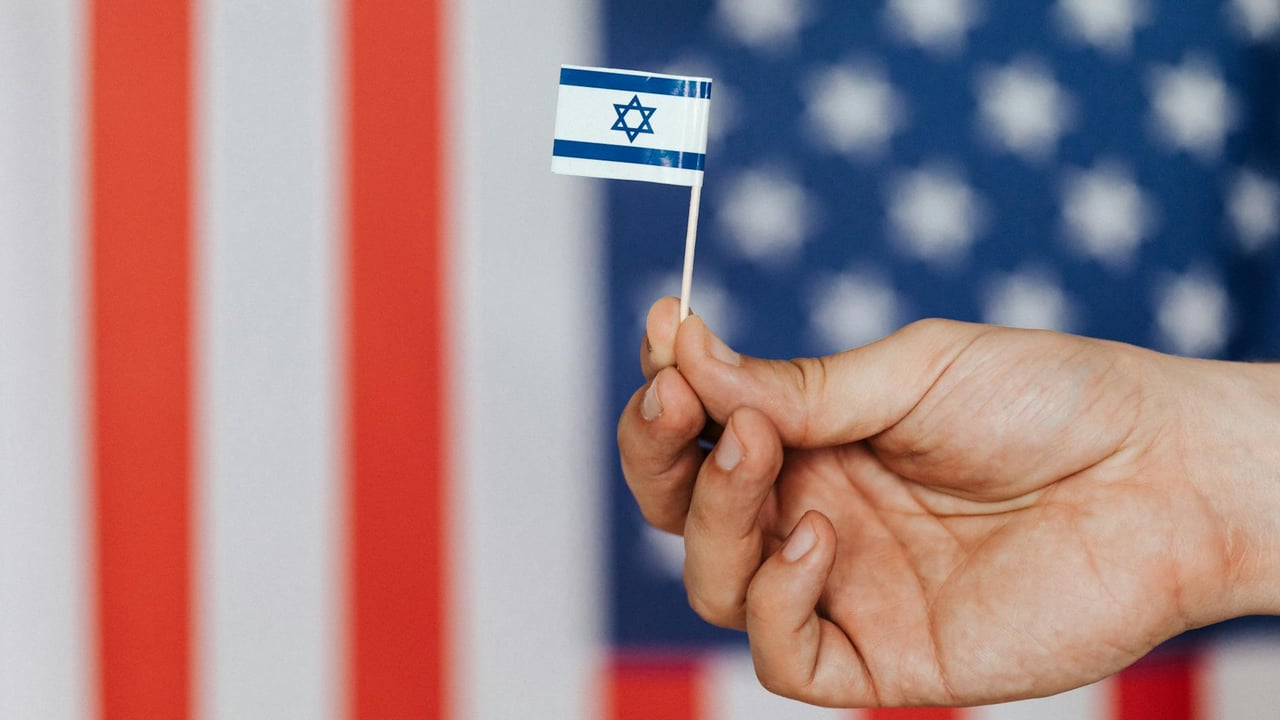

The once-unshakeable alliance between Donald Trump and Benjamin Netanyahu has reached a public breaking point, as the U.S. President warns Israel it may soon find itself 'on its own.' In a series of blunt exchanges, Trump has reportedly rebuked the Israeli Prime Minister for military escalations that threaten to derail Washington’s broader regional strategy. The rift signals a fundamental shift from ideological alignment to a cold, transactional realism defined by competing domestic survival instincts.
At the heart of the tension is a stark divergence in electoral priorities ahead of the 2026 autumn polls. Trump is currently prioritizing a diplomatic thaw with Iran to stabilize global energy markets and lower domestic fuel prices, which he views as critical to his approval ratings. Conversely, Netanyahu is grappling with a fragile domestic coalition where far-right ministers demand intensified military action in Lebanon and against Iranian infrastructure to ensure Israel's regional deterrence.
Recent military friction has brought these differences into sharp focus. Following Israeli strikes on Iranian energy assets that triggered retaliatory hits on Gulf oil facilities, Trump reportedly used profanity to describe Netanyahu’s strategy as 'crazy' and counterproductive to U.S. interests. While Netanyahu has attempted to frame these operations as independent victories, Washington increasingly views them as 'small games' that disrupt the path toward a long-term nuclear solution.
Vice President J.D. Vance has further solidified this stance, asserting that the U.S. will pursue an agreement with Tehran regardless of Jerusalem’s objections. This 'Washington First' approach has left the Israeli political establishment in a state of shock. While opposition leaders lament Israel's descent into the status of a 'vassal state,' hardline members of Netanyahu's cabinet are urging the Prime Minister to defy the White House, arguing that Israel's security cannot be outsourced to a volatile American administration.