Beijing Asserts Maritime Reach as Liaoning Carrier Group Confronts Japanese Surveillance in West Pacific

China's Liaoning carrier group recently conducted training in the West Pacific, where it encountered and managed surveillance from Japanese forces. The Chinese Ministry of Defense defended the fleet's actions as lawful, emphasizing its growing ability to operate in deep-sea environments despite regional friction.

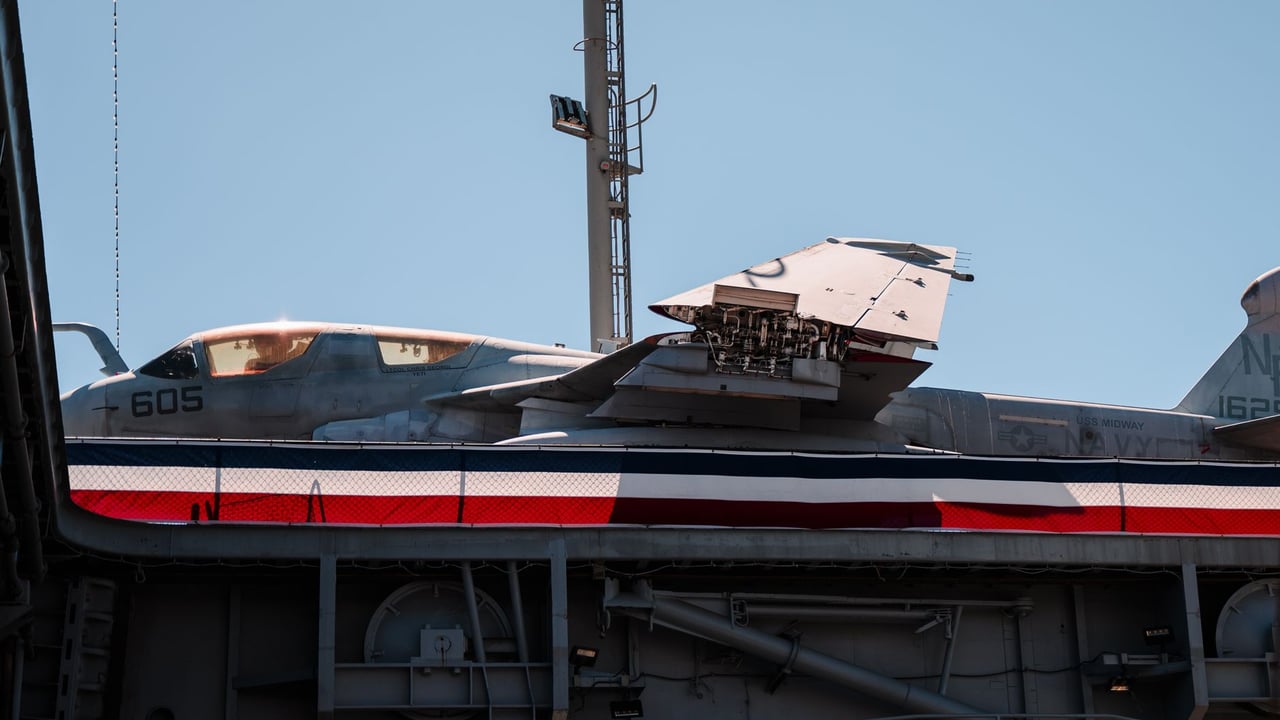
Close-up of a military aircraft on display against a clear blue sky in San Diego, CA.

Key Takeaways

  • 1The Liaoning aircraft carrier strike group conducted significant training operations in the Western Pacific.
  • 2Japan’s Maritime Self-Defense Force monitored the Chinese fleet, prompting a formal response from Beijing.
  • 3China's Ministry of Defense asserted that its countermeasures were 'lawful and compliant' with international standards.
  • 4The exercise demonstrates China's ongoing effort to project naval power beyond the First Island Chain.

Editor's
Desk

Strategic Analysis

The persistent presence of Chinese carrier groups in the West Pacific represents a strategic shift toward a 'far-seas' defense doctrine. By framing their response to Japanese surveillance as 'lawful and professional,' Beijing is attempting to normalize its military presence in international waters that were historically dominated by the U.S.-Japan alliance. This cycle of deployment and surveillance increases the risk of tactical miscalculation, yet for the PLA, the training value of operating under the watchful eye of a 'near-peer' adversary like Japan is likely viewed as a necessary component of combat readiness.

China Daily Brief Editorial
Strategic Insight
China Daily Brief

The People’s Liberation Army Navy (PLAN) has once again signaled its blue-water ambitions, with the Liaoning aircraft carrier strike group conducting high-intensity training exercises in the Western Pacific. This latest deployment beyond the 'First Island Chain' underscores Beijing’s commitment to transforming its navy from a coastal defense force into a global expeditionary power.

During the maneuvers, the Chinese Ministry of Defense reported that its vessels were shadowed by Japanese maritime and aerial assets. Beijing’s response was characteristically firm, stating that its fleet handled the Japanese 'follow-on monitoring' in strict accordance with international laws and regulations.

This interaction highlights the increasingly crowded and contested waters of the East China Sea and the Philippine Sea. As the PLAN increases the frequency and complexity of its carrier operations, Japanese forces have stepped up their surveillance, leading to a precarious tactical dance between the two regional rivals.

For China, these drills are essential for operationalizing its carrier strike groups, which require seamless integration of air wings, destroyers, and logistical support in deep-sea environments. The presence of the Liaoning in these waters is a direct message to both Tokyo and Washington that the Western Pacific is no longer an exclusive domain for Western naval supremacy.

Share Article

Related Articles

📰
No related articles found