Fueling the AI Beast: Google Taps China’s Powerland for GPU Power Solutions

Chinese power electronics firm Powerland Technology has announced a partnership with Google to provide power supply units for GPU-driven computing equipment. The project is currently transitioning into the testing and small-batch production phase, marking a significant entry for the company into the hyperscale AI infrastructure market.

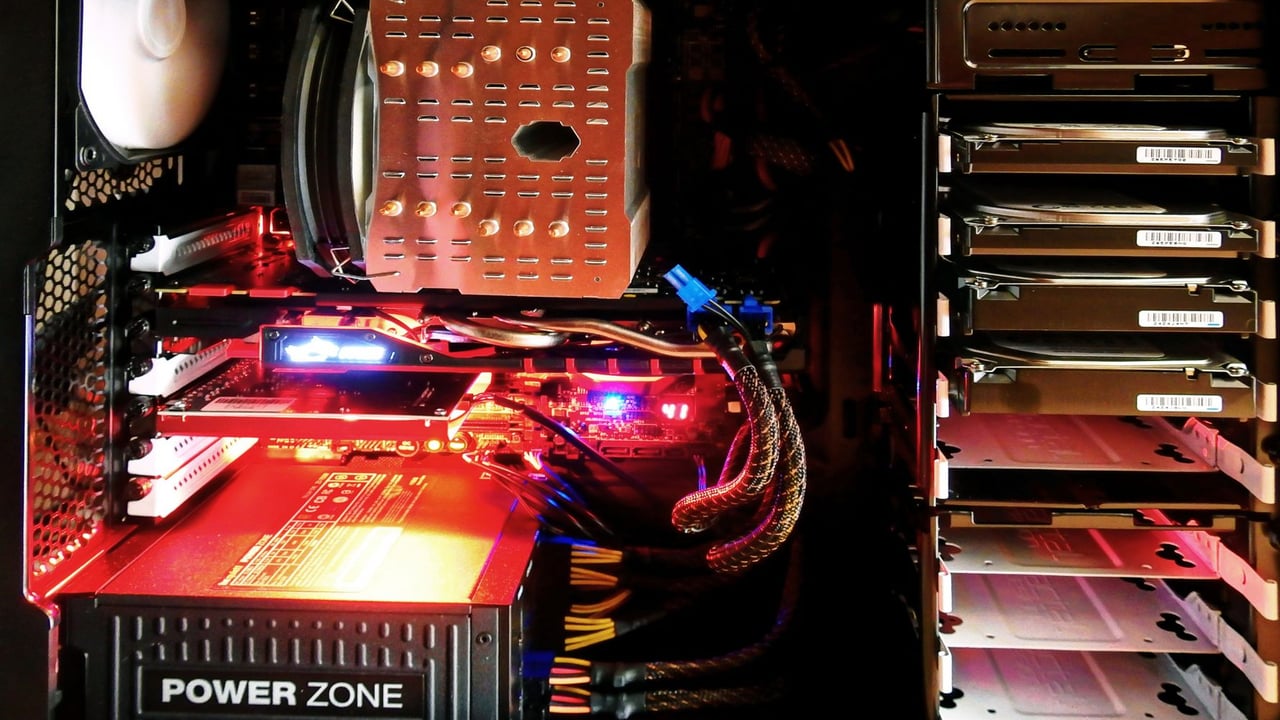
Close-up of a custom gaming PC with RGB lighting, showcasing power supply and components.

Key Takeaways

  • 1Powerland (Oulutong) has officially secured a GPU power supply project with Google.
  • 2The collaboration has moved into the testing and small-batch production stages.
  • 3The project focuses on high-efficiency power solutions required for intensive AI and GPU computing tasks.
  • 4This partnership solidifies Powerland's position as a key supplier for global Cloud Service Providers (CSPs).
  • 5The development highlights the continued integration of Chinese hardware specialists in the global AI supply chain.

Editor's
Desk

Strategic Analysis

While much of the global conversation around AI focuses on the scarcity of high-end silicon, the power delivery infrastructure represents a secondary, equally critical bottleneck. Google’s decision to partner with Powerland suggests that Silicon Valley still views Chinese manufacturing and power electronics expertise as indispensable for scaling up its data center footprint. For Powerland, this move represents a successful 'upstreaming' into the high-value AI server market, which offers significantly higher barriers to entry and better margins than traditional consumer power adapters. This deal exemplifies a pragmatic reality: even as software and chip design become increasingly siloed by national security concerns, the 'silent' components of the AI revolution—power, cooling, and physical housing—remain a globalized business where Chinese cost-efficiency and technical agility still lead the pack.

China Daily Brief Editorial
Strategic Insight
China Daily Brief

Shenzhen-listed Powerland Technology (Oulutong) has confirmed a strategic partnership with Google to supply power solutions for the tech giant’s high-performance computing and GPU hardware. According to recent investor disclosures, the project has progressed beyond initial design phases and is currently moving into testing and small-batch production. This collaboration marks a significant milestone for the Chinese power electronics specialist as it embeds itself deeper into the global artificial intelligence infrastructure supply chain.

As the demand for generative AI and massive language models continues to skyrocket, the physical infrastructure supporting these computations has come under intense scrutiny. GPUs and specialized AI accelerators, such as Google’s own Tensor Processing Units (TPUs), require incredibly stable and efficient power delivery systems to function at peak capacity. Powerland’s role in providing these GPU-specific power units underscores the critical, yet often overlooked, hardware bottlenecks that define the current AI arms race.

The partnership highlights a growing trend of major Cloud Service Providers (CSPs) seeking high-efficiency power modules that can handle the extreme thermal and electrical demands of modern data centers. By securing a spot in Google’s vendor ecosystem, Powerland is positioning itself as a top-tier global supplier, moving beyond consumer electronics into the high-margin world of hyperscale computing. This shift is essential for Chinese firms seeking to maintain international relevance amidst evolving global trade dynamics.

While the specific volume and timeline for full-scale mass production remain subject to further confirmation, the transition to the testing phase suggests that the technical hurdles of the project have largely been overcome. This development serves as a reminder that despite geopolitical rhetoric regarding decoupling, the underlying layers of the technology stack—from power semiconductors to cooling systems—remain deeply globalized and interdependent.

Share Article

Related Articles

📰
No related articles found