Brussels Breaks the Wall: Meta Forced to Open WhatsApp to AI Rivals

The EU has ordered Meta to lift its restrictions on third-party AI assistants accessing WhatsApp to prevent long-term competitive damage. This interim measure forces Meta to maintain an open ecosystem while the European Commission completes a full antitrust investigation into the company's AI practices.

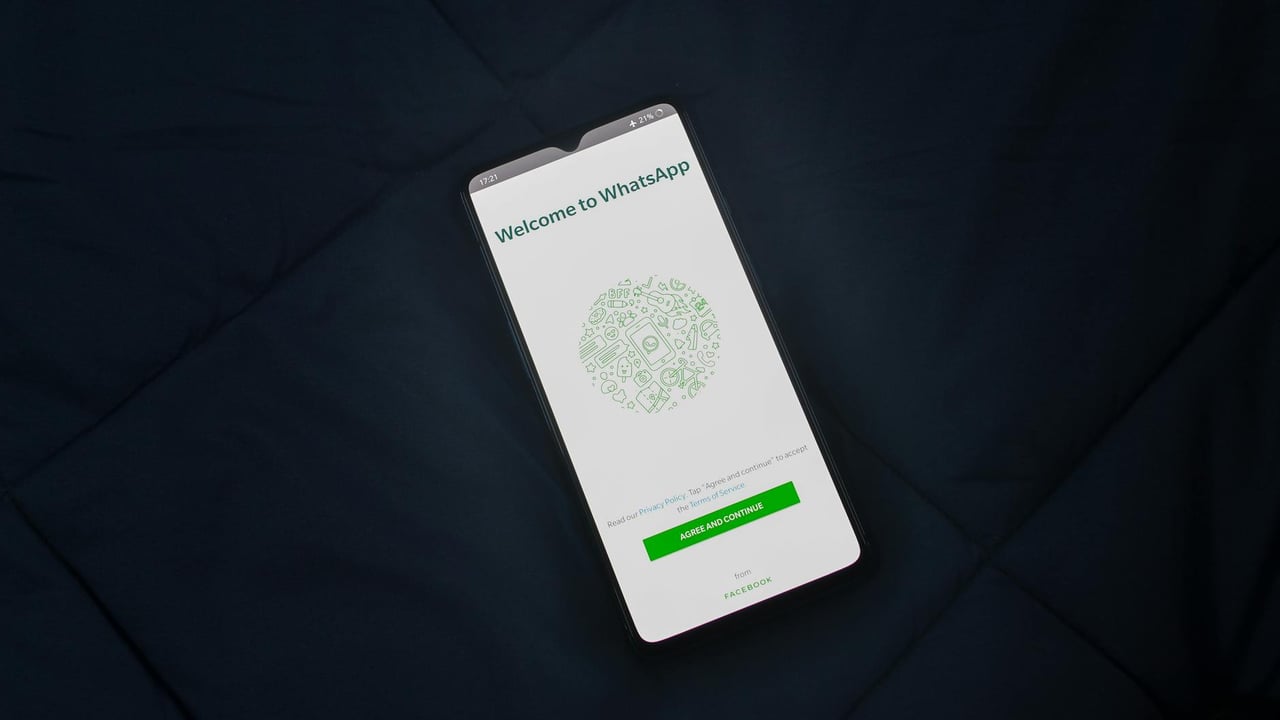
Smartphone displaying WhatsApp login screen on a dark surface. Overhead view.

Key Takeaways

  • 1The European Commission issued an interim order requiring Meta to restore free access for rival AI assistants on WhatsApp.
  • 2Regulators believe Meta's exclusive promotion of 'Meta AI' violates EU competition rules and threatens the growing AI market.
  • 3The investigation into Meta’s AI policies began in December 2025 and has seen multiple escalations throughout early 2026.
  • 4This move signals a shift in EU strategy toward 'pre-emptive' enforcement to ensure interoperability in the AI era.
  • 5The order will remain in effect until the conclusion of the formal antitrust proceedings.

Editor's
Desk

Strategic Analysis

This enforcement action represents a significant deployment of the EU's antitrust toolkit, specifically the use of 'interim measures' which are typically reserved for cases where market dynamics could shift permanently before a final verdict is reached. By intervening now, Brussels is effectively acknowledging that in the AI sector, a few months of platform exclusivity can lead to an insurmountable lead in user data and habituation. The decision forces a 'level playing field' at the distribution level, suggesting that the Digital Markets Act's philosophy is being aggressively applied to the generative AI stack. For Meta, this is a strategic blow; the company viewed WhatsApp’s vast user base as its primary competitive advantage in the race against OpenAI. This precedent may soon extend to other gatekeeper platforms, potentially forcing Apple or Google to open their integrated AI features to third-party developers much sooner than they anticipated.

China Daily Brief Editorial
Strategic Insight
China Daily Brief

The European Commission has issued a rare and decisive interim order against Meta, demanding the tech giant immediately restore access for third-party generative AI assistants to its WhatsApp platform. This move, announced on June 9, 2026, suspends Meta’s previous restrictions while a broader antitrust investigation continues. Regulators in Brussels signaled that allowing Meta to maintain a closed ecosystem during the lengthy investigation would cause irreparable harm to the rapidly evolving AI market.

This regulatory intervention follows a series of escalations that began in late 2025, when the Commission first scrutinized Meta’s policy of favoring its proprietary 'Meta AI' over external competitors. By February 2026, the EU had issued a preliminary statement of objections, identifying a clear risk that Meta was leveraging its dominant position in messaging to monopolize the AI assistant space. The current order mandates that rival AI providers be granted the same free access levels they enjoyed before Meta’s restrictive shift.

The case highlights a pivotal moment in global tech regulation as authorities move from policing social media data to governing the distribution channels of artificial intelligence. By forcing interoperability on WhatsApp—a platform with over two billion users—the EU is attempting to prevent a repeat of the 'browser wars' or 'app store monopolies' of previous decades. Meta had argued that its restrictions were necessary for security and user experience, but these claims have so far failed to sway European antitrust officials.

As the investigation heads toward a final ruling expected later in the decade, this interim measure serves as a stark warning to Silicon Valley. The European Commission is demonstrating its willingness to use 'pre-emptive strikes' to ensure that the foundational platforms of communication do not become exclusive gateways for the owners' own AI models. For Meta, the ruling complicates its strategy of using its massive social footprint to catch up with rivals like OpenAI and Google in the generative AI race.

Share Article

Related Articles

📰
No related articles found