Gaza Aid Lifelines Severed as Israel-Iran Escalation Deepens Humanitarian Crisis

UN Secretary-General António Guterres has called for the immediate reopening of Gaza's borders after Israel closed the Kerem Shalom and Rafah crossings following an Iranian missile attack. The UN warns that the suspension of aid threatens the survival of the civilian population and demands that humanitarian access be protected from military cycles.

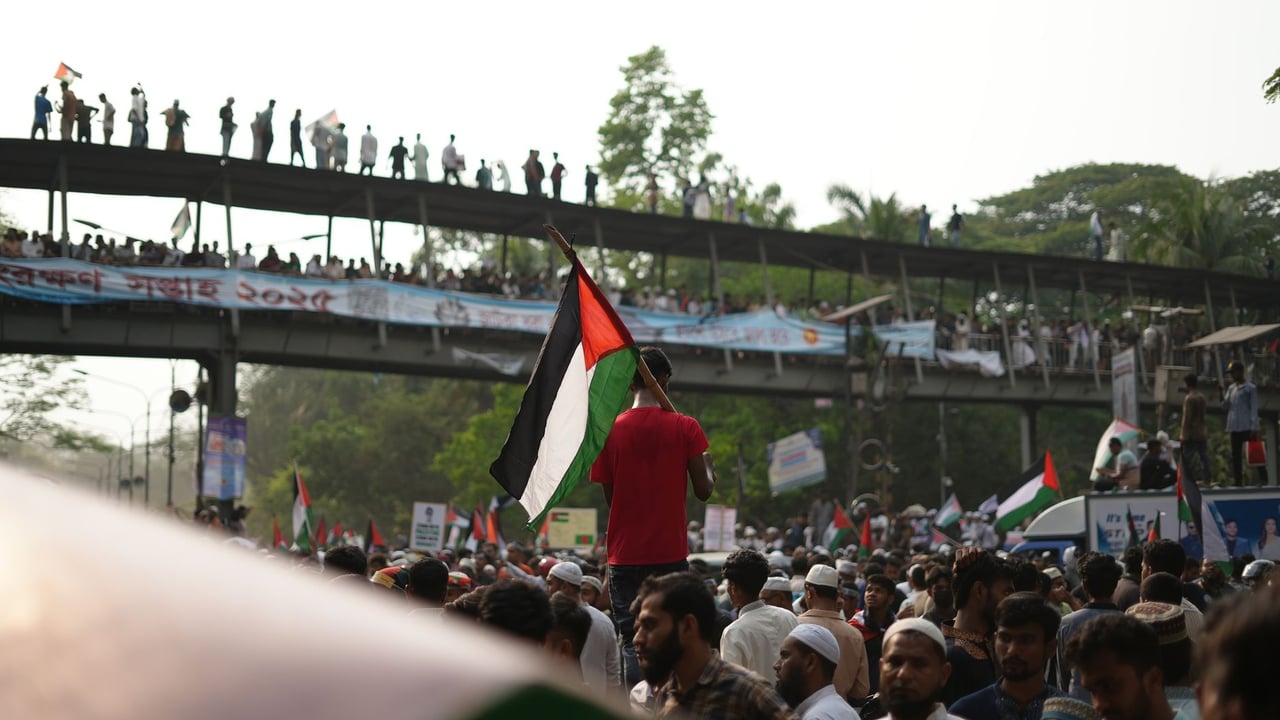
Massive public demonstration for Palestinian support in Dhaka, Bangladesh.

Key Takeaways

  • 1UN Secretary-General Guterres demands the immediate restoration of humanitarian access to the Gaza Strip.
  • 2Israel closed the critical Kerem Shalom and Rafah crossings on June 8 following an Iranian missile attack.
  • 3The UN emphasizes that aid must be predictable and uninterrupted to prevent a total collapse of local health and survival systems.
  • 4The border closures are framed as a direct response to the escalating direct conflict between Iran and Israel.

Editor's
Desk

Strategic Analysis

The decision by Israel to close all access to Gaza following direct Iranian missile strikes signals a shift in strategy where border control is being used as an immediate security buffer during regional escalation. This move complicates the humanitarian narrative, as it ties the fate of Gaza’s civilian population directly to the actions of Tehran, rather than just local militant groups. For the United Nations, this represents a recurring diplomatic nightmare: the erosion of the 'humanitarian space' concept, where aid is supposedly insulated from broader geopolitical warfare. As Israel prepares for potential further exchanges with Iran, Gaza is likely to remain under a total blockade, forcing the international community to find new ways to negotiate access in a landscape where traditional diplomatic levers are losing their efficacy.

China Daily Brief Editorial
Strategic Insight
China Daily Brief

The United Nations has issued a stark warning as the humanitarian situation in Gaza teeters on the edge of a new catastrophe. Secretary-General António Guterres, through his deputy spokesperson Farhan Haq, expressed profound concern over Israel's sudden decision to shutter the Kerem Shalom and Rafah border crossings. These transit points serve as the primary conduits for the food, fuel, and medical supplies necessary for the survival of the civilian population.

The closure follows a significant escalation in regional hostilities after Iran launched a missile barrage against Israeli targets on the night of June 7. In the immediate aftermath, Israeli authorities suspended all goods and personnel transit into the Gaza Strip until further notice, effectively sealing the enclave. This move underscores the precarious nature of humanitarian logistics in a region where strategic security shifts can instantly paralyze civilian relief efforts.

Guterres emphasized that the delivery of aid must remain "predictable, continuous, and uninterrupted" to address the immense needs of those in the strip. He urged all involved parties to adhere to their obligations under international law, ensuring that humanitarian actors can operate safely and efficiently. The UN’s appeal highlights a growing frustration among international observers who argue that civilian welfare should not be secondary to military retaliation.

The timing of the closure is particularly critical as Gaza’s health and infrastructure systems remain heavily dependent on external assistance. Without the immediate restoration of access, there are fears that the depletion of existing stockpiles will lead to a rapid spike in preventable deaths. As the direct confrontation between Israel and Iran enters a volatile new phase, the humanitarian cost of the conflict is once again taking center stage at the UN headquarters.

Share Article

Related Articles

📰
No related articles found