
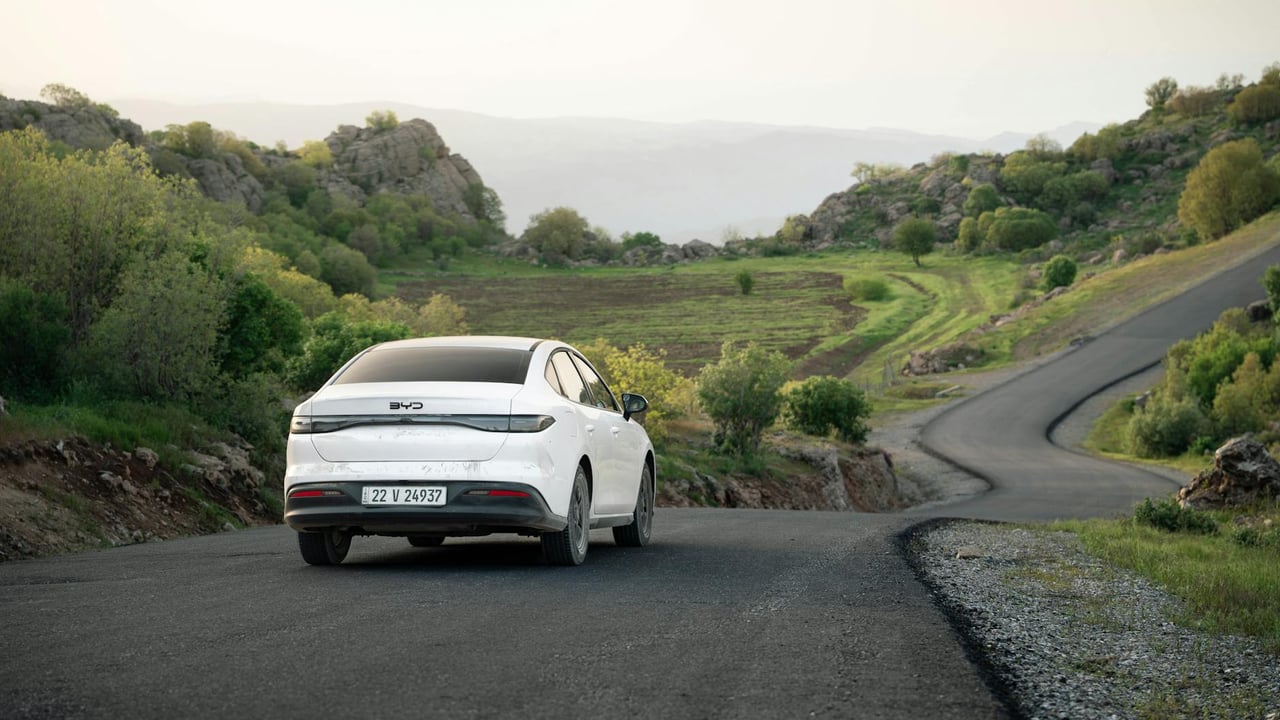

Wang Chuanfu, the understated chairman of BYD, has shed his characteristic reserve to issue a bold proclamation: by 2030, the Chinese electric vehicle giant aims to be the world’s largest automaker by sales volume. At a recent shareholders' meeting, Wang outlined a trajectory that would see the company leapfrog global titans like Toyota and Volkswagen, banking on a potent mix of domestic dominance and an aggressive pivot toward international manufacturing.
Despite a turbulent start to the year—tempered by the phasing out of purchase tax incentives that led to a pull-forward in demand—the company is seeing a sharp V-shaped recovery. In China, the world’s largest car market, the shift away from internal combustion engines has reached a fever pitch. New energy vehicle (NEV) penetration surged to nearly 63% in March, fueled by rising gasoline prices and the rapid maturation of domestic battery technology.
Central to BYD's climb up the global leaderboard is its second-generation 'Blade Battery' and a renewed focus on premiumization. Wang argues that as the industry moves past the era of marketing gimmicks, consumer loyalty will be won through safety and engineering excellence. By scaling its high-end sub-brands, BYD intends to resolve its historical margin pressures, proving that it can compete not just on price, but on prestige and technological sophistication.
However, the domestic market alone cannot sustain Wang’s 2030 ambitions. The company is currently executing a massive global footprint expansion, transitioning from a pure exporter to a localized manufacturer. With assembly lines already spinning up or planned in Brazil, Thailand, Indonesia, and Hungary, BYD is effectively building a 'fortress' strategy to bypass rising protectionist sentiments in the West.
As of current rankings, BYD sits firmly in the global top five, having delivered over 4.6 million vehicles. To reach the top spot within the next few years, the company must maintain its double-digit growth while navigating a complex geopolitical landscape. If Wang’s projections hold true, the company is poised to exceed its 2026 overseas sales target of 1.5 million units, cementing its status as the primary disruptor of the century-old automotive order.