
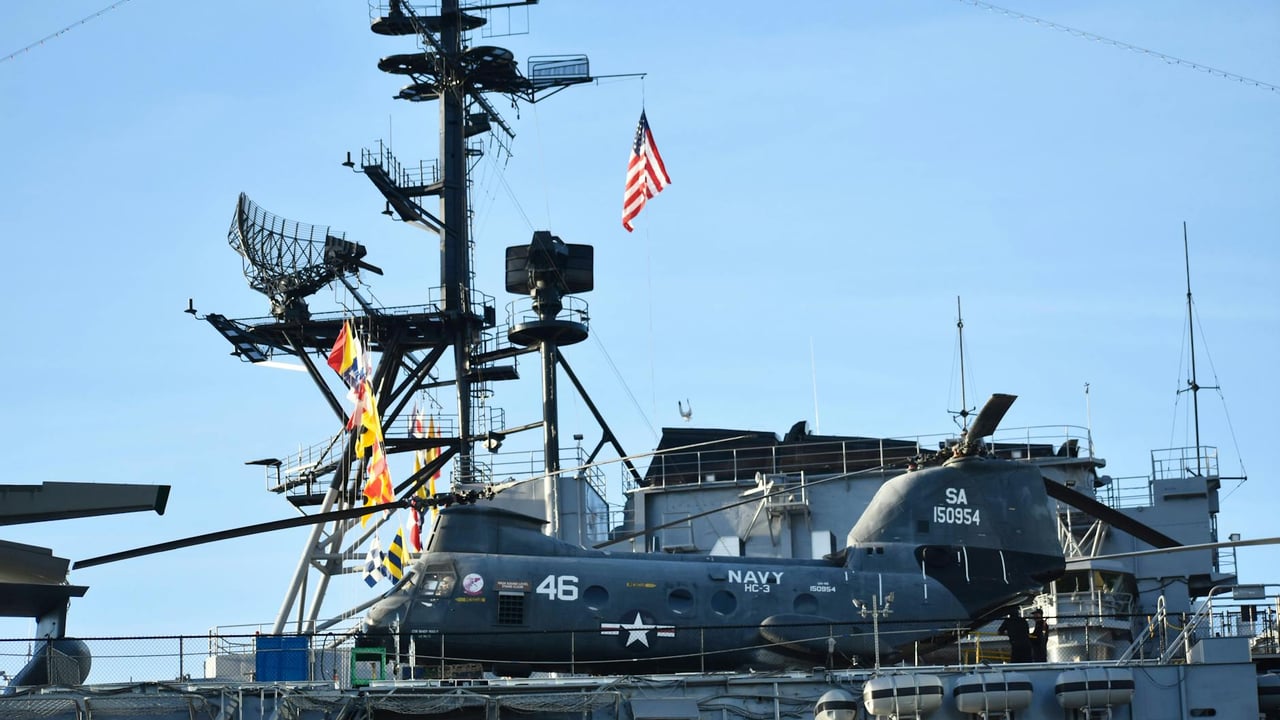

A fatal shooting aboard the future USS John F. Kennedy (CVN-79) has cast a somber shadow over the Newport News Shipbuilding facility in Virginia. Early in the morning on June 6, emergency responders were called to the second-in-class Ford-class supercarrier following a reported firearm discharge. One sailor was confirmed dead at the scene, marking a violent disruption in the final years of the vessel’s construction and outfitting.
Navy officials confirmed that another sailor was taken into custody shortly after the incident. While the investigation remains active and ongoing, no formal charges have yet been filed against the individual in detention. This event has raised immediate concerns regarding security protocols and the psychological pressures facing personnel assigned to ships in long-term construction and maintenance cycles.
The USS John F. Kennedy is currently a cornerstone of the Navy’s modernization effort, representing a multi-billion dollar investment in next-generation carrier aviation. The vessel, which is expected to be commissioned in March 2027, is currently undergoing rigorous testing of its electromagnetic catapults and advanced arresting gear. Such an incident on a high-security military asset suggests potential lapses in the monitoring of personal weapons or internal security measures within the shipyard environment.
This tragedy underscores the persistent human challenges that often accompany technological advancement in the military. Beyond the immediate loss of life, the Navy faces the daunting task of maintaining morale and discipline during the arduous 'pre-commissioning' phase of a ship’s life. As investigators piece together the motive behind the shooting, the incident will likely prompt a review of personnel reliability programs across the fleet’s new construction projects.