
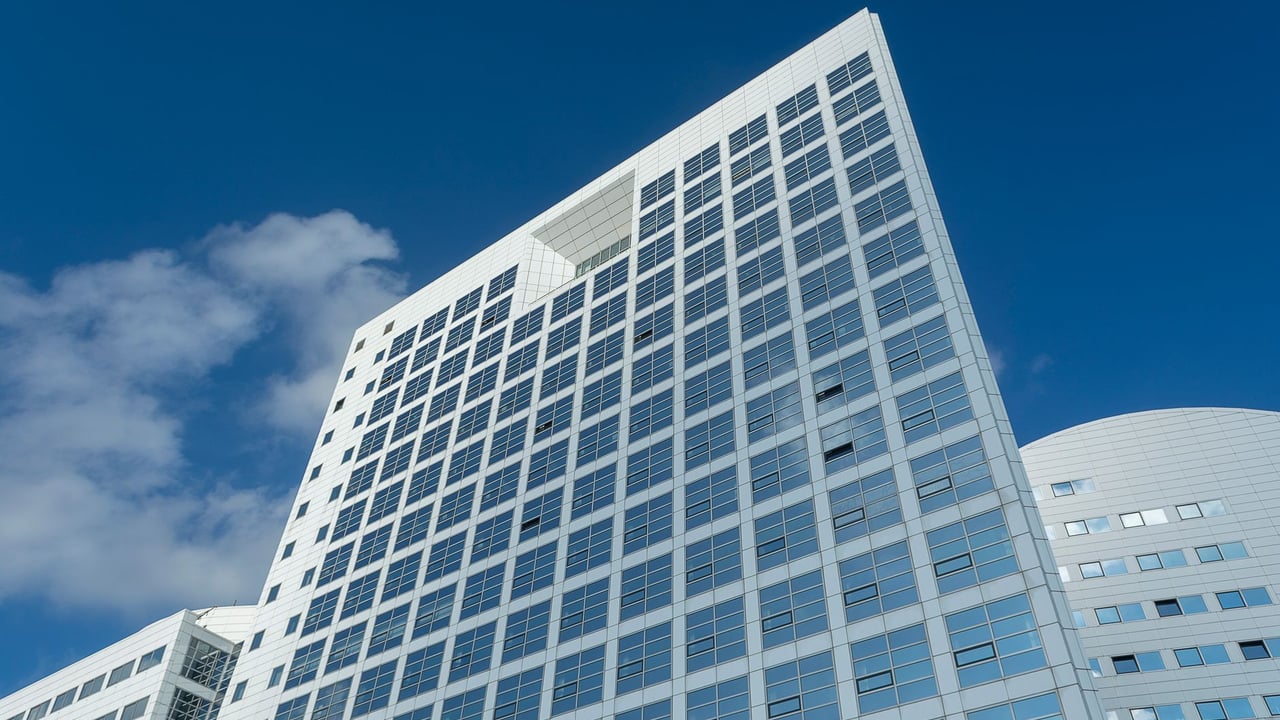

The International Criminal Court (ICC) has been plunged into an unprecedented institutional crisis following the late-night suspension of its Chief Prosecutor, Karim Khan. On June 8, the court’s oversight body sidelined the 56-year-old British lawyer amid escalating allegations of sexual misconduct. The move marks a stunning fall for a figure who, until recently, was the face of a bold new era of international accountability.
While the formal cause for suspension involves claims of harassment by a female assistant—charges Khan has vehemently denied for two years—the timing is inescapably political. Since May 2024, Khan has been the primary architect of a high-stakes legal campaign against senior Israeli officials, including Prime Minister Benjamin Netanyahu. This pursuit of arrest warrants drew fierce domestic and international backlash, most notably from the United States, which imposed sanctions on Khan in early 2025, citing the court's 'unlawful' focus on its allies.
Khan’s legal team has characterized the allegations as a coordinated 'smear campaign' orchestrated by powerful external intelligence and political entities. They argue that the misconduct claims are a strategic diversion designed to derail his investigations into alleged war crimes in Gaza. Despite these assertions of a frame-up, the Assembly of States Parties moved forward with the suspension based on reports from the UN Office of Internal Oversight Services.
The evidence remains a point of intense contention within the Hague. While a UN investigation reportedly found instances of 'non-consensual sexual contact' at Khan’s office and residence, a separate panel of three judges concluded that the findings were not sufficiently conclusive. This internal rift sets the stage for a dramatic showdown among the ICC’s 125 member states, who must now vote on whether to permanently remove the prosecutor who once sought to bring the world’s most powerful leaders to heel.